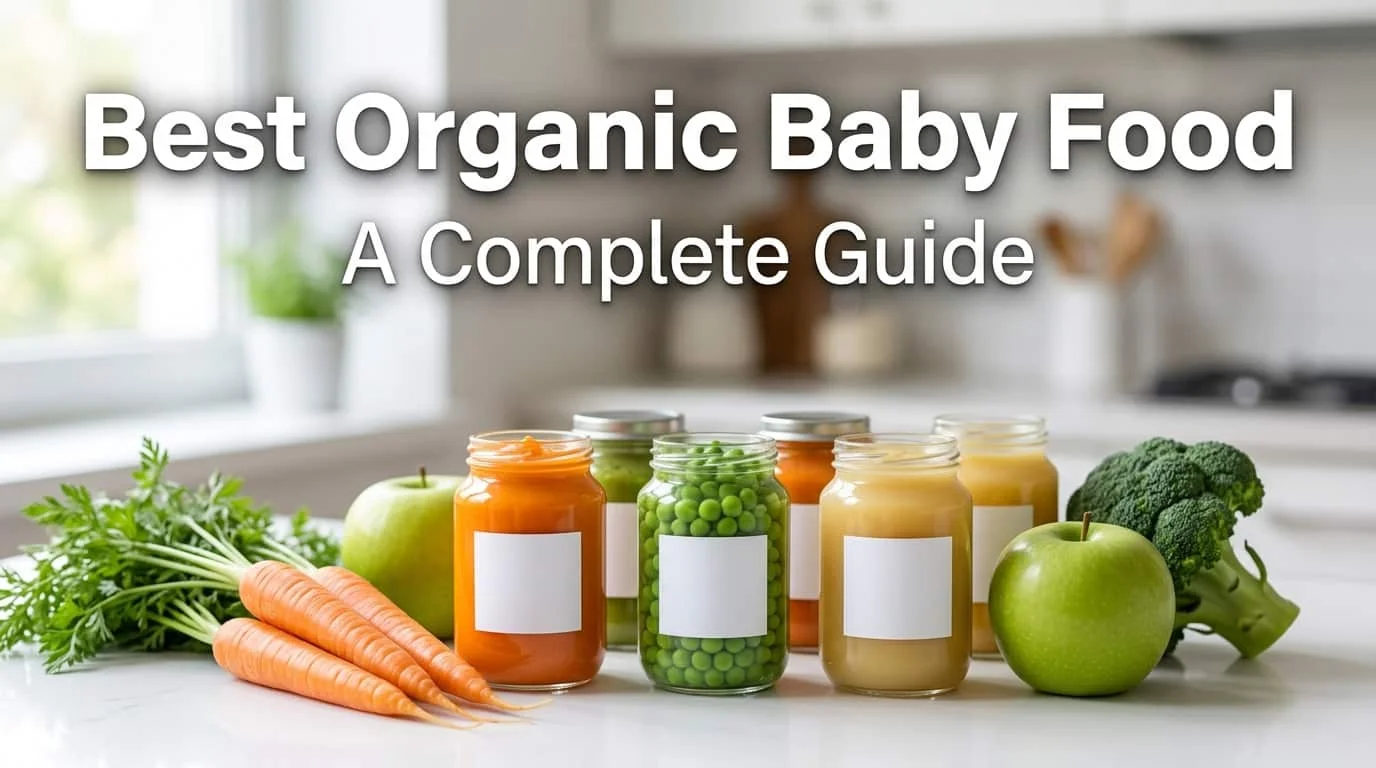
Every parent wants their child to have the best, especially when it comes to nutrition. Choosing Best organic baby food is one way to provide healthy, natural meals made with ingredients grown without synthetic pesticides, chemical fertilizers, or genetically modified organisms (GMOs). Organic baby food has become increasingly popular because many parents prefer foods made from high-quality ingredients and fewer artificial additives.
Whether you are introducing your baby to solid foods or looking for healthier meal options, organic baby food can be a great choice. This guide explains everything you need to know, including its benefits, popular ingredients, how to choose the best products, and simple homemade recipes.
Detoxification Weight Loss – Natural Detox Guide
What Is Organic Baby Food?
Best Organic baby food is food made from ingredients that are grown and processed according to organic farming standards. These foods are produced without synthetic pesticides, artificial preservatives, growth hormones, or genetically modified ingredients.
Organic baby food is available in various forms, including:
- Fruit purees
- Vegetable purees
- Baby cereals
- Yogurt
- Snack puffs
- Finger foods
- Ready-to-eat meals
- Homemade organic recipes
Many parents also prepare organic baby food at home using fresh fruits and vegetables.
Best Insulin Resistance Diet to Support Healthy
Why Choose Best Organic Baby Food?
Many families choose Best organic baby food because they want simple, natural ingredients for their growing child.
Fewer Synthetic Chemicals
Organic farming avoids the use of many synthetic pesticides and fertilizers, which reduces your baby’s exposure to these substances.
No Artificial Preservatives
Many organic baby foods avoid artificial colors, flavors, and preservatives.
High-Quality Ingredients
Organic products often use carefully selected fruits, vegetables, and grains.
Supports Healthy Eating Habits
Introducing babies to natural foods may help develop healthy eating habits early in life.
Environmentally Friendly
Organic farming practices often focus on protecting soil, water, and wildlife.
Ka’Chava Protein Powder You Need to Know Before Buying
When Can Babies Start Eating Organic Baby Food?
Most babies are ready for solid foods at around 6 months of age, although every child develops differently.
Signs your baby may be ready include:
- Sitting with little support
- Good head control
- Showing interest in food
- Opening the mouth when food is offered
- Losing the tongue-thrust reflex
Always consult your pediatrician if you are unsure when to introduce solid foods.
Weight Loss Pills – Healthy and Safe Weight Loss
Best Organic Baby Foods
Many nutritious foods are excellent first choices.
Organic Apples
Apples are rich in fiber and vitamin C. Cook and puree them until smooth for younger babies.
Organic Bananas
Bananas are naturally soft, easy to digest, and rich in potassium.
Organic Sweet Potatoes
Sweet potatoes provide vitamin A, fiber, and natural sweetness.
Organic Carrots
Carrots are rich in beta-carotene, which supports healthy vision.
Organic Avocados
Avocados contain healthy fats that support brain development.
Organic Pears
Pears are gentle on the stomach and easy to digest.
Organic Oatmeal
Organic oats provide fiber and iron for growing babies.
Organic Peas
Peas offer plant protein, fiber, and vitamins.
Organic Pumpkin
Pumpkin contains vitamin A and antioxidants.
Organic Yogurt
Plain organic yogurt provides calcium and probiotics for healthy digestion after your pediatrician approves dairy.
Homemade Best Organic Baby Food
Making baby food at home is simple and affordable.
Apple Puree
Steam peeled apples until soft, then blend until smooth.
Banana Mash
Mash a ripe organic banana with a fork until creamy.
Sweet Potato Puree
Boil or steam sweet potatoes and blend with a little water.
Carrot Puree
Steam carrots until tender and blend until smooth.
Avocado Mash
Mash ripe avocado without cooking for a quick and nutritious meal.
Store-Bought Best Organic Baby Food
If you are busy, store-bought organic baby food can be a convenient option.
Look for products that contain:
- Organic ingredients
- No added sugar
- No artificial flavors
- No artificial colors
- No unnecessary preservatives
- Age-appropriate textures
Always read the ingredient label before purchasing.
Best Weight Reduce Drink – Complete Guide
Nutrients Babies Need
Healthy baby food should provide important nutrients for growth.
Iron
Supports brain development and healthy blood.
Calcium
Helps build strong bones and teeth.
Healthy Fats
Important for brain and nervous system development.
Protein
Supports growth and muscle development.
Fiber
Promotes healthy digestion.
Vitamins and Minerals
Fruits and vegetables provide vitamins A, C, E, and many essential minerals.
Foods to Avoid
Some foods are not suitable for babies under one year.
Honey
Avoid honey until after 12 months because of the risk of infant botulism.
Added Sugar
Babies do not need added sugar in their diet.
Excess Salt
Too much salt is not healthy for babies’ developing kidneys.
Whole Nuts
Whole nuts can be a choking hazard.
Unpasteurized Foods
Avoid unpasteurized dairy products and juices.
Tips for Introducing Best Organic Baby Food
Introducing solids should be a gradual process.
Start Slowly
Offer one new food every few days to watch for allergies.
Keep Portions Small
Begin with one or two spoonfuls.
Watch for Allergies
Monitor for rashes, vomiting, diarrhea, or swelling after introducing new foods.
Encourage Variety
Offer different fruits, vegetables, grains, and proteins over time.
Be Patient
Some babies need to taste a new food several times before accepting it.
Organic Baby Food for Different Ages
6–8 Months
- Smooth purees
- Thin cereals
- Mashed fruits
- Soft vegetables
8–10 Months
- Thicker purees
- Soft finger foods
- Mashed beans
- Yogurt
10–12 Months
- Chopped soft fruits
- Cooked vegetables
- Soft pasta
- Scrambled eggs (if appropriate)
- Small pieces of cooked chicken
Benefits of Homemade Organic Baby Food
Homemade baby food offers several advantages.
- Fresh ingredients
- No unnecessary additives
- Lower cost
- More flavor variety
- Easy to customize
- Better portion control
How to Store Organic Baby Food
Proper storage keeps baby food fresh and safe.
Refrigeration
Store fresh homemade baby food in airtight containers for up to two days.
Freezing
Freeze purees in small portions using ice cube trays or freezer-safe containers.
Reheating
Heat only the portion you need and allow it to cool before serving. Never refreeze thawed baby food.
Common Myths About Organic Baby Food
Myth 1: Organic Baby Food Is Always More Nutritious
Organic foods may reduce exposure to certain synthetic chemicals, but both organic and conventional fruits and vegetables can provide valuable nutrients.
Myth 2: Homemade Is Always Better
Both homemade and high-quality store-bought organic baby food can be healthy choices.
Myth 3: Babies Need Special Foods Forever
As babies grow, they can gradually transition to healthy family meals with age-appropriate textures.
Tips for Buying Organic Baby Food
Choose products with:
- Certified organic labels
- Short ingredient lists
- No added sugar
- No artificial preservatives
- Age recommendations
- Good packaging and freshness
Compare labels before buying.
Conclusion
Organic baby food is a nutritious option for parents who want to provide simple, natural ingredients during their baby’s early years. Whether you prepare meals at home or buy trusted organic products, focus on offering a variety of fruits, vegetables, whole grains, healthy fats, and proteins that meet your baby’s nutritional needs.
Introduce new foods slowly, choose age-appropriate textures, and avoid added sugar, excess salt, and unsafe foods like honey before one year of age. Combined with guidance from your pediatrician, organic baby food can help support healthy growth, development, and lifelong eating habits.
Frequently Asked Questions (FAQs)
- What is organic baby food?
- Organic baby food is made from ingredients grown without synthetic pesticides, artificial fertilizers, or GMOs.
- Is organic baby food healthier than regular baby food?
- Organic baby food may reduce exposure to certain synthetic chemicals, while both organic and conventional options can provide good nutrition.
- When can babies start eating organic baby food?
- Most babies can start eating organic baby food at around 6 months of age after consulting a pediatrician.
- Can I make organic baby food at home?
- Yes, homemade organic baby food can be made using fresh organic fruits, vegetables, and other healthy ingredients.
- What are the best first organic foods for babies?
- Bananas, apples, sweet potatoes, avocados, carrots, pears, and oatmeal are excellent first foods.
- Does organic baby food contain preservatives?
- Many organic baby foods are made without artificial preservatives, colors, or flavors.
- Is organic baby food worth buying?
- Many parents choose organic baby food for its natural ingredients and environmentally friendly farming practices.
Best Free Artificial Intelligence Tools | 100% Free Tools