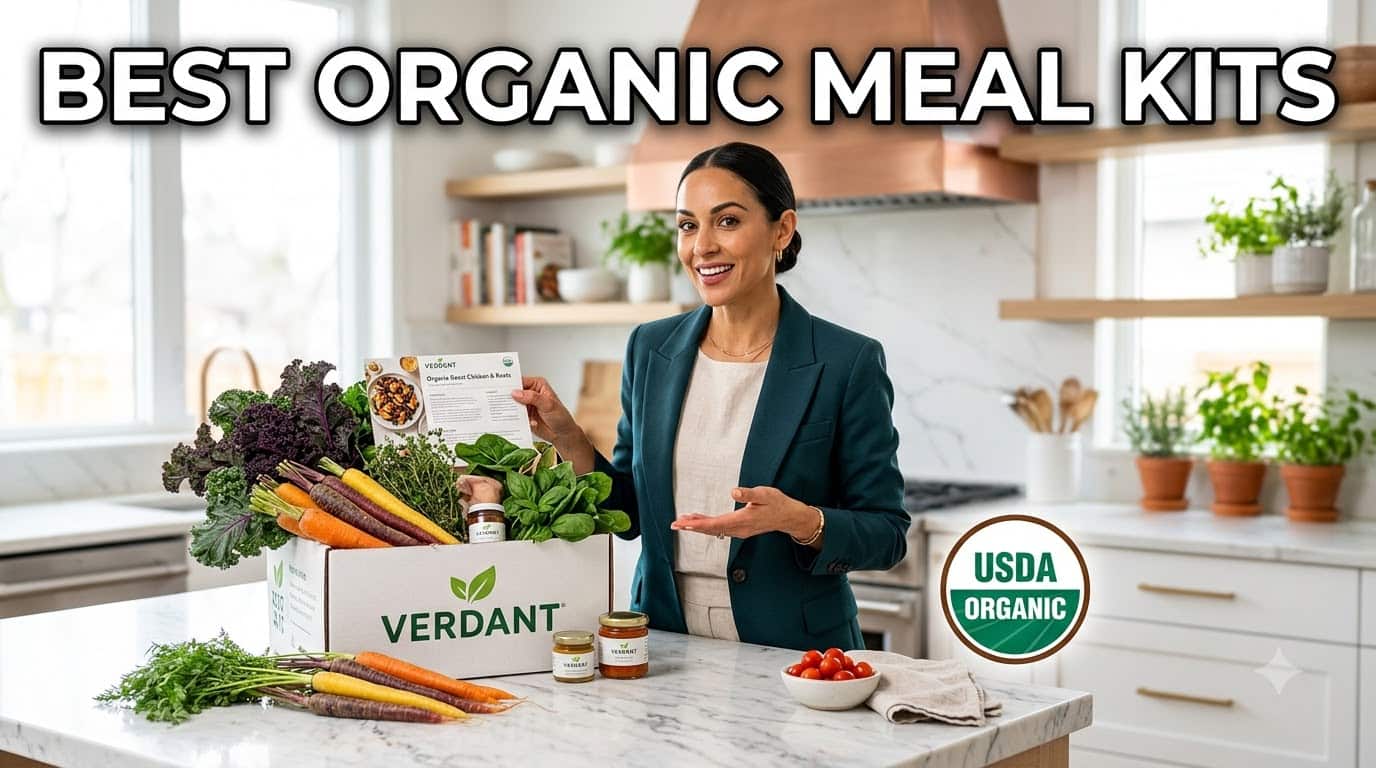
Following a vegan diet can be rewarding, but preparing balanced meals every day can take time. Planning recipes, buying fresh ingredients, cooking, and cleaning up can become difficult when you have a busy schedule. This is where vegan diet meal delivery services can make everyday eating more convenient.
Vegan meal delivery services bring ready-to-cook meals, prepared meals, or meal kits directly to your home. Depending on the service, you may receive everything from simple vegetable dishes to complete meals made with beans, lentils, tofu, whole grains, vegetables, fruits, nuts, and seeds.
However, choosing a meal delivery service should involve more than simply looking for the word “vegan” on a menu. A healthy vegan eating pattern needs variety and enough important nutrients. The best option is one that fits your lifestyle while also helping you build balanced meals.
This guide explains how vegan diet meal delivery works, what to look for when choosing a service, how to evaluate nutrition, common mistakes to avoid, and practical tips for getting better value from your meals.
What Is Vegan Diet Meal Delivery?
Vegan diet meal delivery is a food delivery service designed for people who avoid animal-derived foods.
A typical vegan meal plan does not contain:
- Meat
- Chicken
- Fish
- Eggs
- Milk
- Cheese
- Butter
- Yogurt made from dairy
- Other animal-derived ingredients
Instead, vegan meals may use foods such as beans, lentils, chickpeas, tofu, tempeh, vegetables, fruits, whole grains, nuts, seeds, and plant-based dairy alternatives.
Different companies offer different formats. Some deliver fully prepared meals that only need heating. Others provide ingredients and recipes so you can cook the meal yourself.
Common Types of Vegan Meal Delivery
There are several types of services to consider.
Prepared vegan meals: These arrive already cooked and usually require reheating. They can be useful for people who have very little time to prepare food.
Vegan meal kits: These usually include measured ingredients and cooking instructions. They require more preparation but can be a good choice if you enjoy cooking.
Plant-based grocery boxes: Some services focus on delivering ingredients rather than complete meals. This gives you more control over recipes and portions.
Specialized vegan plans: Some services offer menus designed around specific preferences, such as high-protein plant-based meals or gluten-free vegan options.
Understanding these differences can help you choose a service that matches your schedule.
Ikaria Lean Belly Juice for Weight Loss – What to Know
Why Consider Vegan Meal Delivery?
Cooking at home gives you complete control over ingredients, but it is not always practical. Meal delivery can help reduce some of the work involved in planning and preparing food.
Convenience
One of the biggest advantages is convenience.
Instead of deciding what to cook every evening, you can select meals ahead of time. Depending on the service, ingredients or prepared meals are delivered to your home.
This can be especially useful during busy workweeks.
Less Meal Planning
Meal planning can become tiring when you have to think about breakfast, lunch, dinner, snacks, shopping lists, and recipes.
A vegan meal delivery plan can simplify this process.
You still need to review the menu, but much of the planning is already done for you.
More Variety
Eating the same few meals repeatedly can become boring.
Meal delivery services may introduce you to different ingredients and recipes. For example, one week might include a lentil curry, while another meal could use tofu, black beans, quinoa, or chickpeas.
Trying different meals can make a plant-based diet feel more interesting.
Helpful for Beginners
People who are new to vegan eating may not know how to create balanced meals.
A meal delivery service can provide ideas for combining plant-based protein sources, vegetables, grains, and other ingredients.
It should not replace learning about nutrition, but it can make the transition easier.
How to Choose a Healthy Vegan Diet Meal Delivery Service
Not every vegan meal delivery plan will suit every person.
Before subscribing, look beyond attractive food photos and consider the ingredients, nutrition information, portion sizes, cost, and flexibility.
Check the Ingredients
Start with the ingredient list.
Look for meals built around recognizable foods such as:
- Beans
- Lentils
- Chickpeas
- Tofu
- Tempeh
- Vegetables
- Whole grains
- Nuts
- Seeds
- Fruits
A vegan label does not automatically mean a meal is highly nutritious.
Some vegan foods can still contain significant amounts of added sugar, sodium, or saturated fat. Reading the ingredient list helps you understand what you are actually eating.
Look for Plant-Based Protein
Protein is an important part of a balanced diet.
Vegan meals can provide protein through beans, lentils, peas, chickpeas, tofu, tempeh, soy foods, nuts, seeds, and other plant foods.
When selecting meals, try to choose options that include a meaningful plant-based protein source rather than meals made mostly from refined carbohydrates.
For example, a bowl containing brown rice, vegetables, chickpeas, and tofu is generally more substantial than a meal consisting mainly of white rice and a small amount of vegetables.
Consider Fiber
Many plant foods naturally provide dietary fiber.
Beans, lentils, vegetables, fruits, whole grains, nuts, and seeds can all contribute to fiber intake.
If you are increasing your fiber intake, do it gradually and drink enough fluids. A sudden major increase may cause digestive discomfort for some people.
Pay Attention to Sodium
Prepared meals and packaged foods can sometimes contain considerable amounts of sodium.
If you eat several delivered meals during the week, checking sodium information can help you make better choices.
You do not necessarily need to avoid every meal containing salt. Instead, compare options and consider your overall diet.
If a particular medical condition requires sodium restriction, follow the advice of your healthcare professional.
Check Portion Sizes
A meal can look healthy while still not being satisfying enough for your individual needs.
Consider your appetite, activity level, and overall eating pattern.
Some people may be satisfied with a smaller prepared meal, while others may need to add fruit, vegetables, beans, whole grains, or another food.
Avoid assuming that the package size is automatically the perfect portion for you.
Nutrition Counseling for Weight Loss
Important Nutrients on a Vegan Diet
A well-planned vegan diet can include a wide range of nutritious foods, but certain nutrients deserve particular attention.
Vitamin B12
Vitamin B12 is especially important because reliable natural sources are limited in vegan foods.
People following a vegan diet should pay attention to fortified foods and appropriate B12 supplementation.
If you are unsure about your B12 intake, discuss your needs with a qualified healthcare professional.
Iron
Plant foods can provide iron through foods such as lentils, beans, tofu, peas, seeds, and some fortified foods.
Eating a variety of foods is useful because nutritional needs are rarely met by one ingredient alone.
Calcium
Calcium can come from fortified plant-based beverages and other fortified foods, as well as certain plant foods.
When choosing a vegan meal plan, consider whether your overall diet includes regular calcium sources.
Omega-3 Fats
Flaxseeds, chia seeds, walnuts, and some other plant foods contain omega-3 fats.
Some people may also consider algae-based omega-3 supplements. Whether supplementation is appropriate depends on individual needs.
Protein
Protein does not have to come from meat or dairy.
Beans, lentils, tofu, tempeh, chickpeas, peas, nuts, seeds, and soy products can all contribute protein to a vegan eating pattern.
Try to include a protein-rich food in your main meals.
Best Shakeology Shakes Complete Nutrition Guide
Vegan Meal Delivery and Weight Management
Some people search for vegan meal delivery because they want to manage their weight.
A vegan meal is not automatically a weight-loss meal.
Weight management depends on many factors, including overall calorie intake, food choices, physical activity, sleep, appetite, and individual health circumstances.
A meal delivery service can help with organization and portion awareness, but it should not be treated as a guaranteed weight-loss solution.
Build Filling Meals
If you want meals that keep you satisfied, focus on a combination of:
- Vegetables
- Plant-based protein
- High-fiber carbohydrates
- Healthy sources of fat
For example, a meal containing lentils, vegetables, quinoa, and a small amount of seeds can be more satisfying than a meal based mainly on refined carbohydrates.
If you are trying to lose weight, avoid extreme restriction. A sustainable eating pattern is usually easier to maintain than a very restrictive diet.
For additional nutrition and weight-management information, you can also explore relevant resources on Helping99.com and its articles about healthy eating.
Prepared Meals vs. Vegan Meal Kits
Choosing between prepared meals and meal kits depends largely on your lifestyle.
Prepared Meals
Prepared meals are convenient because most of the cooking has already been done.
They can be useful if:
- You have limited cooking time
- You live alone
- You want simple weekday meals
- You do not enjoy meal preparation
The downside is that prepared meals may offer less control over ingredients and portions.
Meal Kits
Meal kits require more work but give you greater control over preparation.
They may be better if:
- You enjoy cooking
- You want to learn new recipes
- You want fresh ingredients
- You prefer adjusting portions yourself
The downside is that you still need to cook and clean afterward.
Detoxification Weight Loss – Natural Detox Guide
How to Save Money on Vegan Meal Delivery
Meal delivery can cost more than buying basic ingredients and cooking from scratch.
However, there are ways to make the service more practical.
Compare the Cost Per Meal
Do not look only at the advertised subscription price.
Consider delivery fees, taxes, minimum orders, and the actual number of meals you receive.
Calculate the approximate cost per serving before subscribing.
Choose Meals You Will Actually Eat
A cheap meal is not good value if it ends up sitting in the refrigerator.
Choose meals that match your preferences.
If you dislike certain ingredients, check whether the service allows substitutions.
Combine Delivery With Home Cooking
You do not necessarily have to order every meal.
For example, you might use delivered meals on busy weekdays and prepare simple meals at home on other days.
Beans, lentils, rice, oats, vegetables, potatoes, and seasonal fruits can form the foundation of many affordable vegan meals.
Questions to Ask Before Subscribing
Before placing your first order, check the following:
Is the food completely vegan?
Check the company’s ingredient and allergen information. If avoiding all animal-derived ingredients is important to you, verify the meal preparation details as well.
Can I choose my meals?
Some services provide complete flexibility, while others offer a limited selection. A customizable menu can make it easier to maintain the plan.
Are allergens clearly listed?
This is particularly important for people with food allergies or intolerances. Vegan does not automatically mean free from nuts, soy, gluten, or other allergens.
Can I skip a delivery?
Flexible subscriptions are useful if your schedule changes. Check the cancellation, pause, and skip policies before ordering.
How are meals packaged?
Consider refrigeration requirements, packaging materials, and how quickly the food needs to be consumed after delivery.
Does the service provide nutrition information?
Nutrition information can make it easier to compare meals and build a balanced eating pattern.
Best Insulin Resistance Diet to Support Healthy
Common Mistakes to Avoid
Vegan meal delivery can be convenient, but there are some common mistakes worth avoiding.
Assuming Vegan Means Healthy
This is one of the biggest misconceptions.
Cookies, chips, sugary drinks, desserts, and heavily processed foods can all be vegan.
A healthy vegan diet should include a variety of nutrient-rich foods.
Eating Too Few Protein Foods
Some new vegans focus heavily on salads, fruits, and vegetables but forget about protein.
Include beans, lentils, tofu, tempeh, peas, chickpeas, or other plant-based protein sources regularly.
Relying Only on Processed Meat Alternatives
Plant-based burgers, sausages, nuggets, and other alternatives can be convenient.
They can fit into a vegan diet, but they do not need to be the foundation of every meal.
Use a variety of whole and minimally processed plant foods as well.
Ignoring Individual Nutrition Needs
Everyone’s nutritional needs are different.
Age, activity level, pregnancy, medications, health conditions, food allergies, and other factors can affect dietary requirements.
If you have a medical condition or special nutritional needs, speak with a registered dietitian or healthcare professional before making major dietary changes.
Tips for Getting More From Your Vegan Meal Delivery
Once you choose a service, a few simple habits can make it more useful.
Add Fresh Foods When Needed
A delivered meal does not have to provide everything you eat.
You can add fresh fruit, a simple salad, vegetables, or another suitable food to improve variety.
Keep Basic Vegan Foods at Home
Keep a few simple staples available for days when you do not have a delivered meal.
Useful options include:
- Oats
- Brown or white rice
- Beans
- Lentils
- Canned chickpeas
- Peanut butter
- Nuts and seeds
- Frozen vegetables
- Fresh fruit
- Whole-grain bread
These foods can also help prevent unnecessary takeout orders.
Review Your Meals Weekly
Take a few minutes each week to look at what you have been eating.
Are you getting enough variety?
Are most meals based on whole plant foods?
Are you including protein?
Are you eating enough vegetables and fruit?
A simple weekly review can help you identify gaps without making your diet unnecessarily complicated.
Weight Loss Pills – Healthy and Safe Weight Loss
Myths About Vegan Meal Delivery
Myth 1: Every Vegan Meal Is Healthy
Not necessarily.
Vegan describes what a food does not contain, particularly animal-derived ingredients. It does not automatically describe the nutritional quality of the food.
Myth 2: Vegan Meals Cannot Provide Enough Protein
This is also incorrect.
A variety of plant foods can contribute protein. Beans, lentils, tofu, tempeh, peas, chickpeas, nuts, seeds, and other foods can all be part of a protein-rich vegan eating pattern.
Myth 3: Vegan Meal Delivery Is Always Expensive
Prices vary widely.
Prepared meals and meal kits can cost more than cooking entirely from basic ingredients, but combining delivery with home cooking can reduce the overall cost.
Myth 4: Vegan Food Is Always Good for Weight Loss
A vegan diet is not automatically a weight-loss diet.
Portion sizes, food choices, total energy intake, activity, and individual circumstances still matter.
Is Vegan Diet Meal Delivery Right for You?
Vegan diet meal delivery may be a good option if you want to eat more plant-based meals but struggle with planning and cooking.
It can save time, introduce new recipes, and make weekday meals easier.
However, it is not necessary for following a healthy vegan diet. You can also build balanced meals at home using affordable foods such as beans, lentils, grains, vegetables, fruits, nuts, and seeds.
The best choice is the one that fits your budget, schedule, taste preferences, and nutritional needs.
Conclusion
Vegan diet meal delivery can make plant-based eating much easier for people with busy schedules. Instead of spending every evening planning recipes and preparing ingredients, you can have meals or meal kits ready for the week.
The key is to look beyond the vegan label. Choose meals that offer variety and include plant-based protein, vegetables, whole grains, healthy fats, and other nutrient-rich foods. Check ingredients, nutrition information, portion sizes, allergens, delivery policies, and total costs before subscribing.
Meal delivery should be a tool that supports your eating habits, not a replacement for understanding nutrition. Whether you choose prepared meals, meal kits, or simple home cooking, a varied and balanced vegan eating pattern can help you enjoy plant-based foods without making everyday meals unnecessarily complicated.
Frequently Asked Questions
What is vegan diet meal delivery?
Vegan diet meal delivery is a service that provides meals or meal kits made without animal-derived ingredients. Depending on the company, meals may arrive fully prepared or with ingredients that you cook at home.
Are vegan meal delivery services healthy?
They can be, but it depends on the meals. Look for options containing vegetables, legumes, whole grains, nuts, seeds, and other nutrient-rich foods. Check sodium, added sugars, saturated fat, protein, and portion information when available.
Can vegan meal delivery help with weight loss?
It may make meal planning easier, but vegan food does not automatically cause weight loss. Weight management depends on overall eating patterns and individual factors. Avoid choosing a service solely because it advertises weight loss.
Do vegan meals contain enough protein?
They can. Foods such as lentils, beans, chickpeas, tofu, tempeh, peas, nuts, and seeds can provide protein. Try to include a plant-based protein source in your main meals.
Is vegan meal delivery suitable for beginners?
Yes. It can be convenient for people who are learning how to prepare plant-based meals. However, it is still useful to understand basic vegan nutrition so you can make informed food choices.
Are vegan meal delivery services suitable for people with food allergies?
Some may offer allergen information or specialized menus, but vegan does not mean allergen-free. Always check the ingredient list and preparation information if you have a food allergy.
How can I make vegan meal delivery more affordable?
Compare the cost per meal, check delivery charges, avoid ordering more food than you need, and combine delivered meals with inexpensive home-cooked foods such as beans, lentils, rice, oats, and seasonal vegetables.
Do I need supplements on a vegan diet?
Some nutrients, particularly vitamin B12, require careful attention when following a vegan diet. Supplement needs vary from person to person, so consider discussing your diet with a qualified healthcare professional or registered dietitian.
Best Free Artificial Intelligence Tools | 100% Free Tools