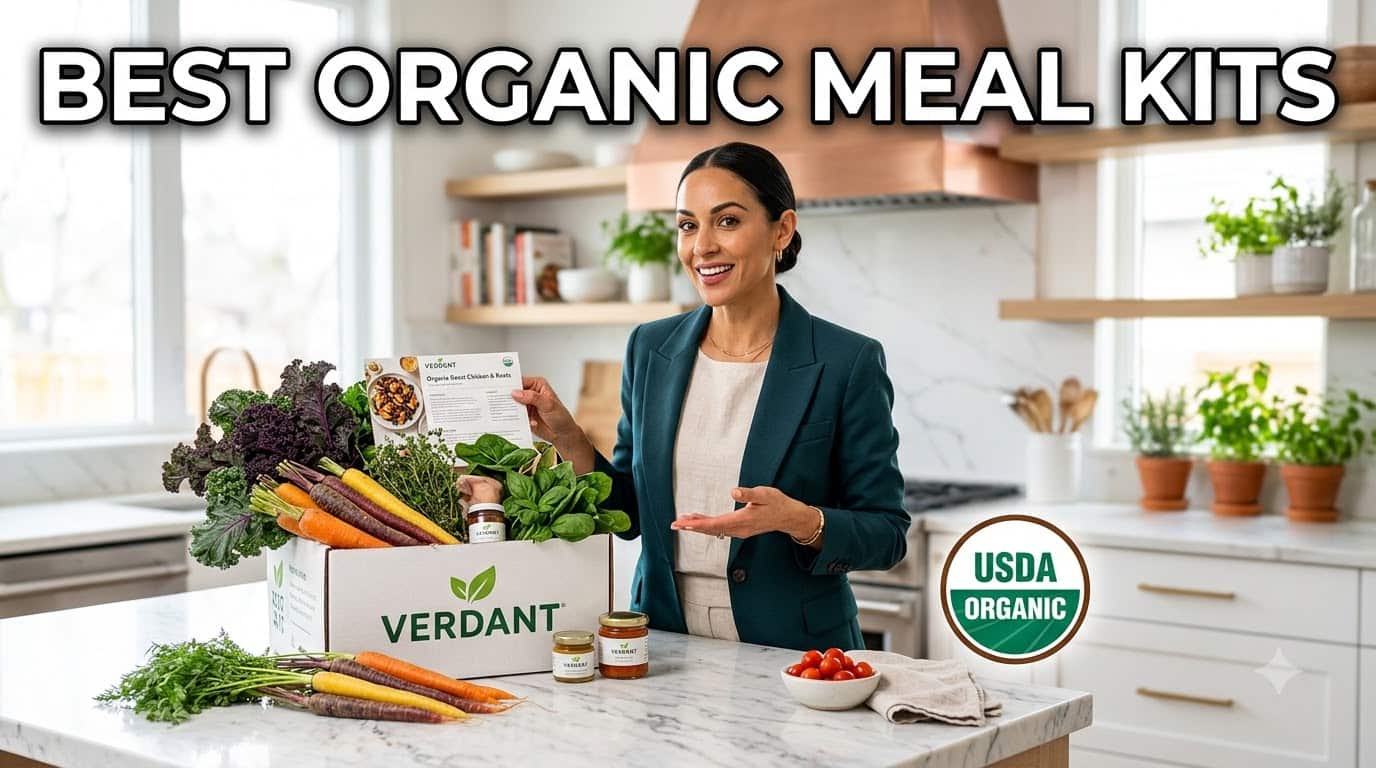
Cooking at home can be rewarding, but planning meals, making grocery lists, shopping, measuring ingredients, and finding time to cook can become difficult during a busy week. Organic meal kit delivery services are designed to make this process easier by delivering ingredients and recipes directly to your home.
For people who prefer organic foods, meal kits can offer a convenient way to cook meals without buying every ingredient separately. Depending on the service, a box may contain pre-portioned ingredients, recipe cards, sauces, seasonings, and other items needed to prepare selected meals.
However, choosing an organic meal kit is not as simple as looking for the word “organic” on a website. Different companies use different approaches. Some focus heavily on certified organic ingredients, while others offer a mixture of organic and conventional ingredients.
It is also important to remember that an organic meal is not automatically a healthy meal. A recipe can use organic ingredients and still be high in sodium, saturated fat, calories, or added sugar. The best choice depends on your dietary needs, budget, cooking habits, and preferences.
This guide explains how organic meal kit delivery services work, what to look for before ordering, their potential benefits and drawbacks, and how to choose a service that fits your lifestyle.
Best Shakeology Shakes Complete Nutrition Guide
What Are Organic Meal Kit Delivery Services?
Organic meal kit delivery services send ingredients and recipes to your home so you can prepare meals yourself.
Instead of purchasing every ingredient at a grocery store, you select meals from a weekly menu. The company then packages the ingredients and ships them to you according to your delivery schedule.
A typical meal kit may include:
- Vegetables
- Fruits or other fresh ingredients
- Grains or starches
- Meat, poultry, seafood, or plant-based proteins
- Sauces
- Herbs and spices
- Recipe instructions
- Pre-portioned ingredients
The exact contents depend on the company and meal you choose.
Some services focus specifically on organic ingredients, while others have organic options within a larger menu.
Before subscribing, it is worth checking exactly what the company means by “organic.”
What Does Organic Mean?
The word “organic” has a specific meaning under USDA regulations in the United States.
USDA organic standards cover how agricultural products are produced and handled. Certified organic products must meet applicable requirements and be overseen through the organic certification system.
For packaged products, the USDA has different labeling categories.
For example, a product labeled simply “organic” generally must contain at least 95% certified organic ingredients, while “made with organic” has a different requirement and cannot use the USDA organic seal.
This distinction is useful when comparing meal kit companies.
A company may advertise organic produce while using conventional ingredients in other parts of a recipe. That does not necessarily make the service a poor choice, but shoppers should understand what they are paying for.
Best Organic Baby Food – A Complete Guide to Healthy
Why Do People Choose Organic Meal Kits?
People choose organic meal kits for different reasons.
Some want to cook at home more often. Others like the convenience of having ingredients delivered. Some prefer organic produce or meat because organic production practices match their personal preferences.
Common reasons include:
- Less grocery shopping
- Pre-portioned ingredients
- Recipe ideas
- Convenience
- Interest in organic foods
- Easier weekly meal planning
- Trying new recipes
- Reducing the effort involved in cooking
The most important benefit is often convenience.
When the ingredients are already selected and delivered, preparing dinner can feel much easier than starting with an empty refrigerator.
Benefits of Organic Meal Kit Delivery Services
Convenient Meal Planning
One of the hardest parts of cooking regularly is deciding what to make.
Meal kits remove much of that decision-making.
Instead of spending time searching for recipes and building a shopping list, you can select meals from a menu.
This can be particularly useful for people who have busy work schedules or families with limited time for meal planning.
Pre-Portioned Ingredients
Many meal kits provide ingredients in quantities intended for the selected recipes.
This can make cooking easier because you do not have to estimate how much of every ingredient you need.
For example, a recipe may provide the exact amount of a sauce ingredient or spice needed for that meal.
However, portion sizes vary between companies, so it is still important to check the recipe and nutrition information.
Less Grocery Shopping
Meal delivery can reduce the number of grocery-store trips needed for planned dinners.
You may still need to purchase breakfast foods, snacks, beverages, household products, and other groceries, but having dinner ingredients delivered can simplify part of your routine.
Exposure to New Recipes
Meal kits can introduce you to ingredients or cooking methods you might not normally use.
A recipe card can also provide a starting point for learning how to prepare a particular dish.
After making a recipe several times, you may decide to buy the ingredients yourself and create your own version.
Easier Cooking for Beginners
People who are not confident in the kitchen may find meal kits useful because recipes are usually presented in a step-by-step format.
Instead of wondering how much of each ingredient to buy, the kit provides the ingredients needed for the selected meal.
This can make cooking feel more approachable.
Detoxification Weight Loss – Natural Detox Guide
Are Organic Meal Kits Healthier?
Not necessarily.
This is an important misconception to understand.
Organic certification relates to production and handling standards. It does not mean that every organic food is automatically more nutritious or that every organic meal is healthier than a conventional meal. USDA organic rules focus on how products are produced, handled, and labeled.
For example, an organic meal could contain:
- A large amount of sodium
- A rich sauce
- Refined grains
- Added sugars
- High amounts of saturated fat
At the same time, a conventional meal can contain plenty of vegetables, lean protein, whole grains, and other nutritious ingredients.
When choosing a meal kit, look at the whole recipe, not just the organic label.
Best Insulin Resistance Diet to Support Healthy
How to Choose the Best Organic Meal Kit
There is no single best service for everyone.
Instead, compare services based on the things that matter to you.
Check the Organic Certification
If organic certification is important to you, find out exactly what the company means by organic.
Look for clear information about:
- Which ingredients are certified organic
- Whether the company uses a certification program
- Whether all ingredients are organic
- Whether only certain ingredients are organic
- How organic claims are displayed
Do not assume that a service is entirely organic simply because it uses “organic” prominently in its marketing.
Review the Weekly Menu
Look at the menu before signing up.
A service may be certified organic but still have few meals that match your food preferences.
Check whether the menu includes options such as:
- Vegetarian
- Plant-based
- High-protein
- Family-friendly
- Lower-calorie
- Gluten-free, where appropriately handled
- Other dietary preferences
Dietary labels can differ between companies, so read the actual ingredients and allergen information.
Look at Nutrition Information
If nutrition is important to you, review the nutrition information for individual meals.
Pay attention to:
- Calories
- Protein
- Carbohydrates
- Fiber
- Total fat
- Saturated fat
- Sodium
- Added sugar
A meal kit can be organic and still have a nutrition profile that does not suit your needs.
Check Serving Sizes
Do not compare prices without considering serving size.
One company may price a meal differently from another because of differences in portion size, ingredients, or plan structure.
Think about how many people you are feeding and whether the serving will realistically satisfy them.
Consider Preparation Time
Some recipes can be prepared quickly, while others require chopping, multiple cooking steps, or several pans.
If you want meal kits because you are short on time, choose recipes that match your actual schedule.
A complicated recipe may not be useful on a busy weekday.
Ka’Chava Protein Powder You Need to Know Before Buying
Organic Meal Kits vs. Grocery Shopping
The main advantage of a meal kit is convenience.
When grocery shopping, you have more control over:
- Brands
- Ingredients
- Portion sizes
- Prices
- Organic choices
- Recipe substitutions
You can also buy ingredients in quantities that work for your household.
Meal kits, on the other hand, reduce some of the planning work.
The trade-off is that you may pay more for the convenience of recipe development, portioning, packaging, and delivery.
The better option depends on your priorities.
If you enjoy shopping and cooking from scratch, regular groceries may work better.
If planning dinner is the part you dislike most, a meal kit may be worth considering.
Organic Meal Kits and Meal Planning
Meal kits can make weekly meal planning easier because you already know what dinners are coming.
For example, you might select four meals for the week:
Monday: Organic chicken and vegetable bowl
Tuesday: Vegetable pasta
Wednesday: Fish with roasted vegetables
Thursday: Bean and grain bowl
You can then plan breakfast, lunch, snacks, and other groceries around those meals.
This is particularly useful if you are trying to establish a more consistent eating routine.
For more general healthy eating ideas, you can also explore relevant nutrition and meal-planning content on Helping99.com.
Organic Meal Kits for Families
Families can benefit from meal kits, but choosing meals that everyone will eat can be challenging.
Start with familiar recipes.
For example:
- Chicken and rice
- Pasta with vegetables
- Tacos
- Homemade burgers
- Vegetable stir-fry
- Baked fish and potatoes
You can gradually introduce new ingredients rather than choosing several unfamiliar meals at once.
If children are eating the meals, check ingredients and portion sizes according to their age and nutritional needs.
Meal kits should not replace advice from a pediatrician or dietitian when a child has a specific medical or nutritional requirement.
Weight Loss Pills – Healthy and Safe Weight Loss
Organic Meal Kits for Vegetarians
Vegetarian meal kits can provide convenient ways to prepare meat-free meals.
Look for recipes built around foods such as:
- Beans
- Lentils
- Tofu
- Vegetables
- Whole grains
- Eggs
- Dairy products, if included in your diet
If you follow a vegetarian diet, check whether the service has enough suitable meals each week.
If you follow a vegan diet, make sure the company clearly identifies vegan recipes and check the ingredients yourself.
Organic Meal Kits and Weight Management
Meal kits can be useful for people who want more structure around meals, but an organic meal kit is not automatically a weight-loss product.
Weight management depends on many factors, including overall food intake, physical activity, sleep, medications, health conditions, and individual circumstances.
If weight management is one of your goals, look at the nutritional information and serving sizes rather than choosing a meal simply because it is labeled organic.
A practical meal may contain vegetables, an appropriate protein source, whole or minimally processed carbohydrates, and a reasonable amount of fat.
Avoid assuming that “organic” means “low calorie.”
Organic Meal Kits and Special Diets
People with food allergies or medical dietary restrictions need to be especially careful.
A menu label such as “gluten-friendly” or “dairy-free” may not mean the same thing as a medically appropriate allergen-controlled meal.
If you have a serious food allergy, read the company’s allergen policy and ingredient information carefully.
Also consider cross-contact risks during manufacturing, packaging, or preparation.
For conditions such as diabetes, kidney disease, heart disease, or other medical concerns, discuss meal choices with a qualified healthcare professional when necessary.
The Importance of Reading Ingredient Lists
Even if a meal is labeled organic, you should still read the ingredients.
Look for things you may want to limit based on your own dietary needs.
For example:
- Added sugars
- High sodium ingredients
- Heavy sauces
- Large amounts of saturated fat
- Allergens
- Ingredients you personally avoid
Reading labels gives you more information than relying on marketing language alone.
Packaging and Food Waste
Meal kits can reduce some forms of food waste because ingredients are portioned for specific recipes.
However, delivery also involves packaging.
Boxes may contain:
- Insulated materials
- Ice packs
- Individual ingredient packages
- Plastic bags
- Recipe cards
- Other protective packaging
The amount and type of packaging varies by company.
If environmental impact matters to you, check how the service handles packaging and whether materials can be recycled in your local area.
Also remember that recycling rules differ between communities.
How to Save Money With Meal Kits
Meal kits can become expensive if you order more meals than you can realistically eat.
A few practical strategies can help.
Start With Fewer Meals
You do not have to order dinner for every night.
Try two or three meals first and see whether you actually use them.
Compare the Full Cost
Consider:
- Cost per serving
- Delivery fees
- Taxes
- Minimum order requirements
- Subscription terms
- Discounts
- Add-ons
A low advertised starting price may not represent the final amount you pay.
Use Leftovers
If a recipe produces more food than you need, store leftovers safely and use them for another meal when appropriate.
This can make the service more economical.
Skip Weeks When Necessary
Many subscription services allow customers to skip deliveries, but the rules vary.
Check the cancellation and skipping policies before subscribing.
Common Mistakes When Choosing Organic Meal Kits
Assuming Every Ingredient Is Organic
Do not make this assumption.
Read the company’s explanation of its organic sourcing and certification.
Choosing Meals Only Because They Are Organic
Organic status is only one factor.
Taste, nutrition, price, portion size, convenience, and dietary suitability also matter.
Ignoring Sodium
Some prepared sauces, seasoning blends, and packaged ingredients can contribute substantial sodium.
If you need to manage sodium intake, review the nutrition information carefully.
Ordering Too Many Meals
A refrigerator full of meal kits does not help if you do not have time to cook them.
Start with a realistic number.
Forgetting About Allergies
Always check the ingredients and allergen information, especially when cooking for someone with a food allergy.
How to Make Organic Meal Kits Healthier
You can sometimes adjust a meal to better suit your preferences.
For example, you might:
- Add extra vegetables
- Use less sauce
- Serve a smaller portion of a rich ingredient
- Add a simple salad
- Choose water instead of a sugary drink
- Adjust the amount of added salt
Do not make changes that would compromise food safety or the recipe’s required cooking method.
If you are following a medically prescribed diet, use your healthcare professional’s advice when modifying meals.
Are Organic Meal Kits Worth the Money?
The answer depends on what you value.
They may be worth the cost if they help you:
- Cook at home more often
- Save planning time
- Try new recipes
- Reduce grocery-store trips
- Avoid buying unnecessary ingredients
- Maintain a regular dinner routine
They may be less attractive if you already enjoy grocery shopping, have plenty of time to cook, or are comfortable planning inexpensive meals yourself.
Think of a meal kit as a convenience service, not simply a food product.
You are paying for ingredients, recipes, portioning, logistics, and delivery.
Questions to Ask Before Subscribing
Before placing your first order, consider these questions:
- Are the ingredients actually certified organic?
- What percentage of each meal is organic?
- Is the service certified or otherwise transparent about its organic claims?
- How much does delivery cost?
- What is the price per serving?
- Can I skip a week?
- Can I cancel easily?
- Are nutrition facts provided?
- Are allergens clearly identified?
- How much packaging is used?
- Do the meals fit my dietary needs?
- How much cooking is required?
Answering these questions can prevent unpleasant surprises later.
Organic Does Not Mean Perfect
It is easy to become focused on the organic label and forget about the bigger picture.
A healthy eating pattern is about the overall combination of foods you eat regularly.
Vegetables, fruits, appropriate protein sources, whole grains or other nutritious carbohydrates, and suitable fats can all play a role.
Organic ingredients may be important to you because of how food is produced or personal preferences. That is a valid reason to choose them.
But the word “organic” should not be used as a substitute for reading nutrition information or considering your overall diet.
Conclusion
Organic meal kit delivery services can make home cooking more convenient by combining recipes, ingredients, portioning, and delivery into one service.
They can be especially useful for people who enjoy cooking but do not want to spend as much time planning meals and shopping for ingredients.
However, choosing an organic meal kit requires more than looking at the word “organic.” Check what ingredients are certified, understand the company’s labeling and sourcing claims, review nutrition information, compare serving sizes, and consider the total cost.
It is also important to remember that organic food is not automatically healthier in every situation. A balanced diet depends on the overall quality and quantity of the foods you eat.
Before subscribing, start with a small number of meals and see whether the service actually saves you time and fits your budget. If it does, an organic meal kit can become a useful part of your weekly routine. If not, simple grocery-based meal planning may be a better option.
The right choice is ultimately the one that makes healthy, enjoyable home cooking easier for you and your household.
Frequently Asked Questions About Organic Meal Kit Delivery Services
What are organic meal kit delivery services?
Organic meal kit delivery services deliver ingredients and recipes to your home so you can prepare meals yourself. Depending on the company, the ingredients may be fully organic or may include a combination of organic and conventional products. Always check how the company defines its organic offering.
Are organic meal kits healthier than regular meal kits?
Not automatically. Organic certification relates to production and labeling standards, not a guarantee that a meal has a better nutritional profile. Compare calories, protein, fiber, sodium, saturated fat, added sugar, ingredients, and portion sizes when nutrition is important to you.
Are all ingredients in an organic meal kit certified organic?
Not necessarily. Different companies have different sourcing practices and claims. USDA rules recognize different organic labeling categories, so consumers should check exactly what the service means by organic and which ingredients are certified.
Are organic meal kits good for weight loss?
They can provide meal structure and make cooking at home more convenient, but they are not automatically designed for weight loss. If weight management is your goal, pay attention to portions, total calories, protein, vegetables, fiber, and the overall eating pattern.
Can families use organic meal kit delivery services?
Yes. Families can use meal kits, but it is important to select meals that suit everyone’s preferences and nutritional needs. Parents should check ingredients carefully for children with allergies or specific dietary requirements.
Are organic meal kits expensive?
They can cost more than buying basic ingredients and cooking from scratch because the price includes convenience, recipe development, portioning, packaging, and delivery. Compare the total cost, including delivery fees and other charges, rather than looking only at the advertised price.
Can people with food allergies use organic meal kits?
Some services offer meals designed around particular dietary preferences, but people with serious food allergies should carefully review ingredients, allergen statements, and cross-contact information. Organic certification does not make a food allergen-free.
How do I choose the best organic meal kit delivery service?
Start by checking organic certification or sourcing information, menu variety, nutrition details, ingredient quality, serving sizes, cost, delivery fees, cancellation policies, preparation time, and allergen information. The best service is the one that fits your household’s actual needs rather than simply having the strongest marketing.
Best Free Artificial Intelligence Tools | 100% Free Tools