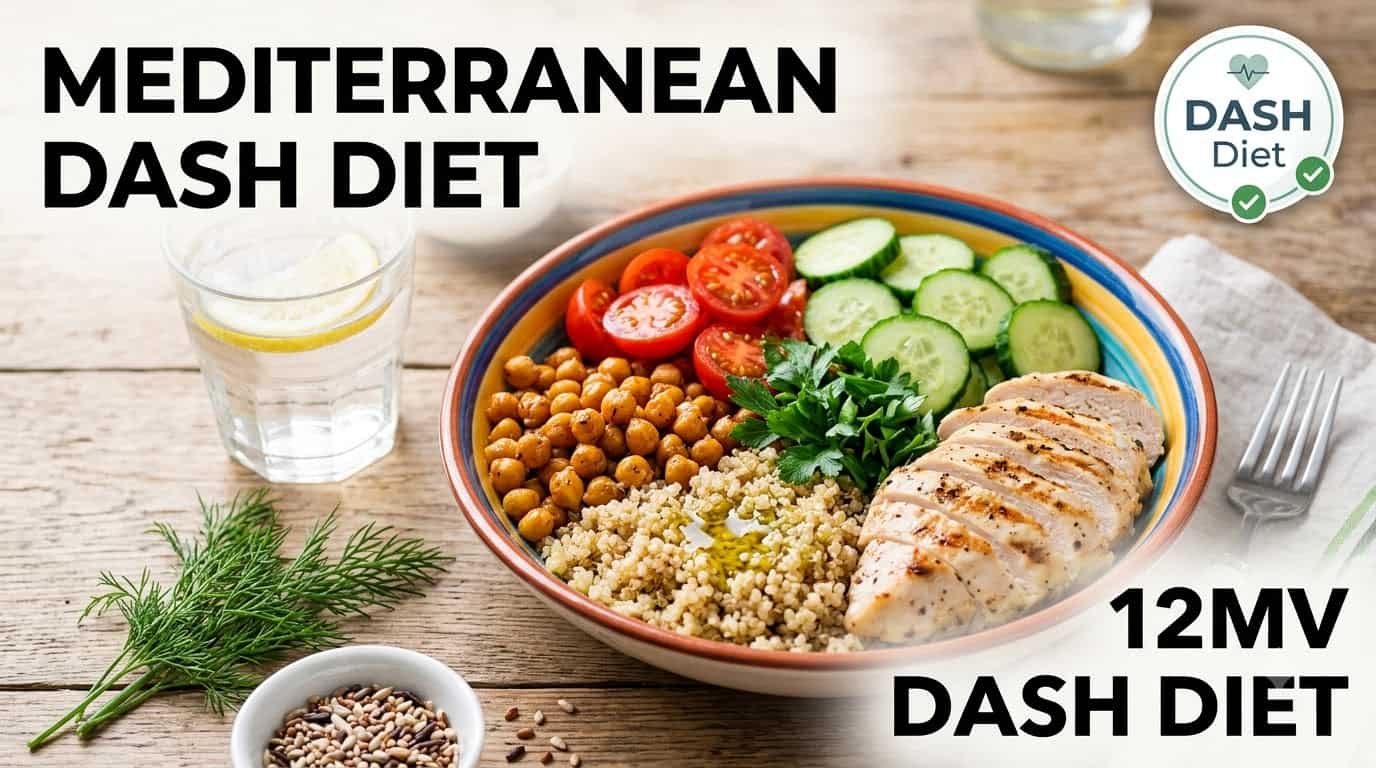
DASH Diet for High Blood Pressure. High blood pressure, also called hypertension, is a common health condition that can increase the risk of serious health problems over time. Food choices are one of several factors that can affect blood pressure, which is why many people look for practical eating plans that support heart health.
The DASH diet for high blood pressure is an eating pattern that focuses on nutrient-rich foods such as vegetables, fruits, whole grains, and other foods that can fit into a balanced diet. DASH stands for Dietary Approaches to Stop Hypertension.
Despite its name, the DASH eating pattern is not a short-term or extreme diet. It is a practical approach to everyday eating. Rather than requiring special foods or complicated recipes, it encourages people to build meals around a variety of nutritious foods while paying attention to sodium intake.
This article explains the DASH diet in simple English, including how it works, what foods are commonly included, what foods may need to be limited, and practical ways to follow the DASH diet for high blood pressure.
Best Low Carb Meal Delivery Guide for Busy People
What Is the DASH Diet?
The DASH diet is an eating pattern designed to support healthy blood pressure and overall heart health.
It emphasizes foods such as:
- Vegetables
- Fruits
- Whole grains
- Beans and lentils
- Nuts and seeds
- Low-fat or fat-free dairy products for people who consume dairy
- Fish
- Poultry
- Other suitable protein foods
The DASH eating pattern also encourages people to limit foods that can contribute to an unhealthy diet when eaten frequently, including foods high in sodium and heavily processed foods.
The goal is not to eat perfectly at every meal.
Instead, the goal is to develop a healthier overall eating pattern that can be followed over time.
Dietary Supplement for Weight Loss – What You Should Know
Why Food Matters for High Blood Pressure
Blood pressure can be influenced by many factors.
These can include:
- Food choices
- Sodium intake
- Physical activity
- Body weight
- Alcohol consumption
- Smoking
- Sleep
- Stress
- Medical conditions
- Family history
- Medications
Food is only one part of the picture, but it can be an important part.
A diet that includes a variety of nutrient-rich foods may support overall health. Reducing excessive sodium intake can also be important for many people with high blood pressure.
However, diet does not replace medical treatment.
If you have been prescribed medication for high blood pressure, do not stop taking it or change your treatment without discussing it with your healthcare professional.
High Protein Fat Loss Diet – Healthy Weight Management
How Does the DASH Diet Work?
The DASH diet focuses on the overall pattern of foods you eat.
Instead of depending on one special food or supplement, it encourages regular meals built around nutritious ingredients.
For example, instead of eating a breakfast based mainly on highly processed foods, you might choose:
- Oatmeal
- Fruit
- Yogurt if suitable for you
- Nuts or seeds in an appropriate amount
For lunch, you might choose:
- A large salad with vegetables
- Beans, fish, chicken, or another protein source
- A whole-grain food if it fits your needs
For dinner, you might include:
- A variety of vegetables
- A suitable protein source
- A whole grain or another nutritious side dish
The exact meals can vary based on culture, budget, food preferences, and dietary needs.
The DASH diet does not require everyone to eat the same foods.
Weight Loss for Fatty Liver – A Simple Guide to Better Liver Health
Foods Commonly Included in the DASH Diet
The DASH eating pattern includes many familiar foods.
Vegetables
Vegetables can provide vitamins, minerals, and fiber.
Examples include:
- Spinach
- Carrots
- Tomatoes
- Broccoli
- Cabbage
- Cauliflower
- Green beans
- Bell peppers
You do not have to eat the same vegetables every day.
Eating different colors and types can add variety to meals.
Fruits
Fruits can be included as snacks or as part of meals.
Examples include:
- Apples
- Bananas
- Oranges
- Berries
- Grapes
- Papaya
- Mango
Fresh, frozen, and other minimally processed options may fit into a healthy eating pattern depending on the product and ingredients.
Whole Grains
Whole grains can provide fiber and other nutrients.
Examples may include:
- Oats
- Brown rice
- Whole-wheat bread
- Whole-grain pasta
- Millet
Portion sizes and individual nutritional needs can vary.
Beans and Lentils
Beans and lentils can provide plant protein and fiber.
Examples include:
- Chickpeas
- Kidney beans
- Black beans
- Lentils
- Peas
These foods can be added to soups, salads, curries, and other meals.
Protein Foods
Protein foods may include:
- Fish
- Chicken
- Eggs
- Beans
- Lentils
- Tofu
- Other suitable foods
Choose options that fit your dietary preferences and nutritional needs.
Nuts and Seeds
Nuts and seeds can be included in appropriate portions.
Examples include:
- Almonds
- Walnuts
- Peanuts
- Pumpkin seeds
- Sunflower seeds
Because nuts and seeds are energy-dense, portion awareness can be helpful.
Low Salt Diet for Heart Failure – A Complete Food Guide
The Importance of Reducing Excess Sodium
Sodium is an important nutrient, but consuming too much sodium can be a concern for many people.
A large amount of dietary sodium can come from packaged and restaurant foods rather than only from salt added at the table.
Common sources may include:
- Packaged snacks
- Instant noodles
- Processed meats
- Fast food
- Ready-made sauces
- Pickled foods
- Some frozen meals
The amount of sodium in products can vary.
Reading nutrition labels can help you compare different products.
Instead of adding more salt, try adding flavor with:
- Lemon or lime juice
- Garlic
- Ginger
- Herbs
- Spices
- Pepper
Flavorful food does not always need large amounts of salt.
If you have been given a specific sodium target by your healthcare professional, follow that personalized advice.
How to Read Food Labels for Sodium
Food labels can help you understand how much sodium is in a product.
When comparing similar foods, check:
- Serving size
- Sodium amount per serving
- Number of servings in the package
A package may look like one serving but contain multiple servings.
Comparing labels can help you make a more informed choice.
For example, if you are choosing between two soups, compare the sodium listed for each serving and consider how much you will actually eat.
A Simple DASH Breakfast Example
A practical DASH-style breakfast might include:
- Oatmeal
- Fresh fruit
- Plain yogurt if suitable
- A small amount of nuts or seeds
Another option could include:
- Eggs
- Vegetables
- Whole-grain toast
You do not need expensive or unusual ingredients.
Simple foods can be nutritious and practical.
A Simple DASH Lunch Example
Lunch might include:
- Brown rice or another whole grain
- Lentils or beans
- Cooked vegetables
- Fresh salad
Another option could be a whole-grain wrap with vegetables and a suitable protein source.
Try to pay attention to sauces and packaged ingredients, as these can sometimes contain significant amounts of sodium.
Best Vegan B12 Supplement Guide – What You Need to Know
A Simple DASH Dinner Example
A dinner could include:
- Fish, chicken, tofu, or another protein source
- Several vegetables
- A suitable whole-grain side dish
For example:
Grilled fish with mixed vegetables and brown rice.
The meal can be flavored with herbs, garlic, lemon, pepper, and other seasonings instead of relying heavily on salt.
Practical Tips for Starting the DASH Diet
You do not need to change everything in one day.
Small changes may be easier to maintain.
Start by adding one extra serving of vegetables or fruit to your day.
Gradually reduce your dependence on heavily salted foods.
Try cooking at home more often if possible.
Compare food labels when buying packaged products.
Choose water more often instead of sugary drinks.
Prepare simple meals before busy days.
These small changes can gradually create a healthier eating pattern.
DASH Diet and Weight Management
Some people may also experience changes in body weight when they improve their overall eating habits.
However, the DASH diet should not be presented as a guaranteed weight-loss program.
Weight is influenced by many factors, including:
- Overall energy intake
- Physical activity
- Sleep
- Stress
- Medical conditions
- Medications
The DASH eating pattern may fit into a healthy weight-management plan for some people because it emphasizes nutritious foods and balanced meals.
However, individual needs differ.
Readers interested in healthy eating can also explore related information about a balanced diet and practical food choices on Helping99.com.
DASH Diet and Physical Activity
Food is important, but other lifestyle habits can also support overall heart health.
Regular physical activity can be beneficial for many people.
Possible activities include:
- Walking
- Cycling
- Swimming
- Dancing
- Strength exercises
- Sports
Choose an activity that suits your fitness level.
If you are new to exercise, starting slowly may be more realistic than immediately beginning an intense routine.
If you have a medical condition or have been advised to limit certain activities, ask a qualified healthcare professional for personalized guidance.
Common Myths About the DASH Diet
Myth: The DASH Diet Is a Strict Temporary Diet
The DASH diet is better understood as a long-term eating pattern rather than a short-term diet challenge.
You can adapt meals to your food preferences and culture.
Myth: DASH Food Has No Flavor
Reducing salt does not mean eating bland food.
Herbs, spices, garlic, ginger, lemon, and other ingredients can add flavor.
Myth: You Must Buy Special Foods
Most DASH-friendly foods are ordinary foods available in many grocery stores.
Vegetables, fruits, oats, beans, lentils, and other basic foods can fit into the plan.
Myth: All Salt Is Bad
Sodium is an essential nutrient, but excessive sodium intake can be a concern.
Individual needs can differ, especially for people with medical conditions.
Myth: The DASH Diet Replaces Blood Pressure Medication
The DASH eating pattern does not replace prescribed medication.
Never stop or change prescribed treatment without consulting your healthcare professional.
Myth: One Healthy Meal Is Enough
Overall habits matter more than one meal.
A healthy eating pattern develops over time.
Eating Out While Following a DASH-Style Diet
You do not need to avoid restaurants completely.
When eating out, you can consider:
- Choosing dishes with vegetables
- Selecting grilled or baked options when available
- Asking for sauces separately
- Avoiding unnecessary extra salt when possible
- Paying attention to portion sizes
Restaurant food can contain significant amounts of sodium, so frequent restaurant meals may make sodium reduction more difficult for some people.
You do not need to be perfect. The goal is to make practical choices more often.
Meal Planning Can Make DASH Eating Easier
Planning meals can reduce stress.
Try creating a simple weekly plan.
For example:
Monday: Lentils, vegetables, and brown rice.
Tuesday: Grilled chicken or tofu with vegetables.
Wednesday: Bean and vegetable soup prepared with attention to sodium.
Thursday: Fish with vegetables and a whole-grain side dish.
Friday: A homemade vegetable-based meal.
Planning can help you create a shopping list and reduce last-minute decisions.
DASH Diet for High Blood Pressure on a Budget
Healthy eating does not always require expensive ingredients.
Budget-friendly options can include:
- Seasonal vegetables
- Frozen vegetables without unnecessary sauces
- Beans
- Lentils
- Oats
- Brown rice
- Eggs
- Locally available fruits
Cooking at home can also provide greater control over ingredients and salt.
Choose foods that are available and affordable in your local area.
Who Should Get Personalized Advice?
The DASH eating pattern can be adapted for many people, but personalized advice may be important for people who:
- Have kidney disease
- Have diabetes
- Take multiple medications
- Have been given a special diet by a healthcare professional
- Have other medical conditions that affect food choices
If you have high blood pressure and are unsure how to change your diet, speaking with a qualified healthcare professional or registered dietitian can help.
They can consider your complete health situation rather than offering general advice only.
Conclusion
The DASH diet for high blood pressure is a practical eating pattern that focuses on nutritious foods rather than extreme restrictions.
It encourages vegetables, fruits, whole grains, beans, lentils, nuts, seeds, and suitable protein foods while also encouraging people to pay attention to sodium and the overall quality of their diet.
You do not need to change every meal overnight. Small changes, such as cooking more meals at home, adding vegetables, choosing less heavily processed foods, and reading nutrition labels, can help build healthier habits over time.
Remember that high blood pressure can have many causes and may require medical treatment. A healthy diet can be an important part of overall care, but it does not replace prescribed medication or professional medical advice.
The best approach is to build a realistic eating pattern that you enjoy, can afford, and can continue over the long term. Small, consistent improvements are often easier to maintain than extreme dietary changes.
Frequently Asked Questions About the DASH Diet for High Blood Pressure
What is the DASH diet for high blood pressure? The DASH diet is an eating pattern that emphasizes vegetables, fruits, whole grains, beans, nuts, seeds, and suitable protein foods while encouraging attention to sodium and overall diet quality.
Can the DASH diet replace blood pressure medication? No. Do not stop or change prescribed medication without speaking with the healthcare professional who manages your treatment.
Do I have to completely stop eating salt on the DASH diet? The DASH diet focuses on reducing excessive sodium intake rather than suggesting that everyone should eliminate all sodium. Individual advice can vary.
What foods should I eat more often on a DASH-style diet? Vegetables, fruits, whole grains, beans, lentils, and other nutrient-rich foods are commonly included.
Can I eat Indian food on the DASH diet? Yes. The DASH eating pattern can be adapted to many cuisines. You can build meals around vegetables, lentils, beans, whole grains, and suitable protein foods while paying attention to sodium in packaged foods, pickles, sauces, and added salt.
Is the DASH diet useful for weight loss? The DASH diet is primarily an eating pattern designed to support healthy blood pressure. Some people may find it fits into a weight-management plan, but it does not guarantee weight loss.
How quickly can I start the DASH diet? You can begin gradually by making practical changes, such as adding more vegetables and fruits and comparing sodium levels on food labels. A major dietary change may require personalized advice for people with certain medical conditions.
Do I need special supplements for the DASH diet? The DASH eating pattern focuses mainly on food. Do not assume that supplements can replace a balanced eating pattern. Ask a qualified healthcare professional if you have questions about supplements.
Best Free Artificial Intelligence Tools | 100% Free Tools