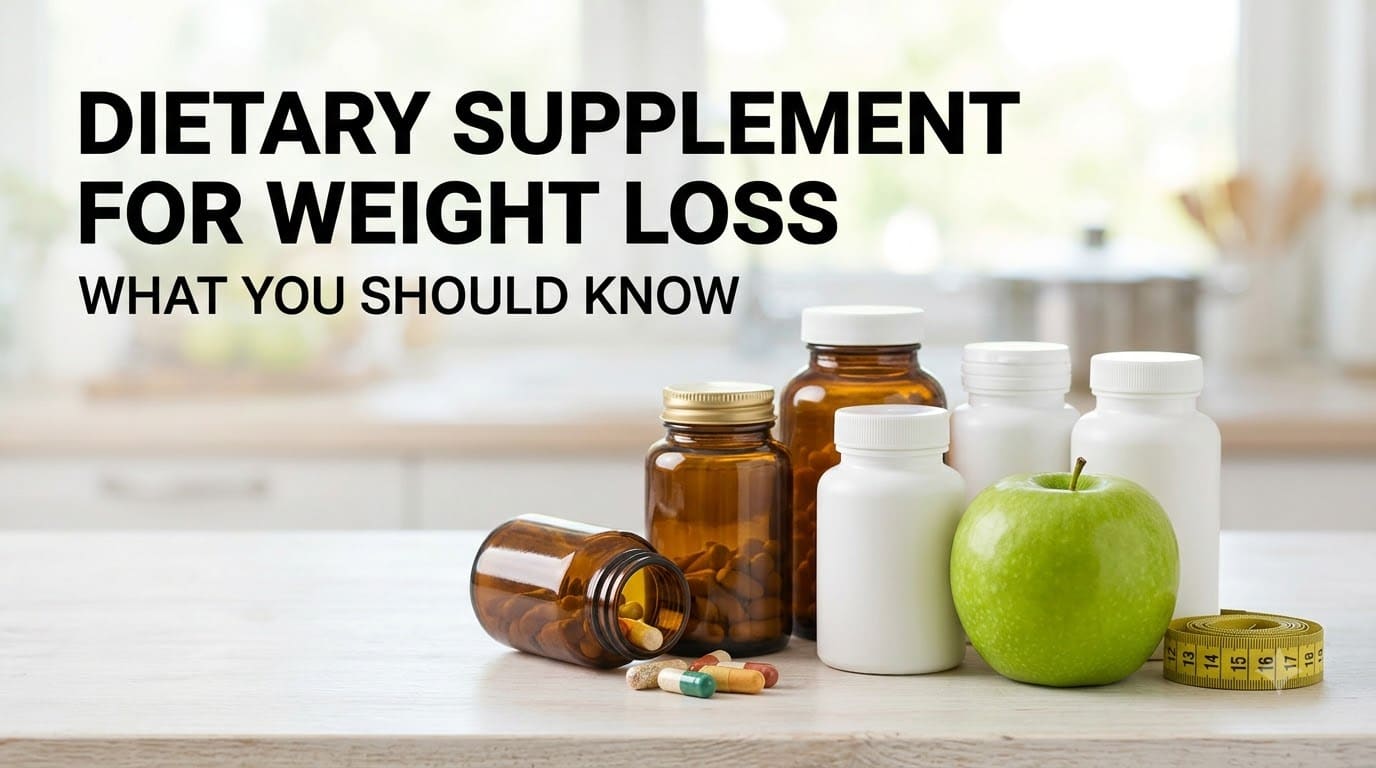
Many people looking to lose weight search for a dietary supplement for weight loss. Weight-loss supplements are widely advertised, and the promises can sound attractive. Some products claim to increase fat burning, reduce appetite, boost metabolism, or help people lose weight quickly.
However, it is important to look beyond marketing claims.
A dietary supplement is not a replacement for a balanced diet, regular physical activity, adequate sleep, and other healthy habits. Some supplements may also interact with medications or may not be suitable for everyone. The ingredients, quality, and evidence behind different products can vary greatly.
If you are considering a dietary supplement for weight loss, the best approach is to understand what the product contains, what realistic results may look like, and what safety questions to ask before using it.
This article explains weight-loss supplements in simple language and provides practical information to help you make a more informed decision.
High Protein Fat Loss Diet – Healthy Weight Management
What Is a Dietary Supplement for Weight Loss?
A dietary supplement is a product intended to supplement the diet. Depending on the product, it may contain vitamins, minerals, herbs, plant extracts, fiber, amino acids, or other ingredients.
A dietary supplement for weight loss is usually marketed as a product that may support weight management in one or more ways.
Common marketing claims include:
- Supporting appetite control
- Supporting energy levels
- Supporting metabolism
- Helping people feel full
- Supporting exercise routines
- Supporting a healthy diet
However, a marketing claim does not automatically mean that a product will produce meaningful weight loss for every person.
Weight change is influenced by many factors, including food intake, activity, sleep, medical conditions, medications, stress, and individual differences.
That is why it is important to be cautious about products that promise dramatic or guaranteed results.
Weight Loss for Fatty Liver – A Simple Guide to Better Liver Health
Why Are Weight-Loss Supplements So Popular?
Losing weight can take time. Many people find it difficult to change eating habits, stay physically active, or maintain a routine over a long period.
This can make a supplement seem like an easier solution.
For example, advertisements may use phrases such as:
- Burn fat fast
- Melt belly fat
- Lose weight without exercise
- Boost your metabolism
- Get quick results
These messages can create unrealistic expectations.
A supplement cannot replace everyday habits. Even if a product has an effect, it is unlikely to overcome a consistently unhealthy diet or completely eliminate the need for physical activity.
A more realistic approach is to focus on long-term habits and view supplements carefully rather than expecting them to solve every weight-management problem.
Low Salt Diet for Heart Failure – A Complete Food Guide
How Can Weight-Loss Supplements Be Marketed?
Different supplements are marketed for different purposes.
Appetite and Fullness Support
Some products contain ingredients intended to help people feel fuller.
Fiber is one example of a nutrient that can be part of a balanced eating pattern and may help with fullness.
However, adding a supplement does not automatically improve an unhealthy diet.
A person may also increase dietary fiber by eating foods such as:
- Beans
- Lentils
- Vegetables
- Fruits
- Whole grains
If increasing fiber intake, it is generally sensible to do so gradually and drink enough fluids. Individual needs can differ.
Energy and Exercise Support
Some products are marketed as energy boosters.
They may contain stimulants or other ingredients that can affect how a person feels.
More energy does not automatically mean more fat loss. It is also important to consider potential side effects, especially for people sensitive to stimulants or those with certain health conditions.
Metabolism Claims
“Boost metabolism” is a popular marketing phrase.
Your body uses energy continuously, but metabolism is influenced by many factors. A supplement is unlikely to create a dramatic change in metabolism that produces effortless weight loss.
Be careful when a product uses scientific-sounding language without clearly explaining what the evidence actually shows.
Meal Replacement Products
Some products are used as meal replacements.
A meal replacement may be useful in some structured weight-management plans, but nutritional quality matters.
A product should not automatically be considered healthy simply because it is marketed for weight loss.
Consider the overall nutritional profile and whether it fits into your daily eating pattern.
Yumi Baby Food – Prepared Baby Meals, Textures, and Nutrition
Supplements Are Not the Same as Weight-Loss Medicines
This distinction is important.
A dietary supplement is different from a prescription medication.
Weight-management medicines should only be used under appropriate medical guidance.
Do not assume that a supplement is safer or more effective simply because it is sold without a prescription.
Some supplements can still cause side effects or interact with medications.
If you take regular medication or have a medical condition, speak with a qualified healthcare professional or pharmacist before starting a new supplement.
What to Check Before Choosing a Dietary Supplement for Weight Loss
Before purchasing a product, take time to examine it carefully.
Read the Ingredient List
Look at exactly what the product contains.
Ask:
- Are all ingredients clearly listed?
- Does the product show the amount of each important ingredient?
- Are there ingredients I do not recognize?
- Does it contain stimulants?
A clear label does not guarantee that a product will work, but unclear labeling is a reason to be cautious.
Be Careful With Proprietary Blends
Some products list several ingredients together as a “proprietary blend.”
This may make it difficult to know how much of each individual ingredient is included.
Understanding ingredient amounts can be important for safety and for evaluating the product.
Look Beyond Testimonials
Before-and-after photos and personal stories can be persuasive, but they do not prove that a product caused the results.
Weight can change for many reasons, including:
- Changes in diet
- Exercise
- Water balance
- Sleep
- Other lifestyle changes
Look for reliable information instead of relying only on testimonials.
Avoid Unrealistic Promises
Be cautious if a product promises:
- Extremely rapid weight loss
- Guaranteed results
- Weight loss without lifestyle changes
- Permanent results with no effort
- Dramatic fat loss in a very short period
Healthy weight management is usually a gradual process.
Best Food Replacement Shakes for Weight Loss
The Importance of a Balanced Diet
A dietary supplement for weight loss cannot replace the nutritional value of a varied diet.
A balanced eating pattern may include foods such as:
- Vegetables
- Fruits
- Whole grains
- Beans and lentils
- Protein-rich foods
- Nuts and seeds in appropriate portions
- Other foods that fit your individual needs
The exact diet that works best can differ from person to person.
You do not necessarily need to eat perfectly.
A practical approach is to make small improvements that you can continue over time.
For example:
- Drink water instead of sugary drinks more often.
- Add vegetables to regular meals.
- Choose filling foods with protein and fiber.
- Reduce frequent highly processed snacks if they are not helping your goals.
- Pay attention to portion sizes.
Small habits can be easier to maintain than extreme diet plans.
You can also explore other healthy eating and weight-management topics on Helping99.com, including articles about a balanced diet, high-protein eating, and other practical approaches to healthier food choices.
Protein and Weight Management
Protein is an important nutrient with many roles in the body.
Including protein-rich foods in meals may help some people create more filling meals.
Examples include:
- Eggs
- Fish
- Chicken
- Yogurt
- Beans
- Lentils
- Tofu
- Other suitable protein sources
The amount of protein a person needs depends on several factors.
There is no need to assume that extremely high protein intake is necessary for weight loss.
A balanced diet should consider the individual’s overall nutritional needs.
Fiber and Fullness
Fiber-rich foods can be an important part of a healthy diet.
Examples include:
- Vegetables
- Fruits
- Beans
- Lentils
- Whole grains
Instead of looking only for a fiber supplement, consider whether your normal meals contain enough fiber-rich foods.
A whole-food approach can provide additional nutrients that may not be present in a single supplement.
Physical Activity Matters
Physical activity can support overall health and weight management.
You do not need to start with an extreme workout routine.
Simple activities may include:
- Walking
- Cycling
- Swimming
- Strength training
- Sports
- Active hobbies
Choose activities that you enjoy and can perform consistently.
For beginners, building a regular routine gradually can be more realistic than trying to exercise intensely every day.
If you have a medical condition or are unsure about what type of exercise is appropriate, seek personalized guidance from a qualified professional.
Sleep and Stress Can Affect Healthy Habits
Weight management is not only about food and exercise.
Poor sleep can make it harder for some people to maintain healthy eating habits and regular activity.
Stress can also influence routines and food choices.
Try to create a lifestyle that supports:
- Regular sleep
- Daily movement
- Balanced meals
- Relaxation
- Realistic goals
A weight-loss supplement cannot replace these foundations.
How to Set Realistic Weight-Loss Goals
It is tempting to focus only on a number on the scale.
However, healthy progress can look different for different people.
Instead of expecting instant results, focus on habits such as:
- Preparing more meals at home
- Eating more vegetables
- Moving regularly
- Improving sleep
- Reducing frequent sugary drinks
These habits may support long-term health and weight management.
If you have a significant amount of weight to lose or have health concerns, a healthcare professional can provide more personalized advice.
Common Myths About Dietary Supplements for Weight Loss
Myth 1: A Supplement Can Melt Fat Without Lifestyle Changes
There is no reason to expect a supplement alone to produce effortless, dramatic fat loss.
Long-term weight management usually involves multiple factors.
Myth 2: Natural Always Means Safe
This is not true.
Natural ingredients can still cause side effects or interact with medications.
Always check ingredients carefully.
Myth 3: More Supplement Means Better Results
Taking more than recommended can increase risks.
Never assume that increasing the dose will speed up weight loss.
Myth 4: Fast Weight Loss Is Always Better
Rapid changes on the scale do not necessarily mean body fat is being lost.
Short-term weight changes can involve changes in water and other factors.
A sustainable approach is generally more useful than repeatedly following extreme plans.
Myth 5: A Popular Product Must Be Effective
Popularity and positive reviews do not guarantee that a supplement is effective or appropriate for you.
Marketing and testimonials can influence purchasing decisions.
Myth 6: Supplements Can Replace Nutritious Food
Supplements are intended to supplement, not replace the overall benefits of a balanced eating pattern.
Who Should Be Especially Careful?
Some people should take extra care before using weight-loss supplements.
This may include people who:
- Take prescription medications
- Have an existing medical condition
- Are pregnant or breastfeeding
- Are sensitive to stimulants
- Have experienced reactions to supplements in the past
A pharmacist or qualified healthcare professional can help you consider possible risks and interactions.
Do not stop prescribed medication or replace medical treatment with a supplement.
A Practical Example of a Healthy Weight-Management Plan
Imagine someone wants to lose weight and is thinking about buying several supplements.
A more practical first step could be:
Morning
Eat a balanced breakfast that includes a suitable source of protein and other nutritious foods.
During the Day
Drink water regularly and include filling foods such as vegetables, fruits, and other fiber-rich choices.
Activity
Take a regular walk or perform another activity that fits your fitness level.
Meals
Build meals around a combination of nutritious foods rather than relying on a single “fat-burning” product.
Sleep
Create a consistent bedtime routine when possible.
A supplement, if appropriate and approved by a qualified professional, should not be treated as the foundation of the entire plan.
How to Talk to a Healthcare Professional About Supplements
If you are considering a dietary supplement for weight loss, you can take the product label with you when speaking to a healthcare professional or pharmacist.
Useful questions include:
- Is this product suitable for me?
- Could it interact with my medication?
- Are any ingredients a concern?
- Are there safer alternatives?
- Is there a reason I am struggling with weight management?
Personalized advice is especially valuable because people have different medical histories and nutritional needs.
Conclusion
A dietary supplement for weight loss may sound like a simple solution, but weight management is more complex than taking a single product.
Some supplements may be marketed to support appetite control, energy, metabolism, or other aspects of weight management. However, marketing claims should be examined carefully, and unrealistic promises should be avoided.
Before considering any supplement, read the ingredients, understand the possible risks, and think about whether the product is appropriate for your individual situation.
The foundation of sustainable weight management remains a pattern of healthy habits that may include nutritious food, regular physical activity, adequate sleep, and realistic goals.
Supplements should not replace meals, medical care, or a balanced lifestyle.
If you have a health condition, take medication, or are unsure whether a supplement is appropriate, speak with a qualified healthcare professional or pharmacist before using it.
The most useful goal is not to find a quick fix. It is to build habits that support your health and that you can continue over the long term.
Frequently Asked Questions About Dietary Supplements for Weight Loss
What is a dietary supplement for weight loss?
A dietary supplement for weight loss is a product marketed to support weight management. Products may contain ingredients such as vitamins, minerals, herbs, plant extracts, fiber, or other substances.
Do weight-loss supplements work?
The effects can vary depending on the product and individual. Supplements should not be expected to replace a balanced diet, physical activity, sleep, and other healthy habits.
Are natural weight-loss supplements safe?
Natural does not automatically mean safe. Some ingredients can cause side effects or interact with medications.
Can a supplement replace a healthy diet?
No. Supplements cannot replace the variety of nutrients and other benefits provided by a balanced diet.
Should I take a supplement to lose belly fat?
Be cautious about products that promise to target fat loss from one specific body area. Weight changes are influenced by many factors, and supplements should not be expected to selectively remove fat from one location.
What should I check before buying a weight-loss supplement?
Check the ingredient list, recommended use, potential warnings, and the credibility of the seller. Be cautious about unrealistic claims and unclear ingredient information.
Can I take weight-loss supplements with medication?
Some supplements may interact with medications. Speak with a qualified healthcare professional or pharmacist before combining supplements with prescription or regular medicines.
What is the best alternative to relying on weight-loss supplements?
A practical approach includes a balanced diet, regular physical activity, adequate sleep, and habits that can be maintained over time. Professional guidance can also help when needed.
Best Free Artificial Intelligence Tools | 100% Free Tools