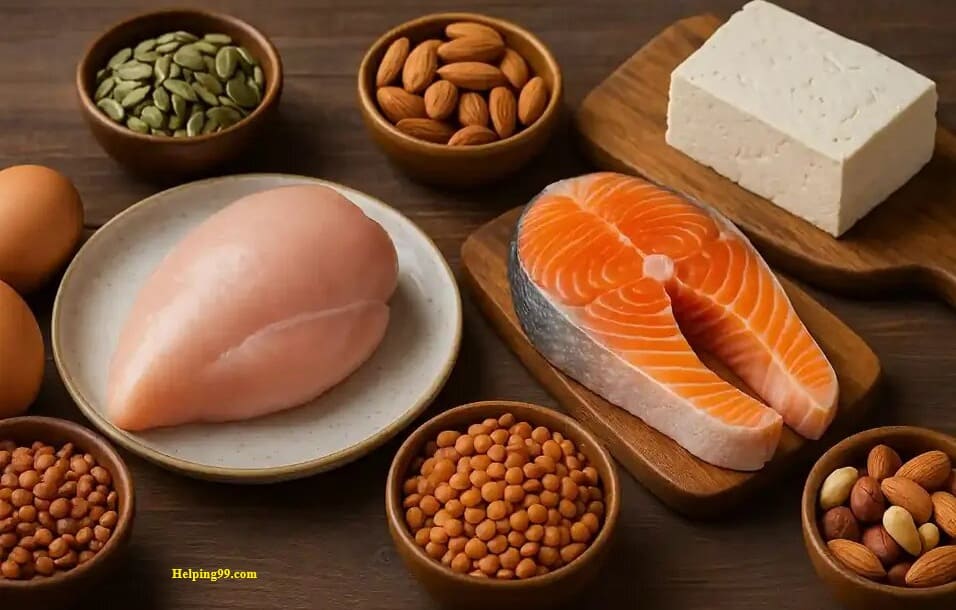
Protein is one of the most vital nutrients your body requires on a daily basis. Whether your goal is to build muscle, lose weight, or simply maintain good health, protein plays a pivotal role in tissue repair, boosting metabolism, and keeping you feeling full for longer periods. In today’s fast-paced lifestyle, many people fail to consume adequate amounts of high-quality protein in their diets, which can lead to issues such as fatigue, muscle loss, and a general decline in overall health.
The good news is that there are plenty of delicious and readily available high-protein foods that you can easily incorporate into your daily meals. In this article, let’s explore the top 10 high-protein foods that are not only nutritious but also easy to prepare and affordable.
Weight Loss Pills – Healthy and Safe Weight Loss
Eggs – A Complete Protein Powerhouse
Eggs are one of the best sources of high-quality protein. A single egg contains approximately 6–7 grams of protein, along with essential vitamins such as B12, Vitamin D, and Choline.
What makes eggs truly special is that they contain all nine essential amino acids, making them a “complete protein.” They are incredibly versatile—you can boil them, fry them, scramble them, or incorporate them into curries and salads. Best for: Breakfast, Muscle Building, Weight Loss
Tip: Don’t discard the yolk—that’s where most of the nutrients are found.
Chicken Breast – Low in Fat, High in Protein
Chicken breast is a favorite among fitness enthusiasts because it is low in fat and high in protein. A 100-gram serving provides approximately 30–31 grams of protein.
It aids in muscle growth and fat loss, and helps keep you feeling full for longer periods.
Best for: Gym Diets, Weight Loss Plans
Tip: For healthier results, grill or bake it instead of frying.
Lentils (Dal) – Affordable Plant-Based Protein
Lentils are a staple food in Indian households and an excellent source of plant-based protein. One cup of cooked lentils contains approximately 18 grams of protein.
They are also rich in fiber, iron, and folate, making them highly beneficial for digestion and heart health.
Best for: Vegetarians, Everyday Meals
Tip: Pair them with rice for a complete protein meal.
Best Weight Reduce Drink – Complete Guide
Paneer (Cottage Cheese) – Protein with Flavor
Paneer is a popular dairy product in India and a great source of protein for vegetarians. It contains approximately 18–20 grams of protein per 100 grams. It is also rich in calcium, which helps to strengthen bones.
Best for: Vegetarian diets, muscle growth
Tip: If you are trying to lose weight, opt for low-fat paneer.
Greek Yogurt – Creamy and Nutritious
Compared to regular yogurt, Greek yogurt is thicker and rich in protein. It contains approximately 10 grams of protein per 100 grams.
Thanks to its probiotics, it also contributes to gut health.
Best for: Snacks, digestion, immunity
Tip: Add fruits or honey for a delicious and healthy snack.
Best Nutrition Advice for Weight Management
Fish – Lean Protein with Omega-3s
Fish such as salmon, tuna, and mackerel are rich in protein and healthy fats. A 100-gram serving provides approximately 20–25 grams of protein.
They are also abundant in omega-3 fatty acids, which support heart and brain health.
Best for: Heart health, muscle repair
Tip: Instead of deep-frying fish in oil, try steaming or grilling it.
Chickpeas – A Combination of Protein + Fiber
Chickpeas are another excellent source of plant-based protein. One cup of cooked chickpeas contains approximately 15 grams of protein. These also help in regulating blood sugar levels and improving digestion.
Best for: Weight management, vegetarian diets
Tip: Use them in salads or curries, or make hummus.
Best Dietician for Weight Loss | Simple Guide
Almonds – A Protein-Rich Snack
Almonds are not only delicious but are also packed with protein and healthy fats. A handful (approximately 28 grams) provides nearly 6 grams of protein.
They are also abundant in Vitamin E and antioxidants.
Best for: Snacking, brain health
Tip: Eat soaked almonds in the morning to improve digestion.
Tofu – A Protein Alternative for Vegetarians
Made from soybeans, tofu is an excellent protein choice for vegetarians. It contains approximately 10–15 grams of protein per 100 grams.
It is also low in calories and easily absorbs flavors, making it highly versatile for a wide variety of dishes.
Best for: Vegetarian diets, weight loss
Tip: Stir-fry tofu with vegetables for a quick meal.
Quinoa – The Supergrain
Quinoa is a unique grain because it is a complete plant-based protein. One cup of cooked quinoa provides approximately 8 grams of protein. It is gluten-free and rich in fiber, magnesium, and iron.
Best for: Healthy diets and gluten-free meals.
Tip: Use quinoa instead of rice for extra nutrients.
Why Are High-Protein Foods Important?
Including adequate protein in your diet offers numerous benefits:
- Aids in muscle building and repair
- Promotes a feeling of fullness and helps reduce overeating
- Boosts metabolism
- Contributes to healthy skin, hair, and nails
- Improves overall strength and energy levels
How Much Protein Do You Need?
The amount of protein you require depends on your body weight and level of physical activity. On average:
- Physically inactive adults: 0.8 grams per kilogram of body weight
- Active individuals: 1.2–2.0 grams per kilogram of body weight
For example, a person weighing 60 kilograms may require approximately 48–120 grams of protein per day, depending on their level of physical activity.
Simple Tips to Increase Your Protein Intake
- Include eggs or sprouts in your breakfast
- Add lentils (dal) or paneer to your lunch or dinner
- Snack on nuts instead of junk food
- Choose quinoa or millets instead of white rice
- Drink protein-rich smoothies
Ending
Protein serves as the foundation for a healthy body, and one of the simplest ways to improve your overall health is by incorporating high-protein foods into your daily diet. Whether you are a vegetarian or a non-vegetarian, there are plenty of options available to meet your protein needs.
By incorporating these top 10 high-protein foods into your meals, you can boost your energy levels, improve muscle strength, and stay healthy in the long run. Start making small changes today—your body will thank you tomorrow.
Frequently Asked Questions
- What are the best high-protein foods for a daily diet?
Some of the best high-protein foods include: eggs, chicken breast, lentils (dal), paneer, Greek yogurt, fish, chickpeas, almonds, tofu, and quinoa. These foods provide essential amino acids and help maintain overall health.
- How much protein should I consume per day?
Protein requirements vary depending on age, weight, and physical activity levels. On average:
- Physically inactive adults: 0.8 grams per kilogram of body weight
- Active individuals: 1.2–2.0 grams per kilogram of body weight
- What are the best high-protein foods for vegetarians?
Vegetarians can obtain protein from lentils, paneer, tofu, chickpeas, almonds, quinoa, and Greek yogurt. Combining foods such as lentils and rice also provides complete protein.
- Are eggs the best source of protein?
Yes, eggs are considered one of the best sources of protein because they contain all the essential amino acids. They are inexpensive, easy to cook, and highly nutritious.
- Do high-protein foods help with weight loss?
Yes, protein-rich foods help you feel full for longer, curb hunger cravings, and boost metabolism; therefore, they are highly effective for weight loss.
- Which fruit contains the most protein?
Fruits are generally low in protein; however, certain fruits—such as guava, bananas, and avocados—contain a small amount of protein compared to other foods.
Best Free Artificial Intelligence Tools | 100% Free Tools