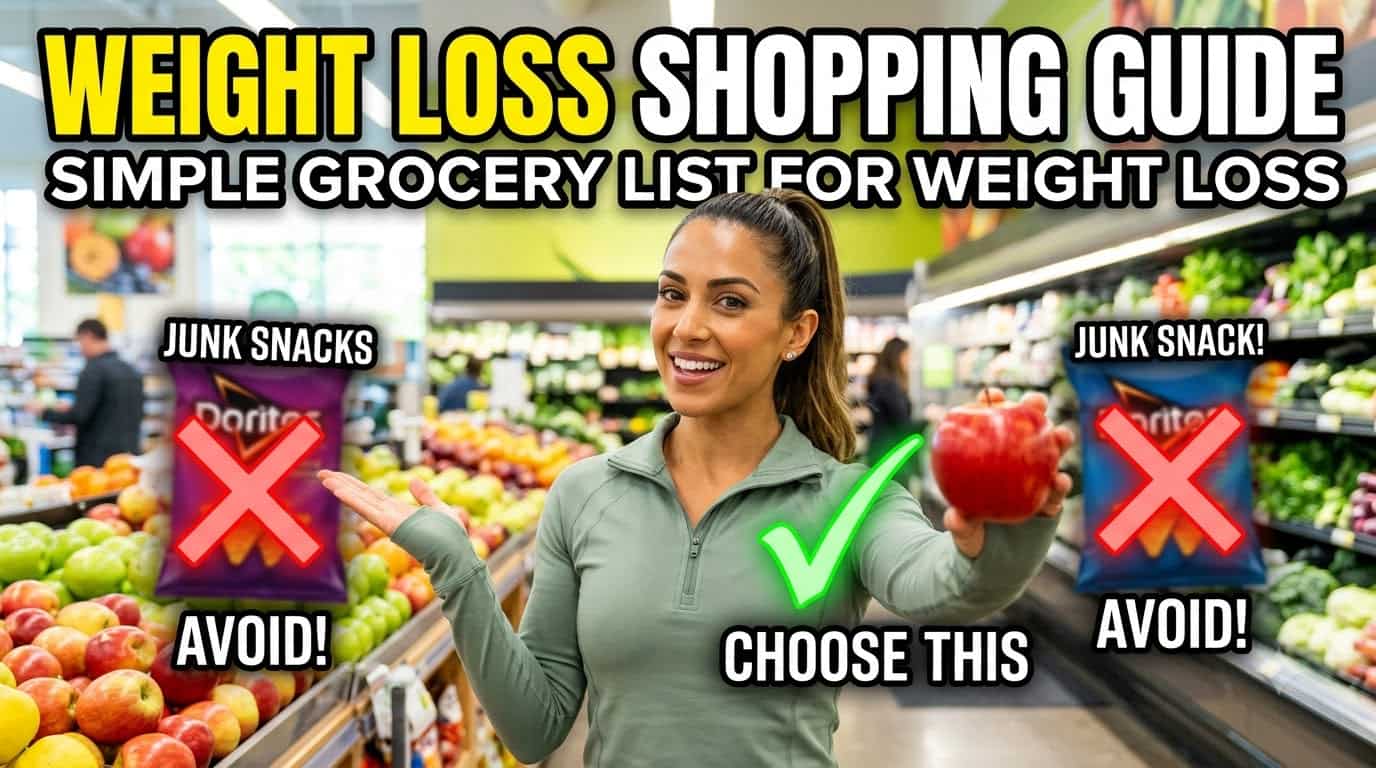
Creating a healthy grocery list for weight loss can make healthy eating easier. When your kitchen contains nutritious foods that you enjoy eating, planning meals becomes simpler and you may be less likely to depend on last-minute takeout or highly processed snacks.
However, a grocery list alone does not cause weight loss. There is no single food that melts fat, and you do not need to buy expensive “diet foods” to eat well. Weight management is influenced by your overall eating pattern, physical activity, sleep, health conditions, and individual energy needs.
The goal of a healthy grocery list is to give you flexible ingredients for satisfying meals. A good shopping cart can include vegetables, fruits, protein-rich foods, fiber-rich carbohydrates, and sources of healthy fats.
This guide provides a practical healthy grocery list for weight loss, explains how to use the foods you buy, and shares simple shopping tips that can help you build sustainable habits.
Best Vitamins for Adults – What You Need to Know
How a Healthy Grocery List Can Support Weight Loss
Shopping with a plan can make everyday food choices easier.
Imagine coming home after a busy day. If your refrigerator contains vegetables, eggs, yogurt, fruit, beans, and other ingredients you enjoy, you have several options for making a simple meal.
If you have no food prepared or available, ordering fast food may seem like the easiest choice.
Planning your shopping can help you:
- Prepare meals more easily
- Buy fewer unnecessary items
- Reduce food waste
- Keep useful ingredients available
- Control your food budget
- Create more variety in your meals
You do not need a perfect grocery cart. The aim is to build a practical collection of foods that fits your lifestyle.
Paleovalley Bone Broth Protein – Benefits, Ingredients and FAQ
Start With Foods You Actually Like
One of the biggest mistakes people make when creating a healthy grocery list for weight loss is buying foods they believe they should eat but do not enjoy.
For example, if you dislike kale, buying a large bag every week may simply lead to wasted food.
Instead, ask yourself:
- Which vegetables do I enjoy?
- Which fruits do I regularly eat?
- What protein foods are easy for me to prepare?
- What healthy meals can I realistically cook?
- Which snacks help me stay satisfied?
Healthy eating is easier to maintain when the food tastes good to you.
You can choose spinach instead of kale, rice instead of another grain, or beans instead of a protein source you dislike.
There is no single grocery list that works perfectly for everyone.
Best Food for Friends – Simple Ideas for Every Gathering
Vegetables to Add to Your Grocery List
Vegetables can add color, flavor, and variety to meals. They can also be used in many simple recipes.
Consider buying vegetables such as:
- Spinach
- Tomatoes
- Carrots
- Cucumbers
- Broccoli
- Cauliflower
- Bell peppers
- Cabbage
- Green beans
- Onions
- Mushrooms
- Zucchini
You do not need to buy every vegetable on every shopping trip.
Choose a few that you enjoy and use them in different meals.
Fresh or Frozen Vegetables?
Both can be useful.
Fresh vegetables are great for salads and recipes when you plan to use them soon. Frozen vegetables can be convenient because they usually last longer and can be added directly to soups, stir-fries, and other meals.
For many busy people, keeping frozen vegetables at home can make meal preparation easier.
Best Foods for a Heart Healthy Diet and Lifestyle
Fruits for a Healthy Shopping Cart
Fruit can be a naturally sweet and nutritious part of a balanced diet.
Examples include:
- Apples
- Bananas
- Oranges
- Berries
- Grapes
- Papaya
- Watermelon
- Pears
- Guava
- Mangoes
Choose fruits that are available, affordable, and enjoyable for you.
A common misconception is that fruit must be avoided during weight loss because it contains natural sugars.
Whole fruit also contains water and other nutrients, and it can fit into many balanced eating patterns.
Portion size and your overall diet matter more than labeling an individual whole fruit as “good” or “bad.”
Food Supplement Vitamins – Benefits, Types and Safe Use
Protein Foods to Include
Protein-rich foods can be part of satisfying meals.
Your healthy grocery list for weight loss might include:
- Eggs
- Chicken
- Fish
- Greek yogurt or plain yogurt
- Milk or suitable alternatives
- Beans
- Lentils
- Chickpeas
- Tofu
- Paneer
- Lean cuts of meat, depending on your preferences
You do not need to eat the same protein source every day.
Rotating different foods can make meals more interesting.
For example:
- Eggs for breakfast
- Lentils for lunch
- Fish or chicken for dinner
Plant-based protein foods such as beans and lentils can also provide fiber.
Readers interested in this topic can naturally explore a related Helping99.com article about a high protein diet for weight loss.
Omega 3 Food Supplement Guide – Types, Uses and Safety
High-Fiber Carbohydrates
Carbohydrates do not automatically prevent weight loss.
The type of food, portion size, preparation method, and overall eating pattern are important.
Useful carbohydrate foods may include:
- Oats
- Brown rice
- Whole-grain bread
- Whole-wheat pasta
- Potatoes
- Sweet potatoes
- Beans
- Lentils
- Quinoa
- Whole grains commonly used in your local diet
You do not need to completely remove carbohydrates to manage your weight.
A meal with vegetables, protein, and an appropriate amount of carbohydrate can be satisfying and practical.
Healthy Sources of Fat
Dietary fat is an important nutrient. The goal is not necessarily to remove all fat from your diet.
Foods that can provide unsaturated fats include:
- Nuts
- Seeds
- Peanuts
- Avocados
- Olive oil
- Other suitable vegetable oils
However, fats are energy-dense, so serving size can still matter.
For example, nuts can be a nutritious snack, but eating a very large amount without realizing it may significantly increase the calories in your day.
You do not need to fear healthy fats. Simply use reasonable portions that fit your overall eating pattern.
High Protein Diet for Weight Loss – Foods, Meals and Tips
Dairy and Dairy Alternatives
Depending on your preferences and dietary needs, your grocery list may include:
- Plain yogurt
- Greek yogurt
- Milk
- Cottage cheese
- Cheese in appropriate portions
- Fortified plant-based alternatives
Check labels when comparing products.
Some flavored products can contain significant amounts of added sugar.
Plain yogurt can be combined with fruit, nuts, or other ingredients to create your preferred flavor.
Simple Snacks to Keep at Home
A healthy eating plan does not mean you can never eat snacks.
The goal is to choose snacks that you enjoy and that fit your overall diet.
Some ideas include:
- Fruit
- Yogurt
- Nuts in reasonable portions
- Roasted chickpeas
- Vegetables with a suitable dip
- Whole-grain crackers
- Boiled eggs
Planning snacks may help prevent the situation where you become very hungry and eat whatever is immediately available.
Liquid Collagen Guide – Ingredients, Uses and Safety Tips
A Practical Healthy Grocery List for Weight Loss
Here is a simple example of a weekly shopping list.
Vegetables
- Spinach
- Tomatoes
- Carrots
- Broccoli
- Cucumbers
- Onions
- Bell peppers
- Frozen mixed vegetables
Fruits
- Bananas
- Apples
- Oranges
- Seasonal fruit
- Frozen berries if available
Protein Foods
- Eggs
- Chicken or fish
- Yogurt
- Lentils
- Beans
- Chickpeas
Carbohydrate Foods
- Oats
- Rice
- Whole-grain bread
- Potatoes
- Sweet potatoes
Healthy Fats
- Peanuts or other nuts
- Seeds
- A suitable cooking oil
Other Useful Items
- Herbs
- Spices
- Garlic
- Lemon
- Tea or coffee, if you enjoy them
Adjust the list according to your household size, budget, culture, and dietary preferences.
DASH Diet for High Blood Pressure – Foods, Tips and Meal Ideas
How to Turn Your Grocery List Into Simple Meals
Buying healthy ingredients is useful, but it helps to have a few easy meal ideas before shopping.
Simple Breakfast Ideas
You could prepare:
- Oats with fruit and nuts
- Eggs with vegetables and whole-grain bread
- Plain yogurt with fruit
- A simple smoothie with nutritious ingredients
A smoothie can be convenient, but it is not automatically a weight-loss drink. Large amounts of high-calorie ingredients can turn a drink into a very calorie-dense meal.
Simple Lunch Ideas
Consider:
- Rice with vegetables and lentils
- A chicken and vegetable bowl
- A bean salad
- Whole-grain bread with eggs and vegetables
Simple Dinner Ideas
Examples include:
- Fish with vegetables and potatoes
- Lentil soup with vegetables
- Chicken stir-fry with vegetables and rice
- Bean curry with vegetables and a suitable grain
The goal is not to create a perfect meal every time.
Aim for a pattern you can realistically follow.
Shop With a Plan
Before visiting the store, look at what you already have.
Ask:
- Which vegetables need to be used?
- Do I already have enough rice or oats?
- What meals can I make from the food at home?
- Which items do I actually need?
This can help reduce food waste and unnecessary spending.
Try making a list before shopping rather than buying food based entirely on impulse.
Do Not Shop When Extremely Hungry
Shopping while very hungry can make highly tempting foods seem more attractive.
If possible, eat a normal meal or snack before grocery shopping.
This does not mean you will never buy treats. It simply makes it easier to make decisions based on your plan.
Read Food Labels When Useful
Food labels can help when comparing similar products.
You might compare:
- Added sugars
- Protein content
- Fiber
- Sodium
- Serving sizes
However, you do not need to spend hours analyzing every item in your cart.
Focus on the foods you buy regularly.
Budget-Friendly Grocery Shopping for Weight Loss
Healthy food does not have to mean expensive food.
Affordable options may include:
- Seasonal vegetables
- Seasonal fruits
- Frozen vegetables
- Beans
- Lentils
- Eggs
- Oats
- Rice
- Potatoes
Buying expensive “diet” products is not necessary.
Simple foods can form the foundation of a nutritious diet.
Buying food in amounts you can realistically use can also reduce waste.
Foods You Do Not Need to Fear
Many diets create unnecessary fear around ordinary foods.
Carbohydrates
Rice, potatoes, oats, and other carbohydrate foods can fit into a balanced diet.
Fruit
Whole fruit does not need to be removed from your diet simply because it contains natural sugar.
Healthy Fats
Nuts, seeds, and oils can be part of a healthy diet when used in suitable amounts.
Your Favorite Foods
A sustainable eating pattern can include enjoyable foods.
If you try to completely ban every food you enjoy, the plan may become difficult to maintain.
The overall pattern matters more than achieving perfection at every meal.
Common Grocery Shopping Mistakes
Buying Too Much Fresh Food
Buying large quantities of food may seem healthy, but food that spoils before you eat it is wasted.
Plan realistic quantities.
Buying Only “Diet” Products
Products labeled “low fat,” “fitness,” or “diet” are not automatically better.
Check the ingredients and nutrition information when needed.
Forgetting Protein Foods
Having vegetables and fruit is useful, but planning protein foods can also make meal preparation easier.
Having No Quick Meal Options
Keep a few simple foods available for busy days.
Examples include eggs, frozen vegetables, canned beans, and other practical ingredients.
Trying to Be Perfect
One unplanned meal does not ruin your progress.
Return to your normal eating habits at the next meal.
A Simple One-Week Grocery Planning Method
You can make grocery shopping easier by planning only a few meals.
For example:
Choose three vegetables: Spinach, carrots, and broccoli.
Choose three fruits: Apples, bananas, and oranges.
Choose three protein sources: Eggs, lentils, and chicken or another preferred option.
Choose two carbohydrate foods: Oats and rice.
Choose one or two healthy fat sources: Nuts and seeds.
This simple method creates enough flexibility without requiring a complicated meal plan.
Healthy Grocery List for Weight Loss and Meal Preparation
Meal preparation does not mean you must spend an entire day cooking identical meals.
Simple preparation can include:
- Washing vegetables
- Cutting fruit
- Cooking a pot of beans or lentils
- Preparing rice
- Boiling eggs
- Freezing extra portions
These small steps can make healthy meals faster to prepare later.
Weight Loss Is Not About One Grocery Trip
A healthy grocery list can support your goals, but it does not guarantee weight loss.
Long-term results are influenced by many factors.
Try to focus on habits such as:
- Eating a variety of nutritious foods
- Including satisfying protein and fiber-rich foods
- Being physically active in ways appropriate for you
- Sleeping adequately
- Avoiding extreme diets that you cannot maintain
If you have a medical condition or need personalized weight-management advice, speak with a qualified healthcare professional.
For additional nutrition ideas, readers can explore related articles on Helping99.com about a balanced diet, heart healthy diet, and organic foods.
Frequently Asked Questions About a Healthy Grocery List for Weight Loss
What should I buy for a healthy weight-loss grocery list?
A practical list can include vegetables, fruits, protein-rich foods, fiber-rich carbohydrates, and sources of healthy fats. Choose foods that fit your budget and that you enjoy eating.
Should I avoid rice when trying to lose weight?
No single food automatically prevents weight loss. Rice can fit into a balanced eating pattern. Overall food intake, portions, meal composition, and individual needs are important.
Are frozen vegetables healthy?
Frozen vegetables can be a convenient option and may help you keep vegetables available for longer. Check the package for added ingredients if relevant.
What are affordable foods for healthy eating?
Affordable choices can include oats, beans, lentils, eggs, seasonal produce, potatoes, rice, and frozen vegetables.
Should I buy special weight-loss foods?
Usually, expensive products marketed specifically for weight loss are not necessary. Ordinary nutritious foods can form the foundation of a balanced eating plan.
Can I eat snacks while trying to lose weight?
Yes. Snacks can fit into a healthy eating pattern. Choose foods you enjoy and consider your overall diet and portion sizes.
Should I completely avoid sugar?
You do not necessarily need to eliminate every food containing sugar. A practical approach is to focus on your overall eating pattern rather than treating every food as completely good or bad.
How often should I go grocery shopping?
This depends on your schedule, budget, storage space, and how quickly you use fresh food. Some people prefer one larger trip per week, while others make smaller trips more often.
Best Free Artificial Intelligence Tools | 100% Free Tools