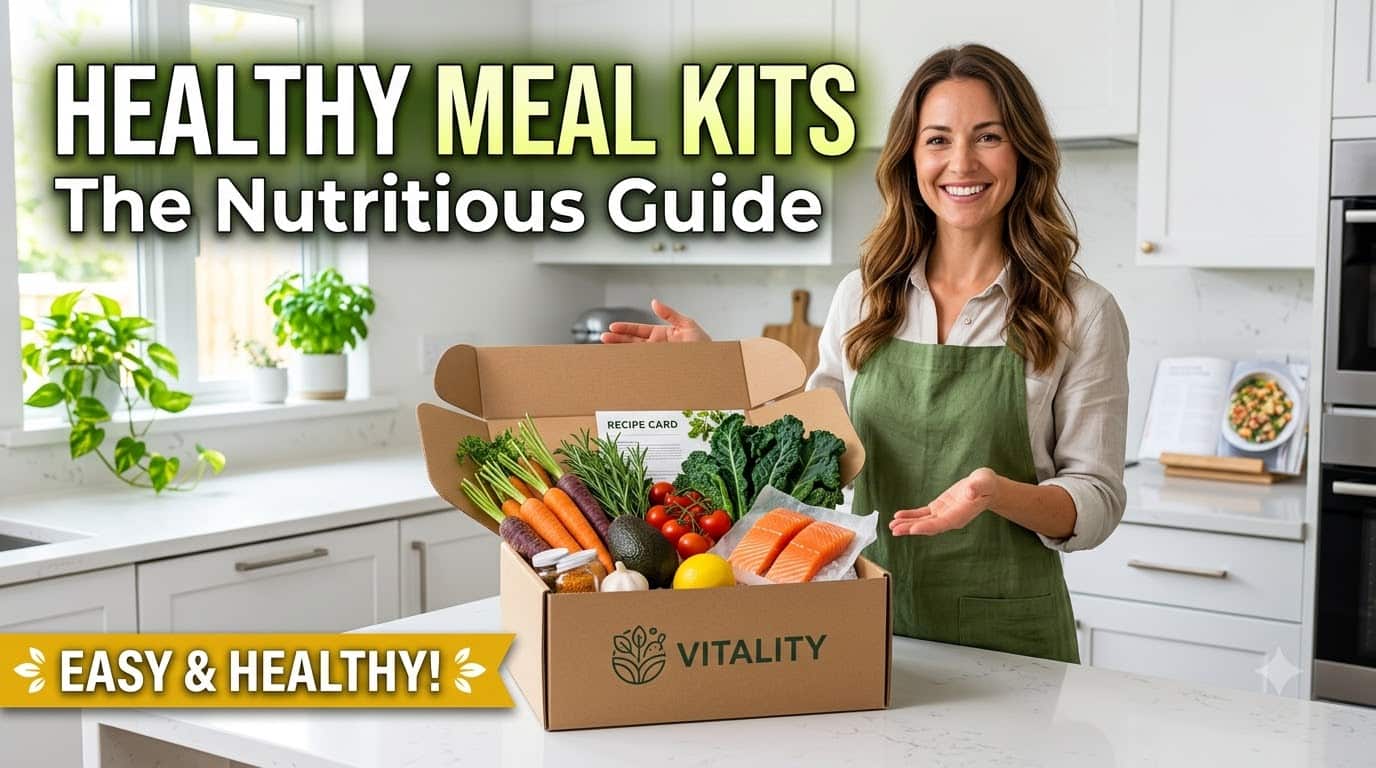
Healthy meal kits have become a popular option for people who want to cook nutritious meals without spending too much time planning recipes, shopping for ingredients, and deciding what to make every day. Instead of starting with an empty refrigerator and a long grocery list, a meal kit gives you many of the ingredients and instructions needed to prepare a specific meal.
But convenience does not automatically mean healthy. Some meal kits can be excellent choices, while others may contain more sodium, added sugar, saturated fat, or refined carbohydrates than you expect. The key is knowing how to choose meals that fit your nutritional needs and lifestyle.
This guide explains what healthy meal kits are, how they work, what to look for on a nutrition label, and how to make better choices for everyday eating.
Diabetes Friendly Meals – Simple and Healthy Meal Ideas
What Are Healthy Meal Kits?
Healthy meal kits are prepared packages of ingredients designed to help you cook meals at home. Most kits include measured or portioned ingredients and a recipe card with step-by-step cooking instructions.
The exact contents vary. One kit might include vegetables, whole grains, beans, and a lean protein. Another could focus on vegetarian meals, lower-carbohydrate recipes, family meals, or higher-protein dishes.
The important point is that a meal kit is a convenience service, not automatically a healthy diet.
A healthy meal kit should make it easier to build balanced meals while giving you reasonable control over ingredients and portions.
How Meal Kits Usually Work
The process is generally simple:
- Choose meals from a menu.
- Select the number of servings you need.
- Order the meal kits.
- Receive the ingredients.
- Follow the recipe at home.
- Cook and serve the meal.
Some services provide fully prepared meals that only need reheating. Others send raw ingredients that you cook yourself.
Both options can be useful, depending on your schedule and cooking preferences.
Nutrition Counseling for Weight Loss
Why People Choose Healthy Meal Kits
There are several reasons people turn to meal kits.
They Save Meal Planning Time
Deciding what to eat can be surprisingly tiring. You may have to think about recipes, ingredients, portions, cooking time, and whether everyone in the household will eat the meal.
Meal kits reduce some of this planning work.
Instead of asking, “What should I cook tonight?” you already have a recipe and ingredients available.
They Can Make Grocery Shopping Easier
A meal kit can reduce the number of ingredients you need to purchase separately. This can be particularly useful when a recipe requires a small amount of an ingredient that you would otherwise have to buy in a large package.
You may still need groceries for breakfast, snacks, drinks, and other meals, but meal kits can simplify dinner planning.
They Can Help Beginners Learn to Cook
People who are uncomfortable in the kitchen may find meal kits less intimidating.
Recipes usually provide clear steps, and ingredients are often portioned for the intended number of servings. Over time, you may learn cooking techniques that you can use without a kit.
For example, you might learn how to roast vegetables, prepare a simple sauce, cook grains, or season chicken properly.
They Can Add Variety
It is easy to fall into the same meal routine.
You might regularly eat rice and vegetables, sandwiches, pasta, or the same few curries. Meal kits can introduce different ingredients and recipes into your routine.
That variety can make healthy eating feel less boring.
Best Shakeology Shakes Complete Nutrition Guide
What Makes a Meal Kit Healthy?
A healthy meal does not have to be complicated. In many cases, a useful starting point is to look for a combination of vegetables or fruit, a protein source, and a source of carbohydrate or whole grains, while also considering the amount of added fats and sodium.
Look for Plenty of Vegetables
Vegetables are an important part of a balanced eating pattern.
When choosing healthy meal kits, look for meals that include vegetables such as:
- Broccoli
- Spinach
- Carrots
- Bell peppers
- Green beans
- Tomatoes
- Cabbage
- Cauliflower
- Mushrooms
- Zucchini
- Leafy greens
A meal built around a large serving of vegetables can provide more variety and fiber than one dominated by refined grains, creamy sauces, or processed ingredients.
Fresh, frozen, and canned vegetables can all have a place in a healthy diet. If using canned vegetables, checking the sodium content can be helpful.
Choose Good Protein Sources
Protein helps make meals satisfying and supports many important functions in the body.
Depending on your dietary preferences, meal kits may contain:
- Chicken
- Turkey
- Fish
- Eggs
- Beans
- Lentils
- Tofu
- Tempeh
- Peas
- Greek yogurt
- Other dairy products
You do not need to eat meat at every meal to get protein. Plant-based options can also be part of a balanced eating pattern.
Consider Whole Grains
Whole grains can provide more fiber and nutrients than refined grains.
Examples include:
- Brown rice
- Oats
- Quinoa
- Barley
- Whole-grain pasta
- Whole-grain bread
- Bulgur
This does not mean refined grains must be avoided completely. The overall balance of the meal matters.
Pay Attention to Fats
Fat is an important nutrient, but the type and amount can matter.
Foods such as nuts, seeds, avocado, and certain plant oils can be useful additions to meals. At the same time, some meal kits may rely heavily on butter, cheese, creamy sauces, or other ingredients that increase saturated fat.
Reading the nutrition information can help you understand what you are actually getting.
Ka’Chava Protein Powder You Need to Know Before Buying
How to Read a Meal Kit Nutrition Label
Nutrition labels can seem confusing at first, but you do not have to analyze every number.
Start with a few important areas.
Serving Size
First, check whether the nutrition information applies to one serving or the entire package.
A package may contain multiple servings. Eating the entire package could therefore provide much more energy, sodium, sugar, or fat than the label appears to show at first glance.
Sodium
Sodium is particularly worth checking when choosing packaged or prepared meals.
Sauces, seasoning mixes, cheese, processed meats, and other ingredients can contribute substantial amounts of sodium.
If you regularly eat packaged foods, comparing similar meals can help you identify options with less sodium.
Added Sugar
Some savory meal kits contain added sugar in sauces and dressings.
This does not automatically make a meal unhealthy, but checking the label can help you avoid meals with unnecessarily large amounts.
Fiber
Fiber is found naturally in foods such as vegetables, fruits, beans, lentils, whole grains, nuts, and seeds.
A meal containing several of these foods can be a useful way to increase fiber in your overall eating pattern.
Healthy Meal Kits for Different Eating Goals
There is no single meal kit that is perfect for everyone.
Your best choice depends on your needs, preferences, budget, cooking skills, and health situation.
Meal Kits for Weight Management
If your goal is weight management, focus on overall meal quality rather than choosing a product simply because it is marketed as a “diet meal.”
Look for meals with vegetables, a satisfying protein source, and appropriate portions.
A meal that leaves you comfortably satisfied may be easier to fit into your routine than an extremely restrictive meal that leaves you hungry soon afterward.
High-Protein Meal Kits
People who want more protein may prefer meals containing chicken, fish, eggs, tofu, beans, lentils, Greek yogurt, or other protein-rich ingredients.
However, “high protein” does not automatically mean healthy. Check the whole meal rather than focusing on protein alone.
Vegetarian Meal Kits
Vegetarian meal kits can make it easier to include more plant foods.
Good options may combine vegetables with beans, lentils, tofu, tempeh, eggs, dairy, or other protein sources.
If you follow a vegetarian or vegan diet, pay attention to overall nutritional variety rather than relying on one food repeatedly.
Low-Carbohydrate Meal Kits
Some people prefer lower-carbohydrate meals.
If this is your preference, look for meals based around vegetables, protein, and nutritious sources of fat rather than simply replacing carbohydrates with large amounts of processed meat or high-fat ingredients.
People with diabetes or other medical conditions should discuss major dietary changes with a qualified healthcare professional.
Family-Friendly Meal Kits
For families, healthy meal kits should be practical as well as nutritious.
A simple meal might include:
- Grilled chicken
- Brown rice
- Roasted vegetables
- A simple yogurt-based sauce
Children may have different nutritional needs and preferences than adults, so portion sizes can be adjusted rather than expecting everyone to eat exactly the same amount.
Weight Loss Pills – Healthy and Safe Weight Loss
How to Make Meal Kits Even Healthier
You do not always have to follow a meal kit recipe exactly.
Small changes can improve the nutritional balance.
Add Extra Vegetables
If the meal includes a small amount of vegetables, add more.
For example, you could add:
- Frozen broccoli
- Fresh spinach
- Bell peppers
- Cucumber
- Tomatoes
- Carrots
This can increase the vegetable content without requiring you to completely redesign the meal.
Use Less Sauce
Sauces can add flavor, but they can also increase sodium, sugar, and calories.
Try using part of the sauce first. You can always add more if needed.
Choose Your Cooking Method Carefully
The cooking method can change the overall nutritional profile of a meal.
Grilling, baking, roasting, steaming, and sautéing with a modest amount of oil are useful everyday methods.
Deep-frying is not necessary to make most ingredients taste good.
Add Your Own Simple Side
A meal kit does not have to provide everything.
You could serve a meal with a side salad, steamed vegetables, fruit, or another simple food that fits your eating pattern.
Common Mistakes When Choosing Meal Kits
Even people trying to eat well can make a few common mistakes.
Choosing Based Only on Marketing
Words such as “natural,” “clean,” “fit,” or “healthy” do not tell you everything about a meal.
Look beyond the front of the package and check the actual ingredients and nutrition information.
Ignoring Portion Size
A meal can contain nutritious ingredients and still be easy to overeat.
Pay attention to the serving information and listen to your hunger and fullness cues.
Eating Only Meal Kits
Meal kits can be convenient, but they do not need to make up your entire diet.
Whole foods purchased from a grocery store or local market can also provide vegetables, fruits, beans, grains, dairy products, eggs, fish, meat, nuts, and seeds.
Forgetting About Cost
Meal kits can be convenient, but convenience can come at a higher price than buying ingredients and cooking from scratch.
Before subscribing, compare the cost per serving with your usual grocery spending.
How to Choose a Healthy Meal Kit Service
If you are considering a meal kit service, ask a few practical questions.
Does the Menu Offer Variety?
Look for a menu that gives you different proteins, vegetables, grains, and cooking styles.
Are Ingredients Clearly Listed?
A trustworthy service should make it possible for you to understand what is in the meals you are ordering.
Can You Customize Meals?
Customization can be useful if you have dietary preferences or food allergies.
Is Nutrition Information Available?
Nutrition information can help you compare meals and make informed choices.
Does the Service Fit Your Budget?
Calculate the actual cost per serving, including delivery fees and any other charges.
Is the Packaging Practical?
Consider refrigeration, storage space, packaging waste, and how quickly the ingredients need to be used.
Simple Healthy Meal Kit Ideas
You do not need a complicated recipe to create a balanced meal.
Chicken and Vegetable Bowl
Combine roasted chicken with brown rice, broccoli, carrots, and a simple yogurt or herb sauce.
This gives you protein, vegetables, and a grain-based carbohydrate source in one meal.
Lentil and Vegetable Curry
Use lentils, tomatoes, spinach, carrots, onions, and spices. Serve with a moderate portion of brown rice or another grain.
Fish With Roasted Vegetables
Bake fish with herbs and lemon. Serve it with roasted vegetables and a whole grain or potatoes.
Tofu Stir-Fry
Cook tofu with broccoli, peppers, mushrooms, and other vegetables. Add a modest amount of sauce and serve with rice if desired.
Bean and Vegetable Tacos
Use beans, vegetables, whole-grain or corn tortillas, salsa, and a small amount of cheese or avocado.
These examples show that healthy meals do not have to depend on expensive ingredients or complicated cooking techniques.
Best Weight Reduce Drink – Complete Guide
Are Healthy Meal Kits Good for Weight Loss?
Healthy meal kits can fit into a weight-loss plan, but they are not a weight-loss solution by themselves.
Weight changes are influenced by overall food intake, physical activity, sleep, health conditions, medications, and many other factors.
A meal kit can help by making portions and meal planning more predictable, but it does not guarantee weight loss.
If weight loss is your goal, avoid services that make extreme promises or encourage very restrictive eating.
A sustainable approach is usually more useful than trying to lose weight as quickly as possible.
Food Safety Matters
Healthy ingredients still need to be handled safely.
Follow storage instructions provided with the meal kit. Refrigerate foods that require refrigeration and pay attention to use-by dates.
Keep raw meat separate from ready-to-eat foods, wash produce when appropriate, and clean preparation surfaces after handling raw ingredients.
Cook foods to safe internal temperatures using a food thermometer when appropriate.
If you have a food allergy, carefully check every ingredient and contact the meal provider if you are unsure about possible cross-contact.
Who Should Be More Careful With Meal Kits?
Most healthy adults can use meal kits as part of a varied diet. However, people with specific medical or nutritional needs may require more individualized guidance.
This may include people with:
- Diabetes
- Kidney disease
- Heart disease
- Food allergies
- Certain digestive conditions
- Pregnancy-related nutritional needs
A registered dietitian or healthcare professional can help you select foods that fit your particular situation.
Conclusion
Healthy meal kits can be a practical way to make home cooking easier. They can reduce meal-planning stress, introduce new recipes, and help people who are short on time prepare meals at home.
The healthiest choice is not necessarily the meal with the most impressive marketing claim. Instead, look at the whole meal. Choose options that include vegetables, a useful protein source, and a balanced combination of foods. Check sodium, added sugar, saturated fat, fiber, serving sizes, and ingredients when nutrition information is available.
You can also improve a meal kit by adding extra vegetables, using less sauce, choosing sensible portions, or serving it with a simple side.
Most importantly, think of meal kits as one tool rather than a complete solution. A varied diet built around nutritious foods, reasonable portions, and sustainable habits can be much more useful than relying on any single food product or meal service.
For more practical food and healthy eating ideas, you can also explore relevant articles on Helping99.com, such as your guides on healthy grocery shopping, balanced eating, and weight-management foods.
FAQ
Are healthy meal kits actually healthy?
They can be. The nutritional quality depends on the ingredients, portions, sauces, cooking methods, and overall meal composition. Check the ingredient list and nutrition information instead of assuming every meal kit is healthy.
Can healthy meal kits help with weight loss?
They may make meal planning and portion control easier, but they do not guarantee weight loss. A person’s overall eating pattern, activity level, health, and other factors also matter.
Are meal kits better than grocery shopping?
Not necessarily. Meal kits mainly offer convenience and planning support. Buying groceries and cooking from scratch can provide more control and may cost less, while meal kits can save time and reduce planning.
Are meal kits good for families?
They can be useful for families when recipes are nutritious, portions can be adjusted, and the meals suit the family’s preferences. It can also help to serve vegetables, fruit, or another simple side.
What should I look for in a healthy meal kit?
Look for meals that include vegetables, a suitable protein source, and nutritious carbohydrate choices when desired. Also check sodium, added sugar, saturated fat, fiber, serving size, and the ingredient list.
Can meal kits be used on a vegetarian diet?
Yes. Many meal kits offer vegetarian options containing foods such as beans, lentils, tofu, vegetables, eggs, and dairy products. Vegans should check ingredients carefully because some vegetarian meals contain dairy or eggs.
Are healthy meal kits expensive?
The price varies widely. Compare the cost per serving, including delivery and other fees, with what you normally spend on groceries. Convenience may be worth the extra cost for some households.
What if I have a food allergy?
Read the complete ingredient and allergen information before ordering. If you have a serious allergy, ask the company about its procedures for preventing cross-contact. Do not rely only on a meal’s name or marketing description.
Best Free Artificial Intelligence Tools | 100% Free Tools