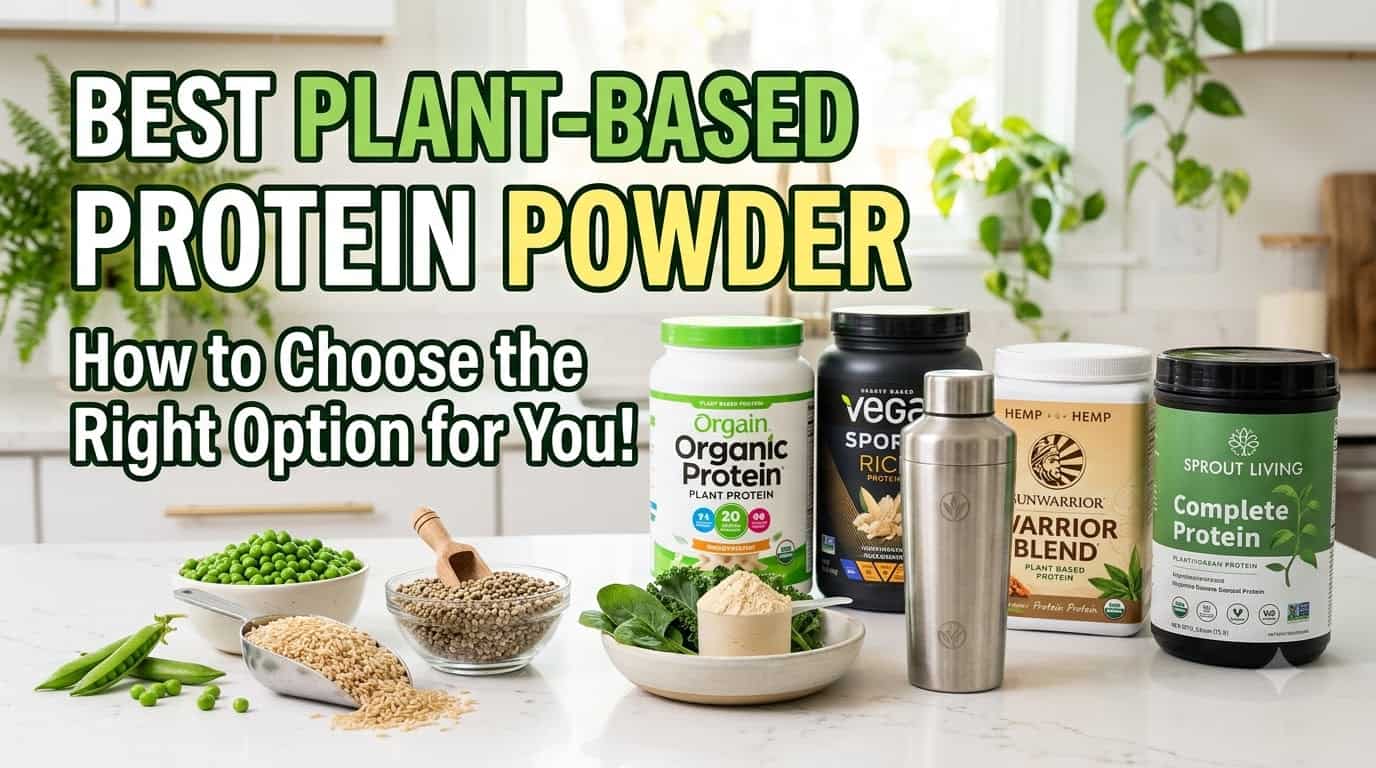
Finding the best plant based protein powder can feel confusing. There are many products available, and they may contain pea protein, soy protein, brown rice protein, hemp protein, pumpkin seed protein, or a blend of several plant ingredients.
The best choice is not necessarily the most expensive product or the one with the biggest marketing claims. A good plant-based protein powder should fit your dietary preferences, budget, taste preferences, and nutritional needs.
For many people, protein powder is simply a convenient way to add protein to a smoothie, breakfast, or meal after exercise. It does not need to replace normal meals, and it is not required for everyone. Foods such as beans, lentils, chickpeas, tofu, soy foods, nuts, seeds, and other protein-rich foods can also contribute protein to a balanced diet.
This guide explains the different types of plant protein powder, what to look for on the label, common mistakes to avoid, and how to choose the best option for your routine.
What Is Plant Based Protein Powder?
Plant based protein powder is a powdered supplement made using protein from plant sources.
Common sources include:
- Peas
- Soybeans
- Brown rice
- Hemp seeds
- Pumpkin seeds
- Sunflower seeds
- Other plant ingredients
Some products contain only one source of protein. Others use a blend of two or more plant proteins.
For example, a powder may combine pea and rice protein. Another product may contain protein from peas, seeds, and grains.
The ingredients, taste, texture, protein content, and additional ingredients can differ significantly between products.
That is why it is important to read the label instead of assuming that every vegan protein powder is the same.
Healthy Grocery List for Weight Loss
Why Do People Use Plant Based Protein Powder?
People may choose a plant-based protein powder for different reasons.
Some avoid dairy because of personal preference or dietary restrictions. Others follow a vegetarian or vegan eating pattern. Some simply enjoy the taste or prefer plant-based products.
A protein powder can also be convenient when preparing food quickly.
For example, someone with a busy morning might add a suitable protein powder to a smoothie along with fruit and other ingredients.
Someone who exercises may use protein powder as one part of a meal or snack.
However, protein powder is not a magic product.
It does not automatically build muscle, cause fat loss, or create a healthy diet. Your overall food intake, exercise habits, health, and individual nutritional needs are all important.
Best Vitamins for Adults – What You Need to Know
Different Types of Plant Based Protein Powder
Pea Protein
Pea protein is one of the most common ingredients in vegan protein powders.
It is often made using yellow peas and may be sold alone or combined with other plant proteins.
Some people choose pea protein because it is dairy-free and widely available.
The taste and texture can vary between brands. Some powders have a mild flavor, while others may have a stronger taste.
If you are trying pea protein for the first time, purchasing a smaller package can be useful before buying a large container.
Soy Protein
Soy protein is another plant-based protein option.
Soy foods include products such as tofu, tempeh, and soy milk, while soy protein powder is a more concentrated supplement.
Some people prefer soy protein because it is a familiar plant protein source.
However, people with a soy allergy should avoid products containing soy.
Always check the ingredient and allergen information on the package.
Brown Rice Protein
Brown rice protein is made from rice.
It is often included in plant protein blends.
A blend of different plant proteins may provide a different nutritional and amino acid profile than a single-source powder.
Taste and texture are important factors to consider because some rice protein powders may feel different in a drink compared with other products.
Hemp Protein
Hemp protein comes from hemp seeds.
It may have a more noticeable nutty or earthy flavor compared with some other protein powders.
Hemp protein products can also differ in texture depending on how they are processed.
Multi-Source Plant Protein Blends
Many vegan protein powders combine several ingredients.
A blend might include:
- Pea protein
- Rice protein
- Pumpkin seed protein
- Sunflower seed protein
- Hemp protein
A blended product may appeal to people who want protein from several plant sources.
However, more ingredients do not automatically mean the product is better.
Always look at the actual nutrition information and ingredient list.
Paleovalley Bone Broth Protein – Benefits, Ingredients and FAQ
What Should You Look for When Choosing the Best Plant Based Protein Powder?
The phrase best plant based protein powder means different things for different people.
One person may prioritize high protein content.
Another may want fewer ingredients.
Someone else may need a product without soy or gluten.
Instead of looking only at the front of the package, check the full label.
Check the Protein Amount Per Serving
Look at how much protein the product provides in one serving.
Different products can provide different amounts.
Also check the serving size.
A product may appear to provide a large amount of protein, but the scoop may be much larger than another product.
Comparing the full nutrition label can give you a clearer picture.
Read the Ingredient List
A simple ingredient list may be preferable for some people.
Other products contain many additional ingredients, including:
- Sweeteners
- Flavorings
- Thickeners
- Vitamins
- Minerals
- Other supplements
More ingredients are not automatically bad, but you should know what you are consuming.
If you prefer a plain protein powder, look for a product that matches that preference.
Consider Added Sugar
Flavored protein powders may contain added sugar or other sweeteners.
Check the nutrition label rather than assuming that a product is low in sugar because it is marketed as healthy.
If you want more control over sweetness, an unflavored powder may allow you to add your own fruit or other ingredients.
Think About Taste
A nutritionally suitable product is not very useful if you dislike drinking it.
Taste is personal.
Some people enjoy vanilla or chocolate flavors. Others prefer unflavored powder.
Consider starting with a smaller package if you are unsure about a product.
Check for Allergens
Read the allergen information carefully.
A product may contain ingredients that are not suitable for everyone.
Common concerns can include:
- Soy
- Nuts
- Gluten-containing ingredients
- Other allergens
People with food allergies should be especially careful and consult a qualified healthcare professional when needed.
Look at the Full Nutrition Label
Do not focus only on protein.
Also consider:
- Calories
- Carbohydrates
- Added sugars
- Fat
- Sodium
- Other ingredients
The best option depends on how you plan to use the powder.
For example, a meal replacement product may be designed differently from a simple protein supplement.
Best Food for Friends – Simple Ideas for Every Gathering
Plant Protein Powder vs Whole Foods
Protein powder can be convenient, but whole foods should not be forgotten.
Plant foods such as:
- Beans
- Lentils
- Chickpeas
- Tofu
- Tempeh
- Nuts
- Seeds
can contribute protein while also providing other nutrients.
For example, a normal meal made with lentils, vegetables, and grains provides more than protein alone.
Protein powder can be useful when convenience is important, but it does not need to replace every meal.
A practical approach is to build most meals around ordinary foods and use supplements only when they are useful for your lifestyle.
Readers can also explore related nutrition topics on Helping99.com, including cheap high protein meals, high protein diet for weight loss, and food supplement vitamins.
Is Plant Based Protein Powder Good for Weight Loss?
A plant protein powder does not automatically cause weight loss.
No powder can independently burn body fat.
Weight management is influenced by many factors, including your overall eating pattern, activity level, sleep, health, and individual energy needs.
However, a protein-rich food or drink may fit into a balanced eating plan.
For example, someone may use a smoothie containing protein powder, fruit, and other ingredients as a convenient breakfast.
But the final nutritional value depends on everything added to the smoothie.
A drink containing protein powder plus large amounts of sweeteners and high-calorie ingredients may be very different from a simple smoothie.
If weight management is your goal, focus on your overall eating habits rather than searching for a single “fat-burning” supplement.
Best Foods for a Heart Healthy Diet and Lifestyle
How to Use Plant Based Protein Powder
There are many simple ways to use plant protein powder.
Add It to a Smoothie
A basic smoothie might include:
- Plant protein powder
- Fruit
- A suitable milk or plant-based beverage
- Ice
You can adjust the ingredients based on your preferences.
Mix It With Water
This is one of the simplest methods.
However, some powders may mix better with a shaker or blender.
Follow the serving instructions on the product.
Add It to Oats
Some people mix protein powder into oatmeal.
You may need to adjust the amount of liquid because different powders can change the texture.
Mix It Into Yogurt
If your dietary pattern includes yogurt, a suitable protein powder can sometimes be mixed into it.
Add gradually and stir well to avoid lumps.
Use It in Recipes
Some people add protein powder to foods such as pancakes or other homemade recipes.
Remember that heating and mixing can change the texture.
Food Supplement Vitamins – Benefits, Types and Safe Use
Common Mistakes When Buying Plant Protein Powder
Buying Only Based on Marketing
Words such as “natural,” “clean,” or “premium” do not automatically tell you whether a product is right for you.
Read the full ingredient list and nutrition information.
Choosing the Biggest Container First
If you have never tried a product, buying a very large package may not be the best idea.
Taste and texture are personal.
A smaller package can help you decide whether you enjoy it.
Ignoring Added Ingredients
Some people only look at the grams of protein.
Check the entire ingredient list.
A product may contain sweeteners, flavorings, or other ingredients you do not want.
Using Protein Powder as Every Meal
Protein powder can be convenient, but a varied diet is important.
Whole foods provide a wider range of nutrients and can add different textures and flavors to meals.
Expecting Instant Results
Protein powder is not a shortcut.
Results related to fitness, body composition, or weight management depend on many factors.
Omega 3 Food Supplement Guide – Types, Uses and Safety
Common Myths About Plant Based Protein Powder
Myth: Plant Protein Is Always Inferior
Plant protein products can differ widely depending on their source and formulation.
A varied diet can include many different plant protein foods.
Rather than assuming that one source is automatically better for every person, consider the complete diet and individual needs.
Myth: Vegan Protein Powder Automatically Causes Weight Loss
A product being vegan does not mean it causes weight loss.
Calories, ingredients, serving sizes, and the rest of your diet still matter.
Myth: More Protein Is Always Better
Your individual protein needs are not necessarily the same as someone else’s.
Taking excessive amounts of supplements is not automatically beneficial.
If you are unsure about your nutritional needs, ask a registered dietitian or another qualified healthcare professional.
Myth: All Plant Protein Powders Taste the Same
Taste and texture vary greatly.
The plant source, flavoring, sweetener, and processing method can all affect the final product.
Myth: Protein Powder Can Replace All Whole Foods
Protein powder is a supplement, not a complete replacement for a varied diet.
Vegetables, fruits, legumes, whole grains, nuts, seeds, and other foods contribute nutrients beyond protein.
High Protein Diet for Weight Loss – Foods, Meals and Tips
How to Choose a Powder for Your Goal
For Everyday Convenience
Choose a product you enjoy and can easily use in your normal routine.
A simple ingredient list may be helpful if you prefer fewer added ingredients.
For Exercise
Consider your overall diet and how much protein you already get from food.
A protein shake may be convenient after exercise, but it should fit into your overall eating pattern.
For a Vegan Diet
Check that the product is suitable for your dietary requirements.
Also remember to eat a variety of plant foods rather than relying only on powder.
For Weight Management
Avoid expecting a supplement to do all the work.
Consider the total calories and ingredients in the drink or recipe you create.
Choose meals and snacks that are satisfying and sustainable.
Tips for Making Plant Protein Shakes Taste Better
If your powder tastes too plain or earthy, try adding:
- Banana
- Berries
- Cocoa powder
- Cinnamon
- Peanut butter
- Ice
Choose ingredients based on your dietary preferences and goals.
You can also try changing the amount of liquid.
A thicker smoothie may taste different from a thin shake.
Blending thoroughly can improve texture.
Liquid Collagen Guide – Ingredients, Uses and Safety Tips
Who Should Be Careful With Protein Supplements?
People with certain health conditions or dietary restrictions may need individual advice before using supplements regularly.
People with:
- Kidney disease
- Food allergies
- Special dietary requirements
- Other medical conditions
should speak with an appropriate healthcare professional when necessary.
Also check all ingredients if you take medications or use other supplements.
More supplements do not always mean better nutrition.
A Simple Checklist Before Buying
Before choosing the best plant based protein powder for yourself, ask:
- What is the main protein source?
- How much protein does one serving provide?
- What is the serving size?
- Does it contain added sugar or sweeteners?
- Are there ingredients I want to avoid?
- Does it contain an allergen that affects me?
- Do I prefer flavored or unflavored powder?
- Does the price fit my budget?
- How will I actually use it?
- Do I really need a protein powder, or can food meet my needs?
This checklist can help you compare products more carefully.
Conclusion
The best plant based protein powder is not necessarily the most expensive or heavily advertised option. The right choice depends on your personal needs, dietary preferences, budget, taste, and the ingredients in the product.
Pea, soy, rice, hemp, and blended plant proteins can all be found in modern protein powders. Instead of choosing based only on marketing claims, read the nutrition label, check the protein source, review added ingredients, and consider how the powder will fit into your everyday diet.
Remember that protein powder is a supplement. It can be convenient, especially when you need a quick option, but it does not replace a varied diet based on nutritious foods.
Beans, lentils, chickpeas, tofu, vegetables, fruits, whole grains, nuts, and seeds can all contribute to a balanced eating pattern.
Start by identifying what you actually need. Then choose a product that fits your lifestyle and use it as one useful tool rather than expecting it to be a complete solution for nutrition, fitness, or weight management.
Frequently Asked Questions About the Best Plant Based Protein Powder
What is the best plant based protein powder?
There is no single best product for everyone. A good choice depends on the protein source, ingredients, nutritional information, taste, dietary restrictions, and your budget. Reading the full label is important.
Is pea protein better than rice protein?
Neither is automatically best for everyone. Pea and rice protein can have different characteristics, tastes, and formulations. Some products combine multiple plant protein sources.
Is soy protein suitable for a vegan diet?
Soy is a plant-based food, and soy protein can be suitable for a vegan diet when the complete product contains no animal-derived ingredients. Always check the label.
Can I use plant protein powder every day?
Some people use protein powder regularly, but whether you need it depends on your diet and individual nutritional requirements. Whole foods should remain an important part of a varied diet.
Can plant based protein powder help build muscle?
Protein is important for maintaining and building body tissues, including muscle, and exercise is also an important factor. Your total diet, training, and individual needs matter more than simply choosing a particular powder.
Is plant protein powder good for weight loss?
It can fit into a weight-management diet, but it does not directly cause weight loss. Your overall eating pattern and lifestyle habits are important.
Should I choose flavored or unflavored plant protein powder?
Choose the option you are most likely to enjoy and use. Unflavored powders can offer more flexibility, while flavored products may be more convenient. Check the ingredient and nutrition labels for either option.
Do I need a plant protein powder if I eat beans and lentils?
Not necessarily. Many people can get protein from ordinary foods. A powder may be useful for convenience, but it is not essential for everyone.
Best Free Artificial Intelligence Tools | 100% Free Tools