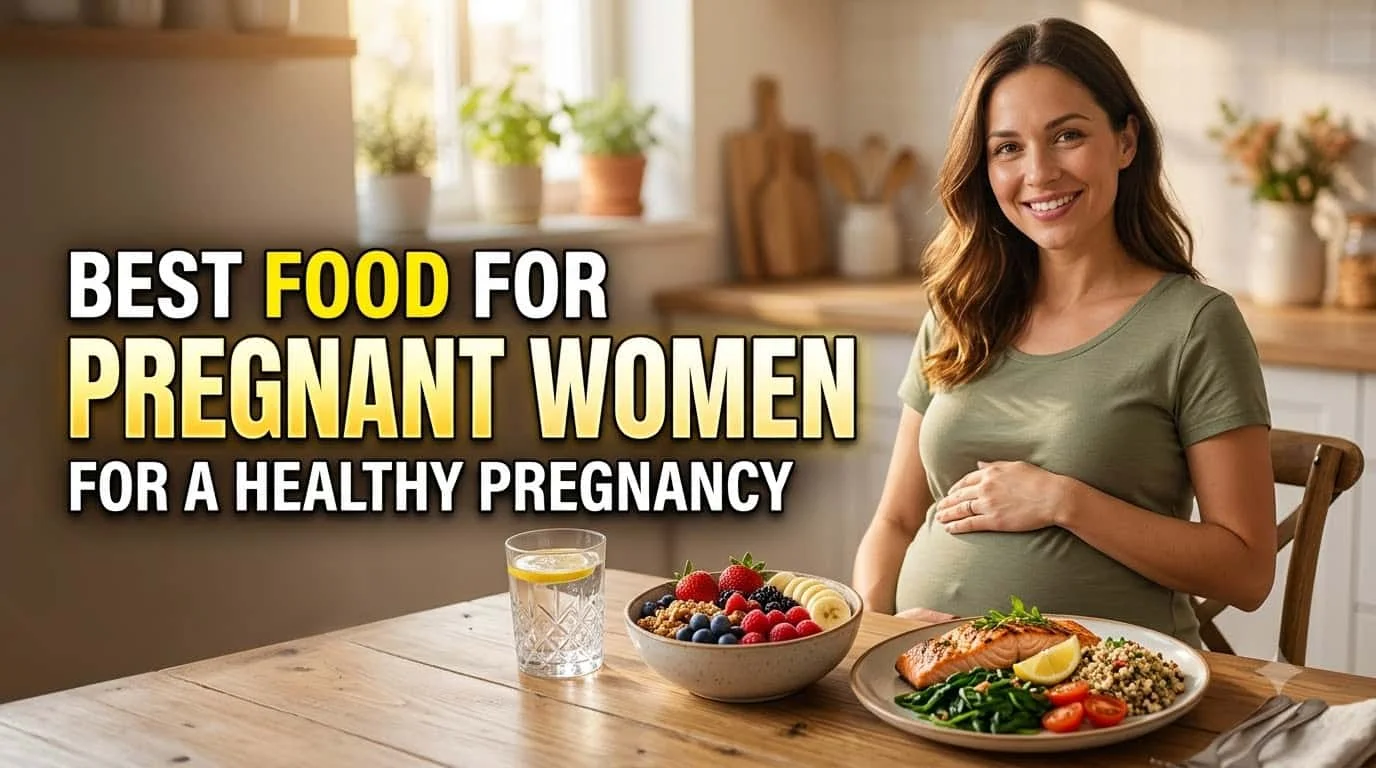
Best Food for Pregnant Women for a Healthy. Pregnancy is an important time for paying attention to food and nutrition. The body goes through many changes, and the developing baby depends on the mother’s health and nutrition. However, choosing food for pregnant women does not have to be confusing or expensive.
A healthy pregnancy diet does not mean eating perfectly every day. It also does not mean following strict diets or eating large amounts of food. The main goal is to eat a variety of nutritious foods, drink enough fluids, and follow the advice of your healthcare professional.
This guide explains the best types of food for pregnant women, important nutrients, practical meal ideas, foods that may need extra care, and common pregnancy nutrition myths.
Food for Thought – A Simple Guide to Balanced Eating
Why Nutrition Matters During Pregnancy
Food provides energy and nutrients that support the mother’s body and the baby’s growth and development. During pregnancy, the body needs a balanced supply of nutrients rather than simply a large amount of extra food.
A healthy eating pattern can include:
- Vegetables
- Fruits
- Whole grains
- Protein-rich foods
- Dairy foods or suitable alternatives
- Healthy fats
- Plenty of fluids
Individual nutritional needs can differ. Age, body size, activity level, stage of pregnancy, medical conditions, and pregnancy complications can all affect dietary advice.
For this reason, personalized guidance from a doctor or qualified dietitian is important, especially if you have a medical condition, severe nausea, diabetes, high blood pressure, anemia, or another pregnancy-related concern.
Food Allergy Symptoms, Triggers, and Prevention Tips
Important Nutrients During Pregnancy
Rather than searching for one “perfect” food for pregnant women, it is better to understand the nutrients that come from a balanced diet.
Protein
Protein is an important nutrient for many functions in the body and is needed during periods of growth.
Good protein foods can include:
- Eggs
- Beans
- Lentils
- Chickpeas
- Fish and seafood that are appropriate for pregnancy
- Lean meat
- Poultry
- Yogurt
- Milk
- Cheese
- Tofu and other soy foods
- Nuts and seeds
Try to include a protein source in meals and snacks. For example, instead of eating fruit alone, you could have fruit with yogurt or a small handful of nuts if appropriate for you.
Dr. Kellyann Bone Broth Guide for Healthy Eating
Folate and Folate-Rich Foods
Folate is an important nutrient during pregnancy. It is found naturally in several foods, including:
- Leafy green vegetables
- Beans
- Lentils
- Citrus fruits
- Avocados
Pregnancy supplements may also be recommended by healthcare professionals. Do not assume that food alone provides everything you personally need. Follow professional advice about prenatal vitamins and supplements.
Iron
Iron is another important nutrient during pregnancy. Foods that can contribute iron include:
- Lean meat
- Beans
- Lentils
- Chickpeas
- Tofu
- Leafy green vegetables
- Iron-fortified foods
Some people may need an iron supplement, but supplementation should be discussed with a healthcare professional. Taking more than needed is not always beneficial.
Pairing plant-based iron foods with foods containing vitamin C may be helpful for dietary iron absorption. For example, a meal containing lentils could also include tomatoes, bell peppers, or citrus fruit.
Best Foods for Asthma and Healthy Eating Tips
Calcium
Calcium is important for the body and can be obtained from foods such as:
- Milk
- Yogurt
- Cheese
- Calcium-fortified alternatives
- Tofu made with calcium, depending on the product
If you do not eat dairy, check with a qualified healthcare professional about suitable alternatives and your overall nutrient intake.
Vitamin D
Vitamin D is another nutrient that may receive attention during pregnancy. Food sources are limited, and individual recommendations about supplements can differ.
Ask your doctor or healthcare professional whether a vitamin D supplement is appropriate for you.
Healthy Fats
Healthy fats are part of a balanced diet. Foods containing unsaturated fats include:
- Avocados
- Nuts
- Seeds
- Certain vegetable oils
- Some fish
Nuts and seeds can be a convenient snack, but portion size matters because they are energy-dense.
Best Foods for Asthma and a Healthy Balanced Diet
Vegetables: An Important Part of a Pregnancy Diet
Vegetables provide a variety of nutrients and fiber. Eating different colors can naturally add variety to your diet.
Examples include:
- Spinach and other leafy greens
- Carrots
- Tomatoes
- Broccoli
- Bell peppers
- Green beans
- Sweet potatoes
- Cauliflower
You do not need to eat every vegetable every day. The goal is to create variety over time.
Simple ways to eat more vegetables include adding them to:
- Omelets
- Soups
- Lentil dishes
- Rice meals
- Sandwiches
- Salads
- Homemade curries
If nausea makes some vegetables difficult to eat, speak with your healthcare provider rather than forcing yourself to follow an unrealistic diet.
Fruits for Pregnant Women
Fruit can provide vitamins, minerals, water, and fiber.
Easy choices include:
- Bananas
- Oranges
- Apples
- Pears
- Berries
- Mangoes
- Grapes
- Melons
Whole fruit is generally a more filling choice than drinking large amounts of fruit juice because whole fruit also contains fiber.
Wash fresh produce carefully before eating it.
Foods to Avoid With Asthma – What You Need to Know
Whole Grains and Carbohydrates
Carbohydrates provide energy. Pregnancy is not automatically a reason to remove carbohydrates from the diet.
Nutritious carbohydrate sources can include:
- Oats
- Brown rice
- Whole-grain bread
- Whole-wheat roti
- Whole-grain pasta
- Potatoes
- Other grains and cereals
Choosing higher-fiber foods when suitable can help create more satisfying meals.
Instead of thinking that carbohydrates are “good” or “bad,” focus on food quality, variety, and your individual health needs.
Dairy and Suitable Alternatives
Milk, yogurt, and cheese can provide protein and other nutrients. If you do not consume dairy, fortified alternatives may be available.
Choose products appropriate for pregnancy and follow food-safety advice. If you are unsure about a particular product, ask your healthcare professional.
A Simple Healthy Plate for Pregnancy
A simple way to plan meals is to include different food groups.
For example, a meal could contain:
- A vegetable or salad
- A protein source
- A carbohydrate source such as rice, roti, oats, or potatoes
- A source of healthy fat
Examples include:
Breakfast: Oats with milk or a suitable alternative, fruit, and nuts.
Lunch: Rice or whole-grain roti with lentils, vegetables, and yogurt.
Dinner: Cooked vegetables with a protein source and a whole-grain carbohydrate.
Snack: Fruit with yogurt, nuts, or another suitable protein-rich food.
These are general examples, not a personal medical meal plan.
Tillamook Ice Cream Review – Everything You Need to Know
Practical Food Ideas for Pregnant Women
Healthy meals do not need complicated recipes.
Eggs and Whole-Grain Toast
A cooked egg meal with whole-grain toast and vegetables can provide a combination of protein and carbohydrates.
Lentil and Vegetable Meal
Lentils combined with vegetables and rice or roti can be an affordable and nutritious meal.
Yogurt and Fruit
Plain yogurt with fresh fruit can be a convenient snack. Choose products based on your personal dietary needs.
Oatmeal With Fruit
Oats can be combined with milk or a suitable alternative, fruit, and nuts or seeds.
Bean and Vegetable Bowl
Beans, cooked vegetables, grains, and a small amount of healthy fat can create a satisfying meal.
What About Eating for Two?
One of the most common pregnancy myths is that a pregnant woman must literally eat twice as much food.
Pregnancy nutrition is more complicated than simply doubling food intake.
The focus should be on nutritional quality and appropriate intake for the individual. Your healthcare provider can give guidance based on your stage of pregnancy and personal circumstances.
Eating much more food than your body needs is not necessarily healthier. At the same time, strict dieting or trying to lose weight during pregnancy without medical guidance can also be inappropriate.
Hydration During Pregnancy
Water is an important part of a healthy diet.
Individual fluid needs can vary based on climate, activity, health, and other factors. Drinking water regularly and following professional advice can help you maintain adequate hydration.
Water-rich foods such as fruits and vegetables can also contribute fluids.
If you experience severe vomiting or have difficulty keeping fluids down, contact a healthcare professional.
Best Seafood for Weight Loss and Healthy Eating
Managing Nausea and Food Aversions
Pregnancy nausea can make healthy eating difficult. Some people may find that large meals are uncomfortable.
Practical strategies may include:
- Eating smaller meals
- Eating when you feel able
- Keeping simple foods available
- Avoiding foods or smells that make nausea worse
- Drinking fluids throughout the day when tolerated
Do not feel guilty if your diet is temporarily less varied during periods of nausea. If you cannot eat or drink enough, seek medical advice.
Food Safety During Pregnancy
Food safety is especially important during pregnancy.
General precautions include:
- Wash fruits and vegetables thoroughly.
- Keep raw and cooked foods separate.
- Cook foods thoroughly when appropriate.
- Store food safely.
- Follow guidance on foods that should be avoided or handled carefully during pregnancy.
Recommendations can vary by country and individual health situation. Your doctor or local health authority can provide the most appropriate advice for where you live.
Fish and Seafood During Pregnancy
Fish can be part of a healthy diet, but pregnancy involves additional considerations regarding food safety and certain types of fish.
The best choice depends on the type of seafood and local recommendations. Instead of avoiding all fish automatically, ask a healthcare professional or consult official local pregnancy guidance.
Proper cooking and food safety are important.
Caffeine and Pregnancy
Caffeine intake is another topic to discuss with a healthcare professional. Coffee, tea, energy drinks, and some other products can contain caffeine.
Recommendations may vary, and some people may need personalized advice.
If you regularly consume a large amount of caffeine, discuss your intake with your healthcare provider.
Supplements Are Not a Replacement for Food
Prenatal vitamins and supplements may be recommended during pregnancy, but supplements are not a replacement for a varied diet.
It is also important not to take multiple supplements without understanding the ingredients. Combining products can sometimes result in taking more of a nutrient than intended.
Tell your doctor about all vitamins, herbal products, powders, and supplements you use.
Best Plant Based Protein Powder for Your Diet and Lifestyle
Common Myths About Food for Pregnant Women
Myth: Pregnant women must eat double portions
Pregnancy does not simply mean eating twice as much. Individual nutritional needs should be discussed with a healthcare professional.
Myth: Healthy food must be expensive
Affordable foods can contribute to a nutritious diet. Examples include:
- Eggs
- Beans
- Lentils
- Seasonal vegetables
- Seasonal fruit
- Oats
- Rice
- Whole grains
Planning meals and reducing food waste can also help manage grocery costs.
Myth: Supplements can replace meals
Supplements may provide specific nutrients, but they do not replace the variety of nutrients and other components found in a balanced diet.
Myth: All cravings should be ignored
Cravings are common, but the best approach depends on the situation. A food can sometimes be enjoyed as part of an overall balanced eating pattern. Discuss unusual cravings or cravings involving non-food items with a healthcare professional.
Myth: Pregnancy requires a perfect diet every day
Healthy eating is about overall patterns. One meal or snack does not define your entire diet.
A Simple One-Day Meal Example
Here is a general example of how a day might include a variety of foods.
Breakfast: Oatmeal with fruit and milk or a suitable alternative.
Morning snack: Fruit with yogurt.
Lunch: Rice or roti with lentils, cooked vegetables, and a side salad prepared safely.
Afternoon snack: A small handful of nuts or another suitable snack.
Dinner: A protein-rich food with vegetables and a carbohydrate source.
Evening: Water or another suitable drink if needed.
This example is not intended as a personalized pregnancy diet. People with conditions such as gestational diabetes, food allergies, kidney problems, or other medical concerns may need different guidance.
How to Build Better Eating Habits During Pregnancy
You do not need to change everything overnight.
Start with small improvements.
Plan Simple Meals
Choose a few easy breakfasts, lunches, and dinners that you enjoy.
Keep Nutritious Foods Available
Having fruit, yogurt, cooked beans, eggs, or other convenient foods available can make meal choices easier.
Do Not Skip Medical Advice
Online information can be helpful, but your pregnancy care team understands your medical situation.
Focus on Variety
You do not need one special “superfood.” Eating different foods over time can provide a wider range of nutrients.
Be Flexible
Pregnancy symptoms and appetite can change. Adjusting meals while maintaining good nutrition is often more realistic than following rigid rules.
Conclusion
Choosing the right food for pregnant women does not require a perfect or complicated diet. The most useful approach is usually to focus on variety, balanced meals, food safety, hydration, and professional guidance.
Vegetables, fruits, protein foods, whole grains, and suitable sources of healthy fats can all play a role in a healthy eating pattern. Affordable foods such as beans, lentils, eggs, oats, seasonal produce, and whole grains can also make nutritious meals easier to prepare.
Pregnancy is different for every person. Medical conditions, medications, allergies, nausea, and pregnancy complications can all affect dietary needs. For that reason, use general nutrition information as a starting point and discuss important food and supplement decisions with your doctor or a qualified healthcare professional.
For more healthy eating ideas, readers can also explore related nutrition and healthy food articles on Helping99.com
Frequently Asked Questions About Food for Pregnant Women
What is the best food for pregnant women?
There is no single best food. A healthy pregnancy diet usually includes a variety of vegetables, fruits, protein foods, whole grains, and suitable sources of healthy fats.
How many meals should a pregnant woman eat each day?
There is no single number that is best for everyone. Some people prefer regular meals, while others find smaller, more frequent meals easier because of nausea or heartburn.
Can pregnant women eat eggs?
Eggs can be part of a healthy pregnancy diet when they are handled and cooked according to appropriate food-safety guidance. Follow local recommendations and advice from your healthcare professional.
Is fruit good during pregnancy?
Fruit can provide vitamins, minerals, water, and fiber. Eating a variety of fruits can be part of a balanced pregnancy diet.
Should pregnant women avoid all seafood?
No single answer applies to every type of seafood. Some seafood can be included in pregnancy diets, while certain types may require limits or avoidance. Follow local official guidance and advice from your healthcare professional.
Do prenatal vitamins replace healthy food?
No. Prenatal vitamins can help provide specific nutrients when recommended, but they do not replace a balanced diet.
Is it safe to diet during pregnancy?
Do not start a restrictive diet or try to lose weight during pregnancy without medical guidance. Speak with your doctor about healthy eating and appropriate weight management for your individual situation.
What should I do if I cannot eat because of nausea?
Try simple foods and smaller meals if tolerated, and focus on fluids when possible. Contact a healthcare professional if nausea or vomiting is severe or if you are unable to keep enough food or fluids down.
Best Free Artificial Intelligence Tools | 100% Free Tools