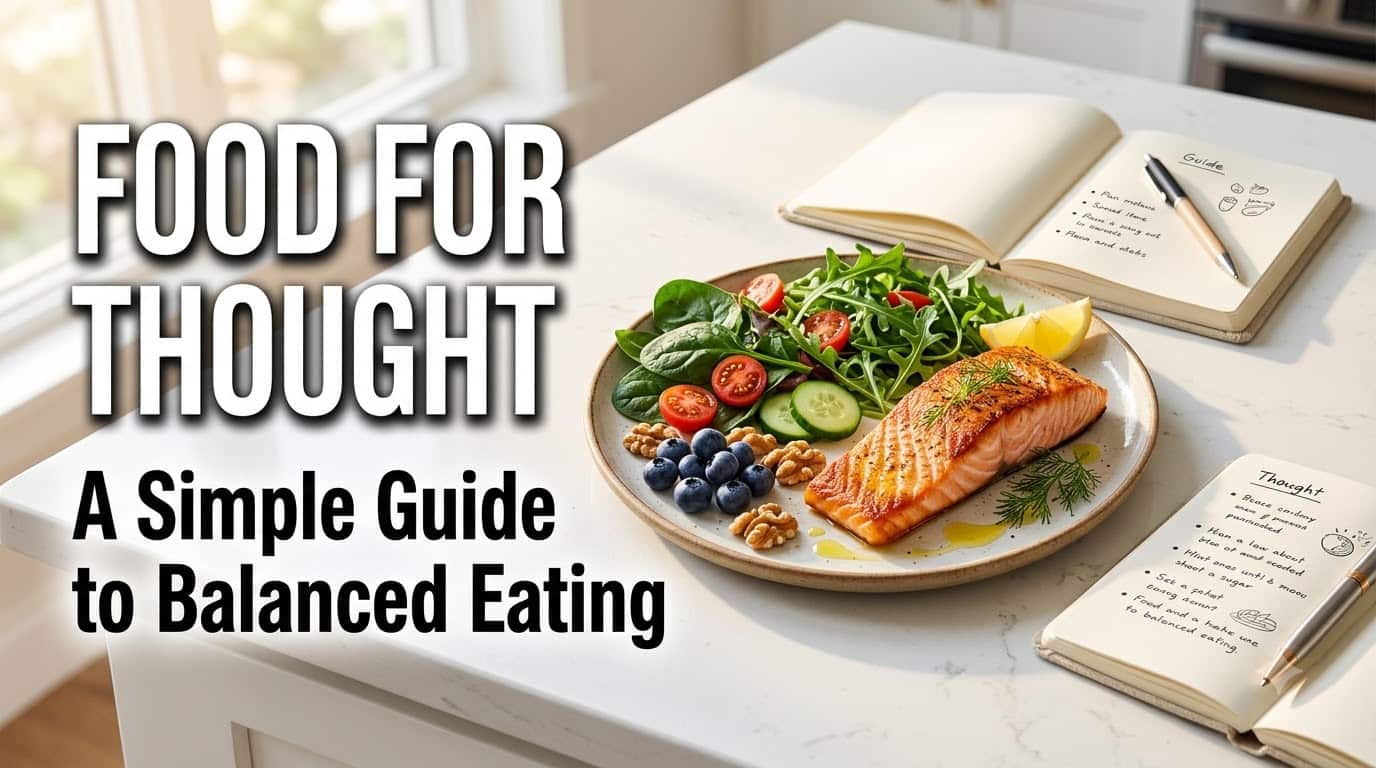
The phrase “food for thought” usually means something that gives us an idea to think about carefully. But when we talk about food and health, the phrase can have another useful meaning. The foods we choose every day can influence our routines, energy, enjoyment of meals, and overall nutrition.
Food is more than something we eat when we feel hungry. It is part of family life, culture, celebrations, friendships, and daily routines. A simple meal can bring people together, while thoughtful food choices can help us build a more balanced eating pattern.
In a busy world filled with diet trends, social media advice, and quick promises, it is easy to become confused about what healthy eating really means. One person says carbohydrates are bad. Another says you should avoid all fats. Someone else promotes an expensive supplement or a strict diet.
The truth is often less dramatic. For most people, healthy eating is not about finding one perfect food or following a complicated rule. It is about looking at overall eating habits and making practical choices that can be maintained over time.
This article provides some useful food for thought about nutrition, meal planning, mindful eating, common myths, and building a healthier relationship with food.
Food Allergy Symptoms, Triggers, and Prevention Tips
What Does Food for Thought Mean?
Food for thought is an English expression that describes an idea worth considering carefully. For example, someone may share a piece of advice that makes you stop and think. You might say, “That gives me some food for thought.”
When applied to healthy eating, the phrase can encourage us to think more carefully about our food choices.
Questions worth considering include:
- What foods do I eat most often?
- Do my meals contain a variety of foods?
- Am I eating because I am hungry, bored, stressed, or following a routine?
- Do I enjoy my meals?
- Are there simple changes that could improve my eating habits?
- Am I following advice that is realistic and trustworthy?
These questions do not require perfection. They simply encourage awareness.
Healthy eating is not about judging every meal. One snack, dessert, or restaurant meal does not determine the quality of a person’s overall diet. What usually matters more is the pattern of choices made over time.
Dr. Kellyann Bone Broth Guide for Healthy Eating
Why Thinking About Food Choices Matters
Many people eat the same foods regularly without thinking much about their overall eating pattern. This is understandable. Busy schedules can make convenience a priority.
Thinking about food choices does not mean becoming obsessed with every ingredient. Instead, it means occasionally looking at the bigger picture.
For example, imagine someone who usually skips breakfast, eats packaged snacks during the day, and orders a large takeaway meal every evening because they are tired.
Instead of trying to change everything immediately, they could think about one practical improvement. Perhaps they could prepare simple groceries in advance, keep fruit available, or cook a basic meal several times per week.
Small changes are often easier to maintain than dramatic changes.
This is one important piece of food for thought: the best eating plan is usually one that fits your real life.
Best Foods for Asthma and Healthy Eating Tips
A Healthy Diet Is About Balance, Not Perfection
A common misconception is that healthy eating requires eating only certain “perfect” foods. In reality, most people benefit from variety and balance rather than extreme rules.
A balanced eating pattern may include foods such as:
- Vegetables
- Fruits
- Beans and lentils
- Whole grains
- Suitable protein sources
- Nuts and seeds when appropriate
- Dairy or suitable alternatives
- Foods that provide healthy fats
Individual needs can vary because of age, activity level, allergies, medical conditions, culture, and personal preferences.
For example, a person with food allergies may need to avoid certain foods, while another person may choose a vegetarian eating pattern.
You can also explore nutrition-related topics such as organic foods and other healthy eating ideas when building a diet that suits your individual needs.
The goal should not be to copy another person’s diet exactly. Instead, focus on finding an approach that is practical, enjoyable, and nutritionally appropriate for you.
Food Is More Than Nutrition
Nutrition is important, but food also has emotional and social meaning.
Families share meals. Friends meet at restaurants. People prepare traditional foods during festivals and celebrations. Cooking can also be a creative hobby.
Because food has such a strong connection with daily life, it is not always helpful to think about food only in terms of calories or rules.
For example, sharing a favorite family meal can be an enjoyable experience. A healthy lifestyle should have room for enjoyment.
Food for thought can therefore include this important question: Can I improve my eating habits without making food a source of constant stress?
For many people, the answer is yes. Healthy habits can exist alongside enjoyable foods and social meals.
Best Foods for Asthma and a Healthy Balanced Diet
The Importance of Variety
Eating a variety of foods can make meals more interesting and help create a broader overall eating pattern.
Imagine eating exactly the same meal every day. It may be convenient, but it can become boring.
Adding variety does not have to be complicated.
You might:
- Try a different vegetable each week.
- Use different beans or lentils in meals.
- Change your fruit choices based on availability.
- Experiment with new spices and herbs.
- Try different cooking methods.
- Rotate protein sources.
For example, one dinner could include lentils and vegetables, while another could include fish, rice, and salad. A vegetarian meal might use beans, tofu, or other suitable protein foods.
Simple variety can make healthy eating more enjoyable.
Planning Meals Can Make Healthy Eating Easier
Meal planning does not require preparing every meal for an entire month.
Even basic planning can help.
Before shopping, consider what meals you are likely to eat during the next few days. Then create a grocery list.
A simple list might include:
- Vegetables
- Fruits
- Protein foods
- Grains or other carbohydrate foods
- Ingredients for simple meals
- Healthy snacks
Planning can also help reduce unnecessary food waste.
For example, if you buy spinach, tomatoes, eggs, and whole-grain bread, you can plan several meals around those ingredients instead of buying random foods and forgetting to use them.
A useful food for thought is this: healthy eating often begins before you start cooking.
Foods to Avoid With Asthma – What You Need to Know
Simple Meal Ideas for Everyday Life
Healthy meals do not need to be expensive or complicated.
A Simple Breakfast
A breakfast might include oats with fruit and a suitable protein source, depending on individual preferences and dietary needs.
Another option could be whole-grain toast with eggs or another suitable topping.
A Simple Lunch
A balanced lunch could include:
- Rice or another grain
- Vegetables
- Beans, lentils, fish, chicken, or another suitable protein
- Fruit
A Simple Dinner
Dinner might include a vegetable-based dish, a protein source, and a carbohydrate food.
The exact ingredients can change based on culture, budget, and availability.
There is no single meal that every person must eat.
Tillamook Ice Cream Review – Everything You Need to Know
Mindful Eating: Paying Attention to Your Meals
Mindful eating is often discussed as a way to become more aware of eating habits.
It can involve noticing:
- Hunger
- Fullness
- Taste
- Texture
- Eating speed
- Emotional reasons for eating
This does not mean that every meal must be eaten in complete silence with intense concentration.
It can simply mean slowing down occasionally and paying attention.
For example, instead of eating an entire meal while scrolling on your phone, you might take a few minutes to notice whether you are enjoying the food and whether you are still hungry.
This awareness may help some people understand their habits better.
However, mindful eating is not a medical treatment and should not be presented as a solution for every eating or weight-related problem.
Understanding Hunger and Routine
Sometimes people eat because they are physically hungry. Other times, eating happens because it is a regular part of a routine.
For example, someone might always eat snacks while watching television, even when they are not particularly hungry.
This does not mean that snacks are automatically bad. The important thing is understanding your habits.
Ask yourself:
- Am I hungry?
- Am I thirsty?
- Am I bored?
- Am I stressed?
- Is this simply part of my routine?
These questions are not meant to create guilt. They can simply help you become more aware.
Best Seafood for Weight Loss and Healthy Eating
Common Food Myths Worth Questioning
The internet is full of nutrition advice. Some information is helpful, while some is oversimplified.
Myth: One Food Can Completely Transform Your Health
No single food can replace an overall healthy lifestyle.
A nutritious food can be part of a balanced diet, but it is unrealistic to expect one ingredient to solve every health problem.
Myth: All Carbohydrates Are Bad
Carbohydrates are found in many different foods, including fruits, vegetables, beans, and grains.
Different carbohydrate foods have different nutritional qualities. Rather than believing that all carbohydrates are the same, it can be more useful to look at the overall food and your individual dietary needs.
Myth: Healthy Food Must Be Expensive
Healthy eating can sometimes be affordable.
Beans, lentils, seasonal vegetables, fruits, oats, rice, and other basic foods can be practical choices depending on local availability and prices.
Frozen or canned options may also be useful in some situations, although labels can help you understand the ingredients.
Myth: You Must Follow a Perfect Diet
Perfection is not realistic.
A sustainable eating pattern should allow flexibility. Special occasions, favorite foods, and changes in routine are normal parts of life.
Food Labels: A Useful Source of Information
Food labels can help consumers understand packaged foods.
Depending on the product and local labeling rules, a package may provide information about:
- Ingredients
- Serving size
- Nutritional information
- Allergens
If you have a diagnosed food allergy, reading labels carefully is particularly important.
Ingredients and product formulations can change, so it is wise not to assume that a product is always the same.
When comparing similar products, labels can help you make choices based on your personal dietary needs.
Best Plant Based Protein Powder for Your Diet and Lifestyle
Cooking at Home
Cooking at home can provide more control over ingredients and portion sizes.
This does not mean that everyone needs to cook every meal from scratch.
Simple cooking is enough.
Examples include:
- Vegetable and lentil soup
- Rice with vegetables and beans
- Eggs with vegetables
- Grilled fish with a salad
- Whole-grain sandwiches with suitable fillings
Cooking larger portions can also save time.
For example, preparing a pot of lentils or soup may provide meals for more than one day.
The Importance of Enjoying Your Food
Healthy eating should not feel like punishment.
If you dislike every meal in your eating plan, it may be difficult to maintain.
Try finding healthy foods that you genuinely enjoy.
If you dislike boiled vegetables, perhaps you may prefer roasted vegetables with herbs and spices.
If plain oats are boring, adding fruit or other suitable ingredients may improve the taste.
The goal is not to force yourself to eat foods you hate simply because someone online calls them “healthy.”
Food and Social Life
Eating with friends and family can be an important part of life.
Social meals do not need to be avoided because you are trying to eat more healthfully.
Instead, think about the overall pattern.
You might enjoy a restaurant meal and then return to your usual routine.
One meal rarely defines an entire diet.
This is another valuable piece of food for thought: healthy habits should support your life rather than completely controlling it.
Practical Tips for Better Everyday Eating
Here are some simple ideas that may help:
- Keep easy-to-eat fruits available.
- Include vegetables in meals you already enjoy.
- Plan basic meals before grocery shopping.
- Learn a few simple recipes.
- Keep suitable protein foods available.
- Drink according to your individual hydration needs.
- Avoid making food choices based only on social media trends.
- Read labels when useful.
- Allow flexibility.
- Focus on long-term habits rather than short-term perfection.
Choose changes that are realistic for your lifestyle.
Food for Thought About Weight Loss
Weight loss is a topic surrounded by marketing claims and quick-fix promises.
There is no single food that automatically causes body fat loss. Similarly, a single meal or food does not automatically cause significant weight gain.
Weight changes can be influenced by many factors, and individual needs vary.
Extreme diets can be difficult to follow and may not be appropriate for everyone.
If weight management is a personal goal, it may be more helpful to focus on sustainable habits rather than miracle foods.
Balanced meals, suitable physical activity, adequate sleep, and professional guidance when needed can all be part of an individual’s broader approach.
For more nutrition ideas, readers can explore healthy eating and weight-related content on Helping99.com.
When You Should Seek Professional Advice
General nutrition information is useful, but it cannot replace individual medical care.
Consider seeking qualified advice if you have:
- Food allergies
- Serious digestive symptoms
- A medical condition affecting your diet
- Difficulty meeting nutritional needs
- Significant or unexplained changes in weight
- Questions about supplements or restrictive diets
A qualified healthcare professional can provide advice based on your individual situation.
Conclusion
The phrase food for thought reminds us to pause and consider our choices. When it comes to eating, this does not mean following strict rules or trying to achieve a perfect diet.
Instead, it can mean asking simple questions about our habits, choosing a variety of foods, planning meals when possible, enjoying food, and being careful about unrealistic nutrition claims.
Healthy eating does not have to be complicated. Small improvements can make a difference to everyday routines, especially when they are practical and sustainable.
Try to focus on your overall eating pattern rather than searching for one miracle food or one perfect diet. Choose foods you enjoy, explore new ingredients, and make changes that fit your lifestyle.
The best food for thought may be the simplest: good eating habits are usually built step by step, one realistic choice at a time.
Frequently Asked Questions About Food for Thought
What does “food for thought” mean?
Food for thought is an expression that means an idea worth thinking about carefully. In the context of nutrition, it can also encourage people to think more carefully about their eating habits and food choices.
Is there one perfect diet for everyone?
No. Individual dietary needs and preferences can differ. Factors such as allergies, culture, medical conditions, activity level, and personal preferences can affect what is appropriate for a person.
Do I need to avoid all treats to eat healthily?
No. A healthy eating pattern does not usually require perfection. The overall pattern of eating is generally more meaningful than one occasional food or meal.
Is healthy food always expensive?
Not necessarily. Depending on local prices and availability, foods such as beans, lentils, oats, rice, seasonal produce, and other basic ingredients may be affordable options.
Should I believe nutrition advice on social media?
It is wise to be careful. Nutrition information online can be oversimplified or designed to sell products. Consider whether the advice is realistic and supported by reliable professional guidance.
Can meal planning help me eat better?
For many people, basic meal planning can make shopping and cooking easier. Planning does not have to be complicated and can be adjusted to fit your schedule.
Is mindful eating the same as dieting?
No. Mindful eating generally focuses on awareness of eating experiences, hunger, and habits rather than following a strict list of food rules.
Should I remove foods from my diet if I feel unwell?
Do not make major long-term dietary restrictions based only on guesswork. If you repeatedly experience symptoms after eating certain foods, consider discussing the problem with a qualified healthcare professional.
Best Free Artificial Intelligence Tools | 100% Free Tools