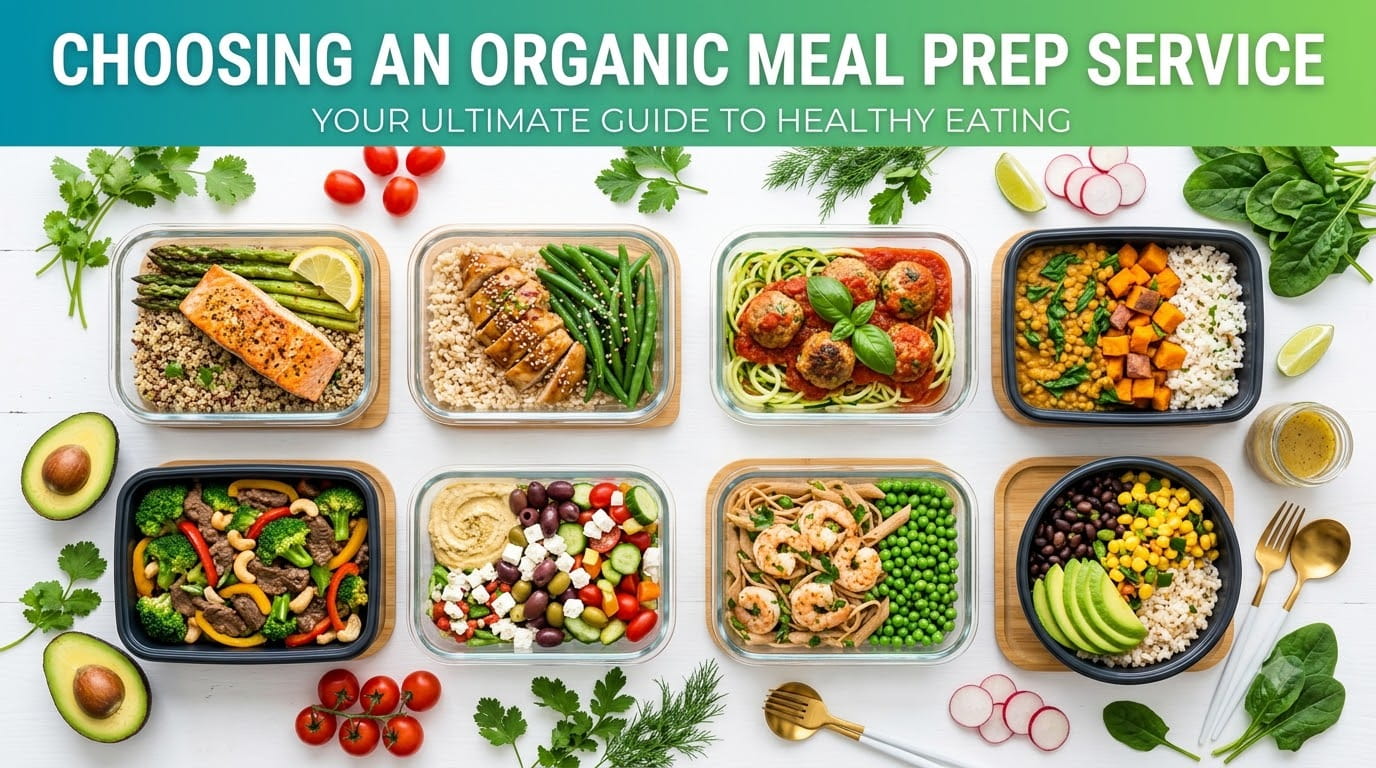
Eating well becomes much easier when healthy food is already planned and prepared. However, finding time to shop for groceries, wash vegetables, cook several meals, and clean the kitchen can be difficult when life gets busy.
That is one reason organic meal prep delivery has become an appealing option for people who want convenient meals without completely relying on restaurant food or takeout.
Organic meal prep delivery generally combines two ideas: meals are prepared in advance, and some or all of the ingredients are sourced from certified organic producers. Depending on the company, you may receive fully cooked meals that only need reheating, or prepared components that can be combined into meals at home.
But there is an important point to understand: organic does not automatically mean healthier.
A meal can contain organic ingredients and still be high in sodium, added sugar, calories, or saturated fat. Likewise, a meal does not have to be organic to contain nutritious vegetables, whole grains, beans, fruits, and other healthy foods.
The best approach is to look at the complete picture, including ingredients, nutrition, portion sizes, food quality, convenience, cost, and your own dietary needs.
What Is Organic Meal Prep Delivery?
Organic meal prep delivery is a service that prepares meals or meal components in advance and delivers them to customers.
The word “organic” refers to how certain agricultural products are produced and handled under applicable organic standards. If you are buying products labeled as certified organic, it is worth checking exactly what the certification covers rather than assuming every ingredient in the meal is organic.
Meal prep delivery can take several forms.
Fully prepared meals
These meals are already cooked and portioned.
You generally store them according to the instructions and reheat them when you are ready to eat.
Examples include:
- Organic chicken with vegetables and brown rice
- Lentil and vegetable bowls
- Salmon with roasted vegetables
- Organic turkey and quinoa bowls
- Vegetable soups
- Grain and bean dishes
The exact menu depends on the service.
Prepared meal components
Some services provide prepared ingredients instead of complete meals.
For example, you might receive:
- Cooked grains
- Roasted vegetables
- Prepared proteins
- Sauces
- Salad ingredients
- Prepared legumes
You can combine these ingredients into different meals throughout the week.
This option can provide more flexibility than fully prepared meals while still reducing cooking time.
Best Weight Reduce Drink – Complete Guide
What Does “Organic” Mean?
The term organic can mean different things depending on the food, labeling rules, and certification system involved.
For shoppers in the United States, USDA organic labeling has specific requirements. Certified organic products must follow applicable USDA organic standards, and the labeling category matters.
For example, a product labeled “100 percent organic” has a different requirement from a product labeled simply “organic.”
This is why it is useful to read the actual label instead of assuming that a meal advertised as “organic” means every ingredient is certified organic.
When comparing an organic meal prep service, look for clear information about:
- Which ingredients are certified organic
- Whether the entire meal is organic
- How organic ingredients are sourced
- Whether certification information is available
- How the company handles non-organic ingredients
Clear labeling makes it easier to understand what you are actually purchasing.
Why Choose Organic Meal Prep Delivery?
The main attraction is usually convenience.
A meal delivery service can reduce the amount of work involved in planning and preparing food.
It saves preparation time
Meal preparation can take a significant amount of time when you are cooking several meals at once.
Prepared meals can reduce tasks such as:
- Grocery shopping
- Chopping vegetables
- Measuring ingredients
- Cooking
- Portioning
- Cleaning
This can be particularly useful during busy workweeks.
It can make weekly planning easier
Instead of deciding what to cook every evening, you can plan meals in advance.
For example, you might select five lunches for the workweek and prepare simple breakfasts and dinners yourself.
This creates a more predictable routine without requiring every meal to come from a delivery service.
It may reduce reliance on takeout
When there is no food ready at home, ordering restaurant food can become an easy choice.
Having prepared meals in the refrigerator can provide another option when you are hungry and short on time.
It can provide more variety
A good meal prep menu can introduce ingredients you might not normally buy.
You may try different grains, vegetables, legumes, herbs, spices, or combinations of foods.
Best Nutrition Advice for Weight Management
Does Organic Mean Healthier?
Not necessarily.
This is one of the most important things to understand before ordering organic meal prep delivery.
Organic certification primarily relates to production and handling standards. It is not a guarantee that a meal is nutritionally superior.
For example, an organic prepared meal could contain:
- A large amount of sodium
- Added sugar
- Refined grains
- High-calorie sauces
- Large amounts of saturated fat
It can still be organic.
On the other hand, a non-organic meal made from vegetables, beans, whole grains, and a reasonable amount of healthy fat can be highly nutritious.
Therefore, consider organic status and nutritional quality separately.
If you want both, look for meals that meet your organic preferences while also providing a balanced combination of foods.
Best Dietician for Weight Loss | Simple Guide
What Should a Balanced Meal Prep Plate Include?
A simple meal does not have to be complicated.
A useful starting point is to include a source of protein, vegetables, a suitable carbohydrate source, and some healthy fat when appropriate.
Protein
Protein can help make meals more satisfying and supports many normal functions in the body.
Depending on your diet, meal prep protein sources may include:
- Chicken
- Turkey
- Fish
- Eggs
- Greek yogurt
- Tofu
- Tempeh
- Lentils
- Chickpeas
- Black beans
Vegetarian and vegan meals should include appropriate plant protein sources rather than relying only on vegetables and grains.
Vegetables
Try to choose meals with a variety of vegetables.
Examples include:
- Broccoli
- Carrots
- Spinach
- Green beans
- Bell peppers
- Cauliflower
- Tomatoes
- Cabbage
- Zucchini
Different vegetables provide different nutrients, so variety is more useful than focusing on one “superfood.”
Whole-food carbohydrate sources
Carbohydrates are not automatically unhealthy.
Depending on your individual needs, useful choices can include:
- Brown rice
- Oats
- Quinoa
- Potatoes
- Sweet potatoes
- Whole-grain pasta
- Whole-grain bread
- Beans
The amount you need depends on your overall diet, activity level, and personal goals.
Healthy fats
Foods such as nuts, seeds, avocado, and certain plant oils can contribute healthy fats.
The amount matters because fats are energy-dense, so portions should fit your overall dietary needs.
Weight Loss Clinic – Simple Guide for Everyone
Organic Meal Prep Delivery for Weight Management
Meal prep delivery can be useful for people who are trying to manage their weight, but it should not be presented as a guaranteed weight-loss solution.
Weight management is influenced by overall food intake, physical activity, sleep, individual metabolism, medications, health conditions, and other factors.
Prepared meals may help some people because they reduce the need to make last-minute food choices.
For example, consider two situations.
In the first, you finish work hungry and have nothing prepared. You order a large restaurant meal because it is convenient.
In the second, you already have a balanced meal in the refrigerator. You heat it and eat it without spending time deciding what to order.
The second situation may make planned eating easier.
However, portion size still matters. Eating more food than you need can happen with organic meals just as it can with any other food.
If weight management is one of your goals, focus on the overall pattern of your meals rather than choosing a service simply because it uses the word “organic.”
For additional information about healthy eating and weight-related topics, readers can explore relevant resources on Helping99.
How to Choose an Organic Meal Prep Delivery Service
Choosing a service requires more than looking at attractive food photos.
Read the ingredient list
Ingredient lists can tell you a lot about the meal.
Look for recognizable foods and check whether the meal contains ingredients you avoid.
If you have allergies or food intolerances, carefully review allergen information and the company’s cross-contact policies.
Check nutrition information
Compare meals based on:
- Protein
- Fiber
- Sodium
- Added sugars
- Total fat
- Saturated fat
- Calories
- Carbohydrates
There is no single perfect number for everyone.
The goal is to understand what you are eating and select meals that fit your individual needs.
Look for menu variety
If you plan to use the service regularly, variety becomes important.
A useful menu might rotate:
- Different vegetables
- Different protein sources
- Different grains
- Different cooking styles
- Different sauces and seasonings
A varied menu can make it easier to maintain the routine over time.
Check the organic claims
Do not be afraid to ask questions.
Find out:
- Are all ingredients organic?
- Are only certain ingredients organic?
- Are ingredients certified?
- Is the certification information clearly explained?
- Does the company identify non-organic ingredients?
A transparent company should make these details easy for customers to understand.
Understand delivery and storage
Prepared food requires appropriate storage.
Before ordering, check whether the meals are:
- Refrigerated
- Frozen
- Shelf-stable
Also check how quickly they need to be refrigerated after delivery.
Follow the company’s storage and reheating instructions rather than guessing.
Compare the total cost
Do not compare only the advertised price per meal.
Consider the full cost, including:
- Delivery fees
- Taxes
- Minimum order requirements
- Subscription costs
- Premium meal charges
- Add-ons
Then compare the total with your normal grocery and restaurant spending.
Weight Loss Programs – Simple Guide for Everyone
Organic Meal Prep Delivery vs. Cooking at Home
Both options have advantages.
Cooking at home
Cooking yourself gives you maximum control.
You choose:
- Ingredients
- Cooking methods
- Salt
- Oil
- Portion sizes
- Seasonings
It can also be less expensive when you buy basic ingredients in larger quantities.
The disadvantage is time.
You have to plan, shop, cook, and clean.
Meal prep delivery
Meal delivery saves time and reduces preparation work.
The disadvantage is usually less control over ingredients and potentially higher costs.
You may also have less flexibility if you want to change the recipe.
A combination can work well
You do not have to choose only one option.
For example:
Monday: Prepared meal for lunch
Tuesday: Home-cooked dinner
Wednesday: Prepared meal for lunch
Thursday: Leftovers from home cooking
Friday: Prepared meal
This type of flexible approach can provide convenience while keeping grocery costs and cooking skills in balance.
How to Make Delivered Meals Taste Better
Prepared meals do not have to taste boring.
Simple additions can make a meal more enjoyable.
Try adding:
- Fresh lemon or lime juice
- Fresh herbs
- Black pepper
- Chili flakes
- Garlic
- Fresh vegetables
- A small amount of a favorite sauce
Be careful with adding salt, especially if the original meal already contains a significant amount of sodium.
A simple side salad can also add freshness and texture.
Who May Benefit From Organic Meal Prep Delivery?
Meal prep delivery can be useful for different lifestyles.
Busy workers
People with long workdays may appreciate having meals ready when they get home.
Parents
Parents often have limited time for meal preparation. Prepared meals can be useful on especially busy days.
Older adults
Some older adults may find meal preparation physically tiring. Prepared meals can reduce the amount of cooking required.
However, individual nutritional needs should be considered, particularly when a person has a medical condition or follows a therapeutic diet.
People learning meal planning
Prepared meals can also provide examples of different food combinations.
Over time, you may notice how vegetables, protein, grains, and sauces are combined and use those ideas when cooking at home.
Possible Disadvantages of Organic Meal Prep Delivery
Convenience comes with trade-offs.
Higher cost
Prepared meals generally cost more than buying basic ingredients and cooking them yourself.
You are paying for preparation, packaging, delivery, and convenience.
Limited customization
You may not be able to control exactly how much oil, salt, or sauce is used.
Packaging
Individual meals may require more packaging than meals prepared in a reusable container at home.
If sustainability is important to you, check the company’s packaging materials and disposal instructions.
Refrigerator or freezer space
Ordering several meals at once can require significant storage space.
Check your available space before selecting a large plan.
Menu availability
Not every service will offer meals suitable for every dietary requirement.
People with multiple allergies or medically prescribed diets may need to be particularly careful.
Common Mistakes When Ordering Organic Meals
Choosing based only on the word “organic”
Organic status should be one consideration, not the only consideration.
Look at the complete nutrition profile.
Ignoring sodium
Prepared meals can contain more sodium than you expect.
Check the nutrition label if sodium intake is important to you.
Ordering too many meals
A large package may sound economical, but unused food can become waste.
Start with an amount that matches your actual eating habits and storage capacity.
Forgetting snacks and breakfast
Meal delivery may cover lunch and dinner while leaving the rest of your day unplanned.
Think about your complete daily routine.
Simple foods such as fruit, oats, nuts, yogurt, or whole-grain toast may complement prepared meals depending on your diet.
Assuming every meal fits every person
Nutrition needs differ.
A meal that works well for one person may not be appropriate for another.
People with diabetes, kidney disease, food allergies, digestive disorders, or other medical concerns should discuss dietary choices with a qualified healthcare professional.
Common Myths About Organic Meal Prep
Myth 1: Organic food always has more nutrients
Organic labeling and nutritional value are not the same thing.
The overall nutritional quality of a meal depends on its ingredients, preparation, and portion.
Myth 2: Organic meals are automatically good for weight loss
They are not.
Weight management depends on the overall diet and lifestyle, not simply whether food carries an organic label.
Myth 3: Meal delivery is always healthier than restaurant food
It depends on the meal.
A prepared meal can be convenient and nutritious, but its nutrition still needs to be evaluated.
Myth 4: You need meal delivery to eat healthy
You do not.
Many people can prepare nutritious meals at home using simple grocery-store ingredients.
Meal delivery is primarily a convenience option.
Simple Tips for Getting the Most From Meal Delivery
Before placing your first large order, try these steps:
- Start with a smaller order if possible.
- Read the complete ingredient lists.
- Compare nutrition information between meals.
- Check the company’s organic labeling information.
- Confirm delivery and storage requirements.
- Choose meals with different protein and vegetable sources.
- Make sure you have enough refrigerator or freezer space.
- Calculate the total weekly cost.
- Keep simple fresh foods at home to supplement meals.
- Review your routine after a few weeks and adjust the order.
The goal is not to make every meal perfect.
The goal is to create a food routine that is practical enough to maintain.
Conclusion
Organic meal prep delivery can be a practical solution for people who want convenient meals while paying attention to the ingredients they eat.
Its biggest advantage is time. Having prepared food available can make busy weekdays easier and may reduce the temptation to rely on last-minute takeout.
However, the word “organic” should not be the only factor in your decision.
Look at the complete meal. Check the protein, vegetables, fiber, sodium, added sugars, portion size, ingredients, and overall variety. Also understand exactly what a company’s organic claims mean.
For many people, the best approach is a combination of prepared meals and home cooking. Use delivery when it saves valuable time, and prepare simple meals yourself when you want greater control or lower costs.
A good meal plan is not about following a perfect diet. It is about finding a realistic routine that makes nutritious food easier to eat consistently.
Frequently Asked Questions
What is organic meal prep delivery?
Organic meal prep delivery is a service that prepares meals or meal components in advance and delivers them to customers. Depending on the service, meals may contain certified organic ingredients and may arrive refrigerated or frozen.
Are organic meal delivery meals healthy?
They can be, but organic certification does not automatically make a meal nutritionally balanced. Check the ingredients, protein, fiber, sodium, added sugars, portion size, and overall variety.
Is organic meal prep delivery good for weight loss?
It can make planned eating more convenient, but it does not guarantee weight loss. Weight management depends on overall food intake, activity, sleep, individual health, and other factors.
Are all ingredients in an organic meal certified organic?
Not necessarily. This depends on the product and the applicable labeling category. Check the company’s labeling and certification information to understand which ingredients are organic.
Is meal prep delivery cheaper than cooking at home?
Usually, cooking basic ingredients at home can be less expensive. Meal delivery includes the cost of preparation, packaging, and delivery. However, the convenience may be valuable for people who have limited time.
How long do prepared meals last?
The storage life depends on the specific product and whether it is refrigerated or frozen. Always follow the storage and use-by instructions supplied with the meal.
Can I use organic meal prep delivery every day?
You can, provided the meals fit your dietary needs and provide appropriate variety. Some people prefer using prepared meals only for busy days and cooking other meals at home.
What should I look for in an organic meal prep service?
Look for transparent organic labeling, clear ingredient and nutrition information, suitable meal variety, appropriate storage instructions, reliable delivery, reasonable total pricing, and options that fit your dietary requirements.
Best Free Artificial Intelligence Tools | 100% Free Tools