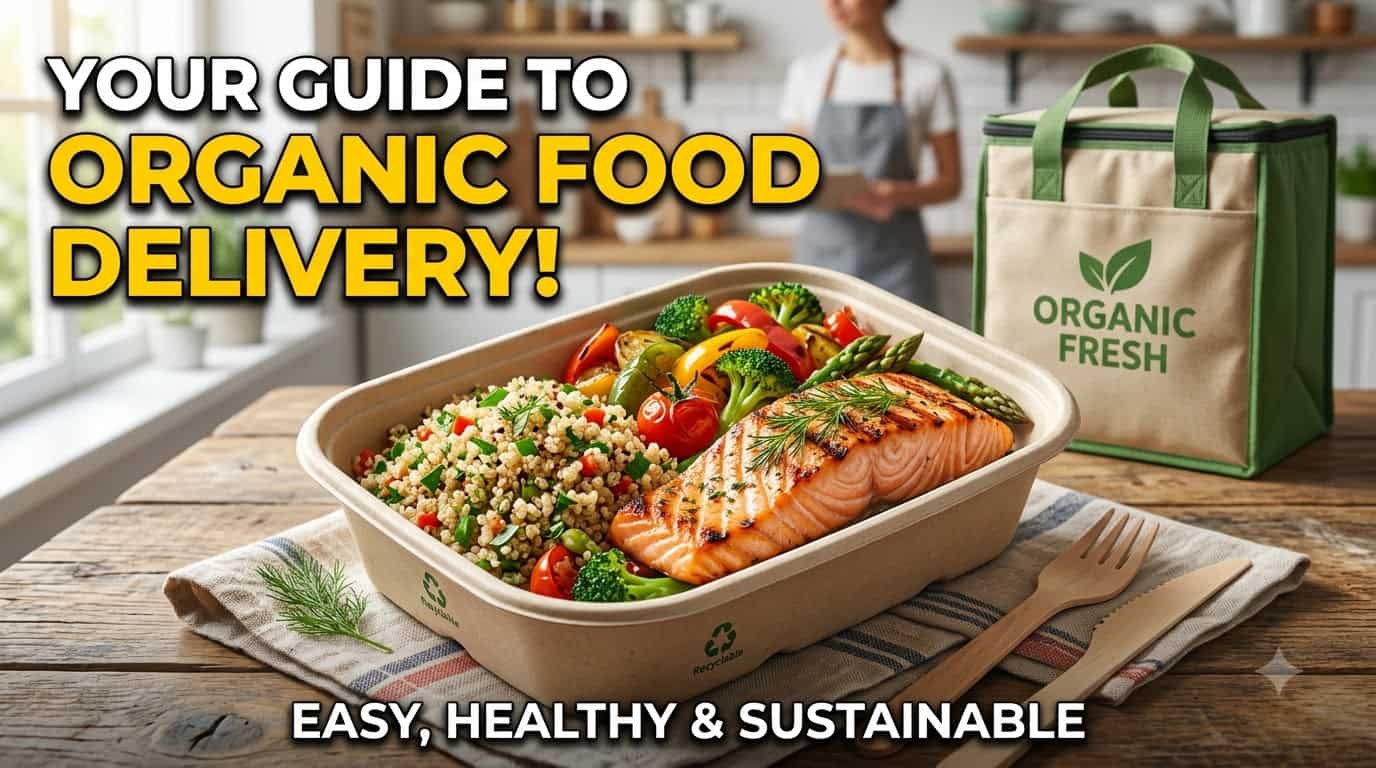
Busy schedules can make healthy eating difficult. After a long day at work, preparing vegetables, cooking grains, making a protein-rich dish, and cleaning the kitchen may feel like too much effort. This is one reason more people are looking for organic cooked food delivery services that bring prepared meals directly to their homes.
Cooked food delivery can save time and reduce the need for daily meal preparation. When organic ingredients are used, customers may also be interested in where the food comes from, how it is prepared, and what the organic label actually means.
However, choosing organic cooked meals is not simply about finding a service that uses the word “organic.” A healthy meal still depends on its ingredients, preparation method, portion size, and overall nutritional balance.
This guide explains how organic cooked food delivery works, what to look for before ordering, how to evaluate meal quality, possible advantages and limitations, and practical ways to make delivered meals part of a balanced eating routine.
Insulin Resistance and Weight Loss – Diet, Exercise and Tips
What Is Organic Cooked Food Delivery?
Organic cooked food delivery is a service that prepares meals in advance and delivers them to customers.
Unlike meal kits, which usually provide uncooked ingredients and recipes, cooked food delivery generally sends meals that are ready to eat or only need reheating.
The term organic cooked food can refer to meals prepared using certified organic ingredients, although the exact organic claims can vary between products and services.
Depending on the provider, a delivery menu might include:
- Vegetable dishes
- Grain bowls
- Soups
- Lentil meals
- Bean-based dishes
- Salads
- Rice-based meals
- Plant-based meals
- Chicken or fish dishes
- Breakfast foods
- Snacks
Some services focus on a particular dietary style, while others provide a wider menu.
Before ordering, it is important to check exactly what the company means by “organic.”
Best Natural Energy Drinks for Energy and Hydration
What Does Organic Mean?
Organic is not simply another word for healthy.
In the United States, products making organic claims are subject to USDA organic standards and certification requirements. Different organic labeling categories have different requirements.
For consumers, this means it is useful to look beyond a marketing statement and check the actual certification or labeling information when organic sourcing is important to you.
Organic standards relate to how agricultural products are produced and handled. They do not automatically mean that a prepared meal is low in calories, low in sodium, high in protein, or suitable for weight loss.
An organic dessert can still be a dessert.
An organic prepared meal can still be high in sodium depending on its ingredients and recipe.
The organic label and the nutritional quality of a meal are two different considerations.
Best Dietician for Weight Loss | Simple Guide
How Organic Cooked Food Delivery Works
The process varies from company to company, but many services follow a basic pattern.
Step 1: Choose Your Meals
Customers select meals from an available menu.
Some services allow individual meal selection, while others provide weekly meal plans.
Step 2: Meals Are Prepared
The company prepares the meals in a commercial kitchen or another food-preparation facility.
Ingredients may be prepared in batches so meals can be packaged efficiently.
Step 3: Meals Are Packaged
The cooked meals are placed into containers designed for storage and transportation.
Depending on the service, meals may be refrigerated or frozen.
Step 4: Meals Are Delivered
The order is transported to your home.
Because cooked food is perishable, follow the company’s instructions for receiving, refrigerating, freezing, reheating, and consuming the meals.
Benefits of Organic Cooked Food Delivery
There are several practical reasons people choose prepared meal delivery.
Saves Time
Time is one of the biggest advantages.
Instead of planning dinner, shopping for ingredients, preparing food, cooking, and cleaning up, you can simply heat a prepared meal.
This can be especially useful on busy weekdays.
Makes Meal Planning Easier
Planning several meals every week can become repetitive.
A prepared meal service can reduce the number of decisions you need to make.
You can select meals in advance and know what you will be eating during the week.
Can Increase Meal Variety
A good menu may introduce foods and recipes that you do not normally prepare at home.
For example, you might try a new lentil dish, vegetable grain bowl, soup, or plant-based recipe.
Convenient for Busy Households
Families and individuals with demanding schedules may find prepared meals convenient.
However, family members may have different food preferences, so choosing a flexible service can be helpful.
Weight Loss Clinic – Simple Guide for Everyone
Organic Does Not Automatically Mean Healthy
This is one of the most important things to understand.
The word “organic” describes production and labeling standards. It does not guarantee that a meal has the ideal nutritional balance for you.
For example, a meal can be made with organic ingredients and still contain:
- Added sugar
- High sodium
- Large portions
- Refined carbohydrates
- High amounts of saturated fat
That does not make the meal automatically unhealthy. It simply means that organic certification should not be the only factor you consider.
Look at the complete meal.
What to Look for in an Organic Cooked Meal
A balanced meal does not need to be complicated.
Vegetables
Look for meals that contain a variety of vegetables.
Vegetables can provide fiber, vitamins, minerals, and other nutrients.
Different colors can also help increase food variety.
Protein
Protein can come from many sources.
Depending on your diet, options include:
- Beans
- Lentils
- Chickpeas
- Tofu
- Tempeh
- Eggs
- Chicken
- Fish
- Yogurt
- Other suitable protein-rich foods
If a meal contains very little protein, it may not keep you satisfied for as long as a more balanced meal.
Whole or Minimally Processed Carbohydrates
Rice, potatoes, oats, whole grains, beans, and other carbohydrate-containing foods can be part of a healthy diet.
You do not necessarily need to avoid carbohydrates.
Instead, consider the type, portion, and overall meal.
Healthy Sources of Fat
Nuts, seeds, avocado, and suitable cooking oils can provide dietary fat.
Fat is an important part of nutrition, but portion size still matters because fats are energy-dense.
Weight Loss Programs – Simple Guide for Everyone
How to Read a Meal Label
Before ordering, look for nutrition information when it is available.
Pay attention to:
- Serving size
- Calories
- Protein
- Fiber
- Total fat
- Saturated fat
- Carbohydrates
- Added sugars
- Sodium
You do not need to obsess over every number.
The purpose is to compare meals and understand what you are ordering.
If you have a medical condition requiring specific dietary restrictions, nutrition labels can be particularly useful.
Organic Cooked Food Delivery and Weight Management
Some people choose prepared meals because they want to manage their weight.
Meal delivery can make portion planning easier, but it does not guarantee weight loss.
Your overall food intake, activity, sleep, appetite, and individual health circumstances all matter.
A meal containing organic ingredients can still provide more energy than you need, while another meal may not be filling enough.
Build Satisfying Meals
If your goal is healthy weight management, look for meals containing a combination of:
- Vegetables
- Protein
- Fiber-rich carbohydrates
- Appropriate amounts of healthy fat
For example, a lentil and vegetable bowl with a moderate serving of whole grains can provide a different nutritional profile from a meal made mainly from refined grains.
For more information about healthy eating and weight management, you can explore related resources on Helping99.com.
How to Sponsor a Child Through Food for the Hungry
Organic Food Delivery for Different Diets
One advantage of modern meal delivery is the variety of dietary preferences available.
Vegetarian
Vegetarian meal plans can include vegetables, legumes, grains, dairy products, eggs, or other foods depending on the individual’s diet.
Vegan
Vegan meals avoid animal-derived ingredients.
Look for meals that include plant-based protein such as beans, lentils, tofu, chickpeas, or tempeh.
Gluten-Free
If you need to avoid gluten, check the complete ingredient and allergen information.
“Gluten-free” and “organic” are separate claims, so organic food is not automatically gluten-free.
High-Protein
Some services offer higher-protein meals.
Look at the actual protein amount rather than relying only on terms such as “high protein.”
Low-Sodium
People who need to limit sodium should carefully compare nutrition labels.
If you have been advised by a healthcare professional to follow a low-sodium diet, choose meals based on that advice rather than simply relying on a “healthy” or “organic” label.
Fresh vs. Frozen Cooked Meals
Prepared meals may be delivered refrigerated or frozen.
Neither option is automatically better for every person.
Refrigerated Meals
Refrigerated meals may be convenient if you plan to eat them within the recommended storage period.
Always follow the provider’s storage instructions.
Frozen Meals
Frozen meals can be useful for longer storage.
They may allow you to keep meals available for days when you do not have time to cook.
The most important factor is following safe storage and reheating instructions.
Food Safety Matters
Cooked food is perishable, so food safety should be taken seriously.
When your delivery arrives:
- Check the packaging.
- Follow the storage instructions.
- Refrigerate or freeze meals as directed.
- Check use-by dates.
- Reheat meals according to the provider’s instructions.
- Avoid keeping perishable food at unsafe temperatures for extended periods.
If packaging arrives damaged, unusually warm, leaking, or otherwise concerning, contact the delivery company and follow appropriate food-safety guidance.
Best Food Supplement for Hair Growth
How Much Does Organic Cooked Food Delivery Cost?
Prices vary depending on the service, meal size, ingredients, delivery location, subscription model, and number of meals ordered.
Organic ingredients can sometimes increase food costs, but the actual price depends on the business and menu.
Before subscribing, calculate the complete cost rather than looking only at the advertised meal price.
Check for:
- Delivery fees
- Taxes
- Minimum order requirements
- Subscription charges
- Cancellation policies
- Extra charges for premium meals
Then compare the total with what you normally spend on groceries or restaurant meals.
How to Save Money
Prepared meal delivery can become expensive if you order more food than you need.
Order Only What You Will Eat
Avoid selecting meals simply because they look interesting.
Choose meals that fit your schedule and preferences.
Combine Delivery With Home Cooking
You can use prepared meals on particularly busy days and cook simple meals at home on other days.
Affordable foods such as beans, lentils, oats, rice, seasonal vegetables, and potatoes can form the basis of many meals.
Compare Cost Per Serving
Calculate the actual cost per meal after delivery fees and other charges.
This makes comparisons easier.
Questions to Ask Before Ordering
Before signing up for an organic cooked food delivery service, consider these questions.
Are the Ingredients Actually Certified Organic?
If organic certification is important to you, find out what the service’s organic claim covers.
Do not assume that every ingredient in every meal is organic simply because the company uses the word “organic” in its marketing.
Are Ingredients Listed Clearly?
A clear ingredient list makes it easier to identify foods you want to avoid.
Is Allergen Information Available?
Check for common allergens such as milk, eggs, soy, wheat, peanuts, tree nuts, fish, and shellfish where relevant.
How Are Meals Stored?
Understand whether meals are refrigerated or frozen and how long they can be safely stored.
Can You Skip or Cancel Orders?
Flexible subscription options can be useful if your schedule changes.
Can You Choose Individual Meals?
Meal choice is important if you have strong food preferences or dietary restrictions.
Calorie Deficit Diet Plan for Fast Weight Loss
Common Mistakes to Avoid
Choosing Based Only on the Organic Label
Organic certification is useful information, but it does not tell you everything about nutrition.
Check the meal itself.
Ignoring Sodium
Prepared foods can contain significant amounts of sodium.
Compare labels rather than assuming organic meals are automatically low in sodium.
Ordering Too Many Meals
It can be tempting to order a large box because the price per meal appears lower.
If you cannot eat the meals before their recommended storage period, the apparent savings may disappear.
Forgetting About Snacks
Some people order healthy meals but continue consuming highly processed snacks and sugary drinks throughout the day.
Look at your entire eating pattern rather than one meal.
Common Myths About Organic Cooked Food
Myth 1: Organic Means Calorie-Free
False.
Organic foods contain calories just like conventional foods.
Myth 2: Organic Meals Automatically Help You Lose Weight
Not necessarily.
Weight management depends on overall energy intake, food quality, physical activity, sleep, and individual factors.
Myth 3: All Organic Food Is More Nutritious
The nutritional value of food depends on many factors. Organic production standards and nutritional composition are not the same thing.
Myth 4: Cooked Delivery Meals Are Always Less Healthy Than Homemade Meals
Not automatically.
A carefully prepared delivered meal can be a practical option. At the same time, cooking at home gives you greater control over ingredients and preparation.
The quality depends on the specific meal.
Tips for Making Delivered Meals More Balanced
You can customize a prepared meal without completely changing it.
For example, if a meal contains vegetables and protein but has a small portion of vegetables, you could add a simple side salad.
If the meal is not filling enough, a suitable piece of fruit, vegetables, beans, or another nutritious food may help.
If a meal is already large, you may not need to add anything.
The goal is to respond to your hunger and nutritional needs rather than automatically adding more food.
Who May Benefit From Organic Cooked Food Delivery?
Prepared organic meals may be useful for people who:
- Have busy work schedules
- Do not enjoy daily cooking
- Want help with meal planning
- Prefer prepared portions
- Want to try different recipes
- Need convenient weekday meals
However, not everyone needs meal delivery.
If you enjoy cooking and have time to prepare meals, buying ingredients and cooking at home may be more affordable and give you greater control.
When to Get Professional Nutrition Advice
If you have a medical condition, food allergy, or special nutritional requirement, a generic meal delivery plan may not meet your needs.
Professional advice can be particularly important if you have diabetes, kidney disease, heart disease, digestive disorders, or another condition requiring dietary management.
A registered dietitian or qualified healthcare professional can help you determine which foods and nutrients are appropriate for your situation.
Conclusion
Organic cooked food delivery can be a convenient way to simplify everyday meals. For people with busy schedules, having prepared food available can reduce cooking time and make weekly meal planning easier.
However, the word “organic” should not be the only reason you choose a meal. Look at the complete nutritional picture, including vegetables, protein, fiber, carbohydrates, fats, sodium, added sugars, portion size, and ingredients.
Also consider practical details such as food safety, storage, delivery, allergies, subscription flexibility, and total cost.
A delivered meal does not have to be perfect to be useful. The goal is to find convenient meals that fit into your overall eating pattern and support your personal needs.
Whether you use prepared meals every day or only on busy evenings, combining convenient delivery with a varied diet and healthy lifestyle can make eating well more manageable.
For people with specific medical or nutritional needs, professional guidance is the safest way to create an appropriate meal plan. Ultimately, the best organic cooked food delivery option is one that is convenient, transparent about its ingredients, nutritionally appropriate for you, and realistic for your budget and routine.
Frequently Asked Questions
What is organic cooked food delivery?
Organic cooked food delivery is a service that prepares meals and delivers them ready to eat or ready to reheat. Depending on the provider, some or all of the ingredients may be certified organic, so it is important to check the company’s specific organic claims.
Is organic cooked food healthier than regular prepared food?
Not necessarily. Organic and conventional foods can both be part of a healthy diet. When choosing prepared meals, consider vegetables, protein, fiber, sodium, added sugar, portion size, ingredients, and your individual nutritional needs.
Can organic cooked meals help with weight loss?
They can make meal planning and portion management more convenient, but they do not guarantee weight loss. Weight management depends on your overall eating pattern, activity, sleep, and individual circumstances.
Are organic prepared meals expensive?
The cost varies by provider, ingredients, portion size, location, and delivery fees. Compare the total cost per serving, including delivery and other charges, before subscribing.
How should I store delivered cooked meals?
Follow the storage instructions provided with your order. Some meals need refrigeration, while others may be frozen. Pay attention to use-by dates and recommended storage temperatures.
Are organic cooked meals suitable for people with diabetes?
Some may fit into a diabetes-friendly eating pattern, but there is no universal meal plan that works for everyone with diabetes. Check carbohydrate, fiber, added sugar, and portion information, and follow the advice of your healthcare professional.
Can I get vegan or vegetarian organic cooked meals?
Many meal services offer dietary options such as vegetarian or vegan meals. Check the ingredient list and preparation information to make sure the meal meets your specific requirements.
What should I look for when choosing organic cooked food delivery?
Look at ingredient quality, organic certification or labeling information, nutrition facts, allergens, portion sizes, meal variety, storage instructions, delivery practices, flexibility, and the total cost. Choose a service that fits both your dietary needs and lifestyle.
Best Free Artificial Intelligence Tools | 100% Free Tools