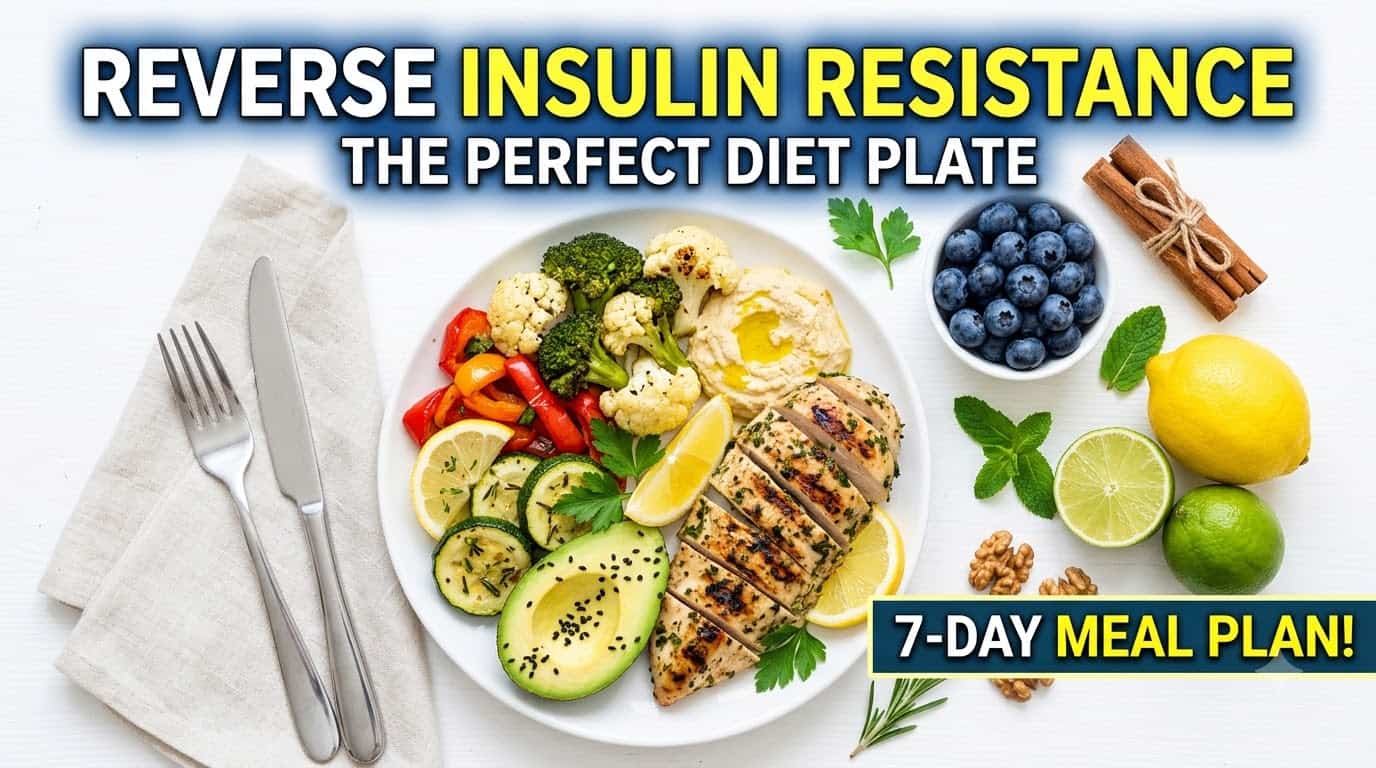
Finding the best diet for insulin resistance can feel confusing. There are many diet plans online, and some promise that removing one particular food or following a strict eating schedule will solve the problem.
In reality, there is no single diet that works exactly the same way for everyone with insulin resistance.
A more useful approach is to build an eating pattern that emphasizes nutritious foods, appropriate portions, plenty of fiber, adequate protein, and fewer highly processed foods and sugary drinks. Regular physical activity, sleep, stress management, and other lifestyle factors can also play an important role.
Insulin resistance is a condition in which the body’s cells do not respond to insulin as effectively as they should. The pancreas may produce more insulin to help keep blood glucose within a normal range. Over time, some people can develop prediabetes or type 2 diabetes.
The good news is that everyday food choices can be an important part of managing blood glucose and supporting overall health.
This guide explains what to eat, what to limit, how to build balanced meals, and how to create a practical diet for insulin resistance without relying on extreme restrictions.
What Is Insulin Resistance?
Insulin is a hormone that helps glucose move from the bloodstream into cells, where it can be used for energy.
With insulin resistance, the body’s cells respond less effectively to insulin. The body may compensate by producing more insulin.
Insulin resistance can be associated with several factors, including excess body fat, low physical activity, genetics, sleep problems, and other health conditions. It is not simply the result of eating one particular food.
It is also possible to have insulin resistance without obvious symptoms.
If you have been told that you have insulin resistance, prediabetes, or high blood glucose, work with a healthcare professional to understand your individual situation.
Best Weight Reduce Drink – Complete Guide
What Is the Best Diet for Insulin Resistance?
There is no universally perfect diet.
However, a healthy eating pattern for insulin resistance generally emphasizes:
- Non-starchy vegetables
- High-fiber foods
- Beans and lentils
- Whole grains in appropriate portions
- Nuts and seeds
- Lean proteins
- Fish and other nutritious protein sources
- Whole fruits
- Healthy sources of unsaturated fat
- Minimally processed foods
- Water and unsweetened beverages
At the same time, it can be helpful to reduce frequent consumption of foods and drinks that are high in added sugars and refined carbohydrates.
The goal is not to eliminate all carbohydrates.
Instead, focus on carbohydrate quality, portion size, and what you eat alongside carbohydrates.
Why Carbohydrate Quality Matters
Carbohydrates are an important source of energy. They are found in fruits, vegetables, grains, beans, dairy products, and many processed foods.
When you eat carbohydrates, your body breaks many of them down into glucose.
Different carbohydrate-containing foods can have very different nutritional profiles.
For example, a bowl of beans contains carbohydrates but also provides protein and fiber. A sugary soft drink provides carbohydrate primarily as added sugar and offers little nutritional value.
This is why simply saying “avoid carbohydrates” is not a complete approach.
Better carbohydrate choices
Depending on your individual needs, useful options can include:
- Oats
- Barley
- Brown rice
- Quinoa
- Whole-grain bread
- Beans
- Lentils
- Chickpeas
- Sweet potatoes
- Whole fruits
Portions still matter.
Even nutritious carbohydrate foods can contribute a significant amount of carbohydrate when eaten in very large quantities.
Best Nutrition Advice for Weight Management
Foods to Eat More Often
A good diet for insulin resistance does not have to be complicated.
Start with foods that provide fiber, protein, vitamins, minerals, and other useful nutrients.
Non-starchy vegetables
Vegetables can form a large part of many balanced meals.
Examples include:
- Spinach
- Broccoli
- Cauliflower
- Cabbage
- Cucumber
- Tomatoes
- Bell peppers
- Mushrooms
- Green beans
- Eggplant
- Okra
- Leafy greens
You can eat vegetables raw, steamed, roasted, grilled, or cooked with a moderate amount of healthy oil.
Try using different colors and varieties throughout the week.
Beans and lentils
Beans and lentils are useful because they provide both carbohydrates and plant protein, along with dietary fiber.
Good options include:
- Chickpeas
- Black beans
- Kidney beans
- Green lentils
- Brown lentils
- Moong dal
- Masoor dal
They can be added to soups, salads, curries, vegetable bowls, and other meals.
Whole fruits
People with insulin resistance do not necessarily need to avoid fruit.
Whole fruit contains naturally occurring sugars along with fiber, water, vitamins, minerals, and other nutrients.
Examples include:
- Apples
- Pears
- Oranges
- Berries
- Guava
- Kiwi
- Peaches
- Plums
Eating whole fruit is generally different from drinking fruit juice.
Juice can be easier to consume quickly and may provide less fiber than the whole fruit.
Protein-rich foods
Including protein in meals can help make meals more satisfying.
Depending on your dietary preferences, options include:
- Eggs
- Fish
- Chicken
- Greek yogurt
- Plain yogurt
- Tofu
- Tempeh
- Lentils
- Beans
- Cottage cheese
- Nuts and seeds
People with specific kidney or other medical conditions may have different protein needs, so individualized advice is important.
Healthy fats
Healthy fats can be part of a balanced eating pattern.
Examples include:
- Avocado
- Walnuts
- Almonds
- Peanuts
- Chia seeds
- Flaxseeds
- Olive oil
Portion size matters because fats are calorie-dense.
A handful of nuts can be nutritious, but eating large amounts can add substantial calories.
Best Dietician for Weight Loss | Simple Guide
Foods to Limit
You do not necessarily have to completely eliminate a food unless your healthcare professional has given you a specific restriction.
Instead, focus on reducing foods that provide a lot of added sugar or refined carbohydrates with relatively little nutritional value.
Sugary drinks
Examples include:
- Regular soda
- Sweetened tea
- Sugary coffee drinks
- Energy drinks with added sugar
- Sweetened fruit beverages
Liquid calories can be easy to consume without feeling as full as you might after eating whole foods.
Water, unsweetened tea, or other low-sugar choices can be useful alternatives.
Refined grains
Foods made mainly from refined flour can be included occasionally, but making them the foundation of every meal may make it harder to build a high-fiber diet.
Examples include:
- White bread
- Many refined-flour baked goods
- Some highly refined breakfast cereals
- Large portions of refined pasta
When practical, choose higher-fiber alternatives.
Sweets and desserts
Cookies, cakes, candy, pastries, and other sweets can contain significant amounts of added sugar and refined carbohydrates.
You do not necessarily have to consider them “forbidden.”
Instead, keep them occasional and pay attention to portions.
Highly processed snack foods
Chips, sweetened snacks, and other heavily processed foods may be easy to overeat.
Replacing some of these foods with nuts, seeds, vegetables, plain yogurt, or whole fruit can improve the overall quality of your diet.
Weight Loss Clinic – Simple Guide for Everyone
The Importance of Fiber
Fiber is an important part of a healthy diet.
High-fiber foods can include:
- Vegetables
- Fruits
- Beans
- Lentils
- Whole grains
- Nuts
- Seeds
Fiber can support digestive health and may help you feel satisfied after meals.
Instead of trying to get fiber from one particular “superfood,” include different fiber-rich foods throughout the day.
If you are increasing your fiber intake substantially, do it gradually and drink enough fluids.
A Simple Meal Formula
One of the easiest ways to build meals is to stop thinking about individual “good” and “bad” foods and instead think about combinations.
A simple plate might contain:
A large portion of non-starchy vegetables + a protein source + a moderate portion of a high-fiber carbohydrate + a small amount of healthy fat.
For example:
Lunch: Grilled chicken, mixed vegetables, a small serving of brown rice, and a little olive oil-based dressing.
Vegetarian lunch: Lentil curry, mixed vegetables, and a moderate serving of brown rice.
Breakfast: Plain Greek yogurt, berries, chia seeds, and a small portion of oats.
Dinner: Baked fish, roasted vegetables, and a small sweet potato.
These are examples rather than personalized meal prescriptions.
Best Breakfast Ideas for Insulin Resistance
Breakfast does not have to be low-carbohydrate to be nutritious.
The key is to build a balanced meal.
Oatmeal with protein
Try oats with:
- Plain Greek yogurt
- Chia seeds
- Cinnamon
- Nuts
- Whole berries
Vegetable omelet
Eggs with spinach, mushrooms, tomatoes, and other vegetables can provide protein and vegetables.
A small serving of whole-grain toast can be added if it fits your dietary needs.
Plain yogurt bowl
Use plain unsweetened yogurt with:
- Berries
- Chia seeds
- Walnuts
- A small amount of oats
Avoid relying heavily on flavored yogurts that contain substantial added sugar.
Weight Loss Programs – Simple Guide for Everyone
Lunch Ideas
Lunch can be simple and filling.
Chicken and vegetable bowl
Combine:
- Grilled chicken
- Leafy greens
- Cucumber
- Tomato
- Broccoli
- A moderate portion of brown rice
- A small amount of healthy dressing
Lentil bowl
Combine cooked lentils with:
- Roasted vegetables
- Leafy greens
- Cucumber
- Tomatoes
- A small portion of whole grains
Chickpea salad
Mix chickpeas with vegetables, herbs, lemon juice, and a modest amount of olive oil.
Add a protein source if the meal needs more protein for your individual needs.
Dinner Ideas
Dinner can follow the same basic structure.
Fish and vegetables
Try baked or grilled fish with:
- Broccoli
- Green beans
- A small sweet potato
Tofu vegetable stir-fry
Use tofu with:
- Broccoli
- Bell peppers
- Mushrooms
- Cabbage
Serve with a moderate portion of brown rice or another whole grain.
Dal and vegetables
A bowl of dal with plenty of vegetables can be a practical meal.
If eating rice or roti, pay attention to portion size and consider choosing higher-fiber options when appropriate.
Snacks for Insulin Resistance
Not everyone needs snacks between meals.
If you are hungry between meals, choose foods that fit your overall diet.
Examples include:
- A small handful of nuts
- Plain yogurt
- Whole fruit
- Carrot or cucumber slices with hummus
- A boiled egg
- A small serving of roasted chickpeas
A snack should complement your eating pattern rather than become another large meal.
Calorie Deficit Diet Plan for Fast Weight Loss
Can You Eat Rice With Insulin Resistance?
Rice does not automatically have to be removed from your diet.
Rice is a carbohydrate-containing food, and the amount you eat can matter.
Instead of filling most of the plate with rice, consider pairing a moderate portion with:
- Vegetables
- Beans or lentils
- Fish
- Chicken
- Tofu
- Other protein sources
The type of rice, preparation method, portion size, and the rest of the meal all matter.
If rice is a regular part of your traditional diet, completely eliminating it may not be necessary or realistic.
A sustainable eating pattern is often easier to follow than an extremely restrictive one.
Can You Eat Fruit With Insulin Resistance?
Whole fruit can fit into a healthy eating pattern for many people with insulin resistance.
The important distinction is between whole fruit and fruit-based drinks.
Whole fruit provides fiber and requires chewing, while juice can be consumed much more quickly.
Rather than avoiding fruit completely, consider eating reasonable portions of whole fruit and including it as part of an overall balanced diet.
If you have diabetes or are monitoring blood glucose closely, your healthcare professional or registered dietitian can help you understand appropriate portions for your situation.
Is a Low-Carb Diet the Best Diet for Insulin Resistance?
A lower-carbohydrate diet may help some people improve blood glucose control or manage their weight, but it is not automatically the best choice for everyone.
Some people prefer a moderate-carbohydrate eating pattern based on vegetables, legumes, whole grains, and whole fruit.
Others may benefit from reducing carbohydrate intake more substantially under professional guidance.
The most suitable approach depends on your health, medications, food preferences, lifestyle, and ability to maintain the diet.
The important thing is to avoid assuming that one diet works for everyone.
Lifestyle Habits That Matter
Food is only one part of insulin resistance management.
Physical activity
Regular physical activity can help the body use glucose more effectively.
Walking, strength training, cycling, swimming, and other activities can all be useful depending on your fitness level and health.
If you have not exercised for a long time or have a medical condition, discuss an appropriate activity plan with your healthcare professional.
Sleep
Poor sleep can affect appetite, energy, and overall metabolic health.
Aim for a consistent sleep routine and talk to a healthcare professional if you regularly have difficulty sleeping.
Stress management
Long-term stress can affect eating habits, sleep, activity, and other aspects of health.
Simple strategies such as walking, breathing exercises, hobbies, social connection, and relaxation activities may help.
Common Myths About Insulin Resistance
Myth 1: You must completely stop eating carbohydrates
Not necessarily.
Many nutritious foods contain carbohydrates, including fruits, beans, lentils, vegetables, and whole grains.
The focus should be on quality, portions, and the overall meal.
Myth 2: Fruit causes insulin resistance
Whole fruit can be part of a healthy eating pattern.
The situation is different from regularly drinking sugar-sweetened beverages or large amounts of fruit juice.
Myth 3: You can fix insulin resistance with one food
There is no single food that can solve insulin resistance.
A long-term eating pattern and lifestyle habits are much more important than one “miracle” ingredient.
Myth 4: You need expensive supplements
Supplements are not a replacement for a balanced diet and appropriate medical care.
If you are considering a supplement, discuss it with a qualified healthcare professional, particularly if you take medications.
Myth 5: Losing weight is the only way to improve insulin resistance
Weight can be an important factor for some people, but insulin resistance is influenced by multiple factors.
Improving food quality, physical activity, sleep, and other lifestyle habits can also be important.
A Simple 7-Day Meal Example
The following is an example of how meals can be organized. It is not a personalized medical diet.
Day 1:
Breakfast: Vegetable omelet and whole-grain toast
Lunch: Lentil and vegetable bowl
Dinner: Grilled fish, broccoli, and sweet potato
Snack: Apple with a small serving of nuts
Day 2:
Breakfast: Plain yogurt, berries, chia seeds, and oats
Lunch: Chicken salad with vegetables
Dinner: Tofu stir-fry with vegetables and brown rice
Snack: Cucumber with hummus
Day 3:
Breakfast: Oatmeal with walnuts and berries
Lunch: Chickpea salad with vegetables
Dinner: Chicken with roasted vegetables and a small portion of quinoa
Snack: Plain yogurt
Day 4:
Breakfast: Eggs with spinach and tomatoes
Lunch: Dal with vegetables and a moderate serving of brown rice
Dinner: Baked fish with green beans and sweet potato
Snack: Whole fruit
Day 5:
Breakfast: Plain yogurt with seeds and fruit
Lunch: Tofu and vegetable bowl
Dinner: Lentil soup with salad and whole-grain bread
Snack: A small handful of nuts
Day 6:
Breakfast: Vegetable omelet
Lunch: Chicken and vegetable bowl
Dinner: Bean and vegetable curry with a moderate portion of brown rice
Snack: Carrots with hummus
Day 7:
Breakfast: Oats with chia seeds and berries
Lunch: Grilled fish salad
Dinner: Tofu, roasted vegetables, and quinoa
Snack: Whole fruit and a few nuts
You can adjust these ideas based on your culture, food preferences, budget, allergies, and nutritional needs.
How to Make the Diet Easier to Follow
The best diet is one you can maintain.
Instead of changing everything overnight, make a few practical changes.
Start by replacing sugary drinks with water or unsweetened beverages.
Add vegetables to lunch and dinner.
Include a protein source with meals.
Choose whole fruit instead of juice more often.
Keep nuts, seeds, vegetables, and other nutritious foods available at home.
Plan meals before you become extremely hungry.
If you enjoy rice, bread, or other carbohydrate foods, focus on reasonable portions rather than automatically removing them.
Small changes that become regular habits can be more practical than a highly restrictive diet that lasts only a few weeks.
When to Speak With a Healthcare Professional
Insulin resistance can be related to prediabetes, type 2 diabetes, and other health concerns.
You should not rely on an online diet plan to manage a medical condition on your own.
Speak with a doctor or registered dietitian if you have been diagnosed with insulin resistance, prediabetes, or diabetes, particularly if you take blood-glucose-lowering medication.
Professional guidance is also important if you are pregnant, have kidney disease, have a history of disordered eating, or have another condition that affects your nutritional needs.
Conclusion
The best diet for insulin resistance is not necessarily the most restrictive diet.
A practical approach is to build meals around vegetables, protein, fiber-rich foods, whole fruits, nutritious fats, and appropriate portions of carbohydrate-containing foods. Sugary drinks, highly processed foods, and foods high in added sugars can be limited rather than making every food feel forbidden.
You can still enjoy familiar foods such as rice, fruit, beans, lentils, and whole grains. The goal is to understand portions and build balanced meals around them.
Food is only one part of the picture. Regular physical activity, adequate sleep, stress management, and appropriate medical care can also matter.
Most importantly, an eating pattern should fit your individual health needs and your everyday life. If you have insulin resistance, prediabetes, or diabetes, use this information as general education and work with a qualified healthcare professional for personalized advice.
Frequently Asked Questions
What is the best diet for insulin resistance?
There is no single best diet for everyone. A balanced eating pattern that emphasizes vegetables, fiber-rich foods, protein, whole foods, healthy fats, and appropriate portions of carbohydrates can be a practical approach for many people.
Can I eat rice if I have insulin resistance?
Rice can fit into many eating patterns. Pay attention to portion size and pair rice with vegetables, protein, and other nutritious foods. Your individual carbohydrate needs may depend on your health and treatment plan.
Should I avoid fruit with insulin resistance?
Whole fruit can generally be included in a balanced diet. Whole fruit is different from juice because it contains fiber and is eaten more slowly. Individual needs can vary, particularly for people with diabetes.
Are carbohydrates bad for insulin resistance?
Not all carbohydrates are the same. Beans, lentils, vegetables, whole grains, and whole fruits provide useful nutrients and fiber. Limiting highly processed foods and added sugars may be more practical than eliminating all carbohydrates.
Can a low-carb diet help insulin resistance?
A lower-carbohydrate eating pattern may help some people, but it is not necessarily the best approach for everyone. Your diet should fit your health needs, medications, food preferences, and ability to maintain it.
What foods should I avoid with insulin resistance?
There is no universal list of foods that every person must completely avoid. It is generally useful to limit frequent consumption of sugary drinks, foods high in added sugar, and highly refined or heavily processed foods while emphasizing nutritious whole foods.
Can insulin resistance be reversed with diet?
Insulin resistance can change over time, but the appropriate approach depends on the individual. Diet, physical activity, weight changes when appropriate, sleep, medications, genetics, and other factors can all play a role. Discuss your situation with a healthcare professional.
Is exercise important for insulin resistance?
Yes. Regular physical activity can be an important part of managing blood glucose and metabolic health. The type and amount of exercise should be appropriate for your fitness level and health status.
Best Free Artificial Intelligence Tools | 100% Free Tools